Many patients wonder, will antibiotics cause hair loss, and if so, why. Understanding the relationship between medication and hair health is essential because hair loss can affect confidence and overall well‑being. While antibiotics are prescribed to fight bacterial infections, they can sometimes interfere with the hair growth cycle, leading to thinning or shedding. Studies suggest that up to 10 % of individuals on certain antibiotic regimens notice some degree of hair shedding, especially when treatment extends beyond a few weeks.
In this article we will explore how antibiotics work, which specific drugs have been linked to hair loss, the biological mechanisms behind drug‑induced alopecia, and practical steps you can take if you notice changes in your hair while on therapy. By the end, you will have a clearer picture of whether will antibiotics cause hair loss is a realistic concern for you and how to manage it responsibly.
Hair loss is not only a cosmetic issue; it can signal an underlying reaction to medication that may require a change in prescription or additional supportive care. Let’s dive into the science and the practical guidance that can help you protect both your health and your hair.
How Antibiotics Work and Their Impact on Hair Follicles
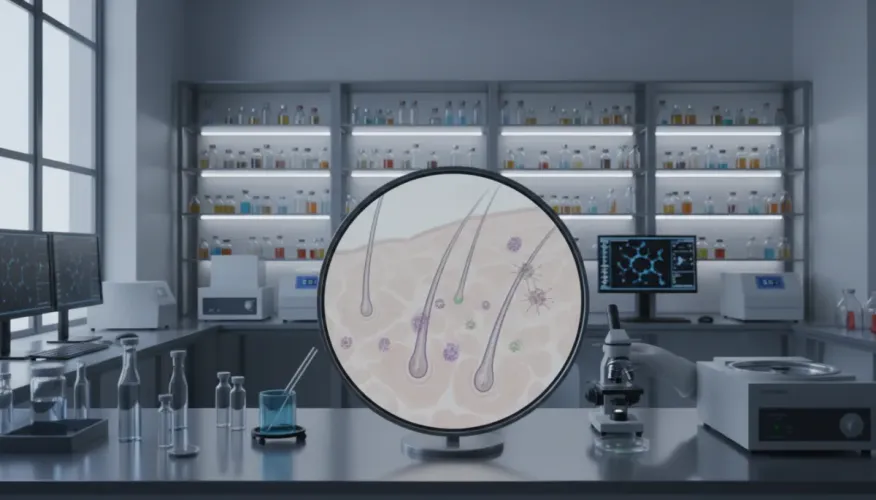
Antibiotics are designed to target bacterial cells, either by killing them outright or by inhibiting their growth. While this primary action is beneficial for treating infections, the systemic nature of many antibiotics means they circulate throughout the body, reaching skin and scalp tissues. The impact on hair follicles can be indirect, often involving inflammatory pathways, hormonal balance, or nutrient absorption.
Some antibiotics, especially those belonging to the tetracycline, macrolide, and fluoroquinolone families, have been reported in case studies to coincide with episodes of hair shedding. The reasons include:
- Altered immune response that may trigger follicular inflammation.
- Disruption of zinc and other trace minerals essential for keratin production.
- Interaction with hormonal pathways that regulate the hair growth cycle.
When evaluating will antibiotics cause hair loss, it is important to consider dosage, duration, and individual susceptibility. Patients with pre‑existing scalp conditions or nutritional deficiencies may be more prone to experiencing hair loss drugs side effects.
Common Antibiotics Associated with Hair Loss
While not every antibiotic leads to hair shedding, several have been highlighted in medical literature as potential culprits. The table below summarizes the most frequently cited agents, their typical uses, and the reported incidence of hair loss.
| Antibiotic | Typical Use | Reported Hair Loss Incidence |
|---|---|---|
| Tetracycline | Acne, respiratory infections | Low (1‑3 % of users) |
| Minocycline | Severe acne, rheumatoid arthritis | Moderate (5‑7 %) |
| Azithromycin | Upper respiratory infections | Rare (<1 %) |
| Levofloxacin | Urinary tract infections | Low‑moderate (2‑4 %) |
| Doxycycline | Lyme disease, malaria prophylaxis | Low (1‑2 %) |
These figures illustrate that the risk varies widely among different drug classes. The question “will antibiotics cause hair loss” is most relevant for patients taking long‑term courses of minocycline or other agents with a higher reported incidence. If you are prescribed one of these medications, monitoring your scalp health can help you catch early signs of hair thinning.
It is also worth noting that many of these antibiotics are part of broader categories of medications that cause hair loss, alongside other drug classes such as certain antihypertensives and antidepressants. Understanding the full landscape of hair loss drugs helps you discuss potential alternatives with your healthcare provider.
Mechanisms Behind Drug‑Induced Alopecia
Hair follicles are highly sensitive to changes in the internal environment. When antibiotics interfere with normal physiological processes, several mechanisms can lead to alopecia:
- Inflammatory response: Some antibiotics provoke an immune reaction that can inflame the scalp, shortening the anagen (growth) phase.
- Nutrient depletion: Tetracyclines can chelate zinc and calcium, minerals essential for keratin synthesis, resulting in weaker hair shafts.
- Hormonal disruption: Certain antibiotics affect the metabolism of androgens, which can exacerbate androgen‑dependent hair loss patterns.
- Direct follicular toxicity: Fluoroquinolones have been observed to cause oxidative stress within follicular cells, leading to premature catagen entry.
These pathways are also shared by many hair loss meds and explain why the phenomenon is not limited to a single drug but rather a class effect. For patients concerned about will antibiotics cause hair loss, recognizing these mechanisms can guide conversations about dosage adjustments or supplemental therapies.
Research continues to explore protective strategies, such as co‑administration of antioxidant supplements or topical agents that mitigate inflammatory damage. While evidence is still emerging, clinicians often recommend a balanced approach that addresses infection control without compromising hair health.
Managing Hair Loss While Taking Antibiotics
If you are currently on an antibiotic regimen and notice increased shedding, there are several proactive steps you can take to minimize the impact. Addressing the question “will antibiotics cause hair loss” often involves both medical and lifestyle adjustments:
- Nutrition: Ensure adequate intake of protein, iron, zinc, and biotin—nutrients critical for hair growth.
- Gentle hair care: Use mild shampoos, avoid heat styling, and limit tight hairstyles that stress follicles.
- Topical treatments: Minoxidil or natural extracts (e.g., rosemary oil) can support the anagen phase during systemic treatment.
- Supplementation: Discuss with your doctor the possibility of adding zinc or iron supplements if labs indicate a deficiency.
- Medication review: Ask your prescriber whether a shorter course, lower dose, or alternative antibiotic could achieve the same therapeutic goal with less risk of hair loss.
These strategies are part of a broader approach to handling medications that cause hair loss. In many cases, hair shedding is temporary and resolves after the antibiotic is discontinued. However, persistent thinning warrants further evaluation.
For patients particularly worried about will antibiotics cause hair loss and its cosmetic implications, early intervention with a dermatologist or a hair restoration specialist can prevent long‑term damage and preserve confidence.
When to Seek Professional Help for Medication‑Related Hair Loss
Not all hair shedding requires immediate medical attention, but certain signs indicate that professional evaluation is advisable. If you experience any of the following, you should schedule a consultation:
- Sudden loss of more than 100 hairs per day for several consecutive days.
- Visible thinning across the scalp, especially in areas not typical for your family pattern.
- Accompanying symptoms such as scalp itching, redness, or pain.
- Hair loss that persists beyond four weeks after completing the antibiotic course.
- Concurrent use of other hair loss drugs (e.g., certain antihypertensives) that may compound the effect.
During the appointment, clinicians will assess your medication history, conduct blood tests to rule out nutritional deficiencies, and may perform a scalp biopsy if needed. Early detection is crucial because some forms of drug‑induced alopecia can become permanent if the underlying cause is not addressed promptly.
Remember that the phrase “will antibiotics cause hair loss” is a legitimate concern, and medical professionals are equipped to differentiate temporary shedding from more serious conditions. By seeking timely care, you increase the likelihood of a full hair regrowth and maintain overall health.
Why Choose Gold City Medical Center
Gold City Medical Center combines integrative medicine with cutting‑edge aesthetic expertise. Our multidisciplinary team offers comprehensive evaluations for medication‑related hair concerns, ensuring that you receive personalized treatment plans that address both the underlying infection and the health of your hair. With state‑of‑the‑art facilities and a commitment to patient‑centered care, we provide safe, effective solutions for those seeking medical, cosmetic, and hair‑restoration services.
Concerned about hair loss while taking antibiotics? Contact Gold City Medical Center today to schedule a personalized consultation. Our specialists will evaluate your medication regimen, recommend protective strategies, and guide you toward healthy hair restoration.
FAQ
Can antibiotics cause hair loss?
Yes, certain antibiotics can trigger hair shedding, especially with prolonged use or in susceptible individuals.
Which antibiotics are most commonly linked to hair loss?
Tetracycline, minocycline, azithromycin, levofloxacin, and doxycycline have the highest reported incidences of hair shedding.
What mechanisms cause antibiotic‑induced hair loss?
Inflammatory responses, nutrient depletion, hormonal disruption, and direct follicular toxicity are the main mechanisms.
How can I prevent hair loss while taking antibiotics?
Maintain proper nutrition, use gentle hair care, consider supplements, and discuss dosage or alternatives with your doctor.
When should I seek professional help for medication‑related hair loss?
Seek medical evaluation if shedding persists beyond a few weeks, if thinning becomes noticeable, or if you develop scalp irritation.

