Feeling uneasy before a meeting, a medical appointment, or a social event is common, and how to alleviate nervousness is a question many people ask. Understanding the roots of nervousness, learning quick‑relief techniques, and adopting long‑term habits can dramatically improve daily comfort and confidence. In the Netherlands, nearly 1 in 5 adults reports frequent nervousness that interferes with work or personal life, highlighting the need for practical solutions.
This article explores the physiological and psychological factors that trigger nervousness, offers evidence‑based relaxation methods, and outlines lifestyle adjustments that support lasting calm. Whether you are dealing with mild jitters or more intense anxiety symptoms, the strategies below are designed to fit into a busy schedule while respecting your health goals.
By the end of the guide, you will have a toolbox of techniques to reduce stress, manage anxiety, and create a more relaxed mindset—empowering you to face everyday challenges with poise.
Understanding Nervousness and Its Causes
Nervousness often stems from the body’s natural fight‑or‑flight response, which releases adrenaline and cortisol to prepare you for perceived threats. While this reaction can be useful in short bursts, chronic activation can lead to persistent anxiety, muscle tension, and even digestive upset.
Common triggers include:
- High‑pressure situations such as interviews, exams, or medical consultations.
- Uncertainty about outcomes, which fuels worry and rumination.
- Excessive caffeine or sugar intake that heightens physiological arousal.
- Lack of sleep, which impairs emotional regulation.
- Underlying health conditions, such as thyroid imbalances or chronic pain.
Recognizing these factors helps you target the root causes rather than merely treating the symptoms. For many, the line between normal nervousness and an anxiety disorder is blurred; understanding anxiety symptoms—such as persistent worry, restlessness, and difficulty concentrating—can guide you toward appropriate care.
Research shows that simple stress‑management practices, combined with professional guidance when needed, can lower cortisol levels by up to 30 % within weeks. This underscores the importance of a balanced approach that mixes self‑help techniques with medical insight.
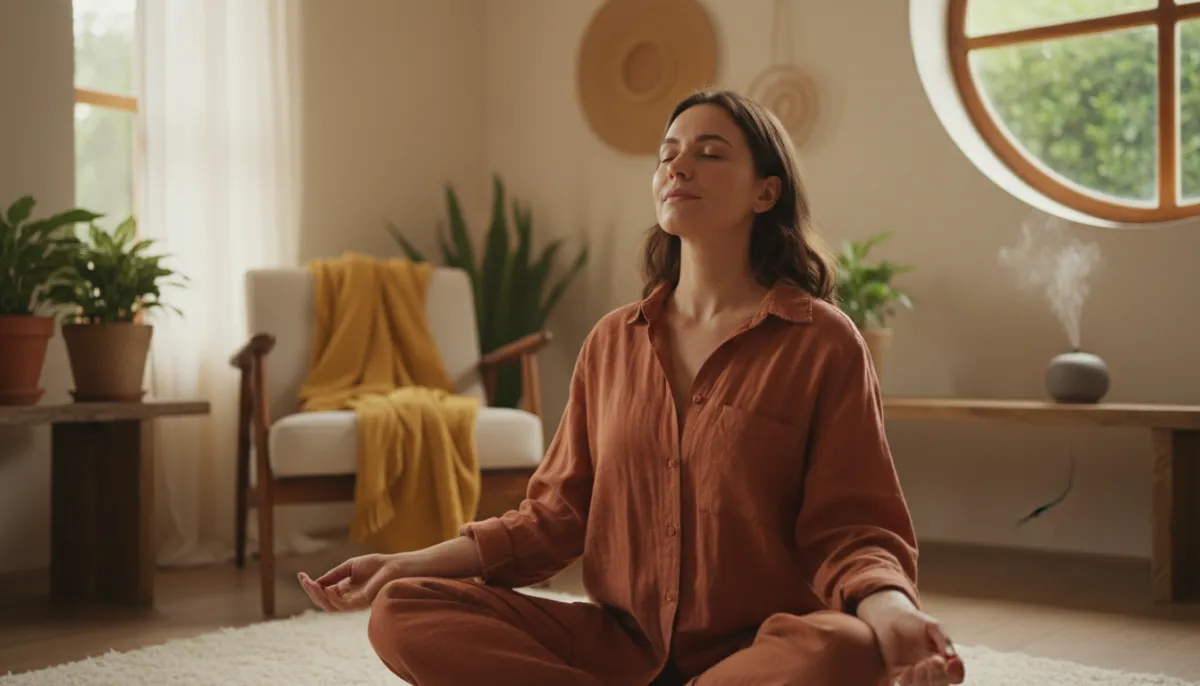
Practical Relaxation Techniques
When nervousness spikes, immediate relief often comes from targeted relaxation strategies. These methods are quick to learn, require minimal equipment, and can be applied anywhere—from a waiting room to a bustling office.
Breathing Exercises
Box breathing (inhale‑hold‑exhale‑hold for equal counts) stabilizes heart rate and reduces the sensation of panic. Try a 4‑4‑4‑4 pattern for two minutes before a stressful event.
Progressive Muscle Relaxation
Systematically tensing and releasing muscle groups teaches the brain to recognize tension cues, making it easier to release stress throughout the day.
Grounding Techniques
The 5‑4‑3‑2‑1 method (identify 5 things you see, 4 you feel, 3 you hear, 2 you smell, 1 you taste) anchors attention in the present, interrupting spiraling thoughts.
Incorporating these practices into a daily routine can improve overall stress resilience. Below is a quick reference guide:
| Technique | Duration | Best Setting |
|---|---|---|
| Box Breathing | 2–5 minutes | Before presentations, in the car |
| Progressive Muscle Relaxation | 10–15 minutes | Evening routine, quiet room |
| 5‑4‑3‑2‑1 Grounding | 1–2 minutes | Any location, especially during anxiety spikes |
These tools address the core question of how to alleviate nervousness by providing immediate physiological calm while also training the mind to respond more adaptively.
Lifestyle Adjustments for Long‑Term Relief
Short‑term fixes are valuable, but sustainable reduction of nervousness often requires broader lifestyle changes. Integrating habits that support the nervous system can prevent the buildup of chronic stress.
Physical Activity
Regular aerobic exercise releases endorphins, which naturally counteract cortisol. Even a brisk 30‑minute walk three times a week can improve mood and reduce anxiety levels.
Nutrition
Balanced meals rich in omega‑3 fatty acids, magnesium, and B‑vitamins stabilize neurotransmitter function. Reducing caffeine and refined sugars helps avoid unnecessary spikes in arousal.
Sleep Hygiene
Aiming for 7–9 hours of quality sleep supports emotional regulation. Establish a wind‑down routine—dim lights, limit screens, and consider a brief meditation before bed.
Below is a comparison of common lifestyle adjustments and their impact on nervousness:
| Adjustment | Impact on Nervousness | Time Investment |
|---|---|---|
| Daily Exercise | High (reduces baseline anxiety) | 30 min |
| Mindful Eating | Moderate (stabilizes blood sugar) | Varies |
| Consistent Sleep Schedule | High (enhances emotional resilience) | 7–9 h |
| Digital Detox (evening) | Moderate (reduces overstimulation) | 1 h |
Adopting these habits creates a supportive environment for the brain, making it easier to manage nervousness and improve overall well‑being.
When Professional Help Is Needed
While self‑help strategies are effective for mild to moderate nervousness, certain situations warrant professional intervention. Persistent anxiety that interferes with daily functioning, frequent panic attacks, or physical symptoms such as rapid heartbeat or shortness of breath should be evaluated by a qualified practitioner.
Key indicators that professional care may be required include:
- Symptoms lasting longer than six weeks despite self‑management.
- Intense panic attacks that occur unexpectedly.
- Significant avoidance of social or occupational activities.
- Co‑occurring depression or substance use.
Evidence‑based treatments encompass cognitive‑behavioral therapy (CBT), exposure therapy, and, when appropriate, medication prescribed by a psychiatrist. Integrative approaches—such as mindfulness‑based stress reduction (MBSR) and biofeedback—can complement traditional therapies, offering a holistic pathway to recovery.
At Gold City Medical Center, a multidisciplinary team evaluates each case, ensuring that anxiety treatment aligns with your unique health profile and personal goals.
Mind‑Body Practices and Integrative Approaches
Beyond conventional therapy, mind‑body techniques provide additional layers of support for those seeking to alleviate nervousness in a comprehensive manner. Practices such as yoga, tai chi, and guided imagery combine gentle movement with focused breathing, fostering a deep sense of calm.
Yoga and Tai Chi
These low‑impact exercises synchronize breath with motion, reducing sympathetic nervous system activity and enhancing parasympathetic tone.
Guided Imagery
Visualizing peaceful scenes activates the brain’s relaxation centers, lowering heart rate and cortisol production.
Integrative Healthcare
Gold City Medical Center offers personalized programs that blend medical evaluation with these therapeutic modalities, ensuring that each client receives a tailored plan that addresses both physical and emotional dimensions of nervousness.
Incorporating mind‑body practices into your routine can amplify the benefits of other strategies, creating a synergistic effect that promotes lasting tranquility.
Why Choose Gold City Medical Center
Gold City Medical Center combines cutting‑edge medical expertise with holistic wellness services, offering a unique integrative approach to anxiety and nervousness. Our team of physicians, therapists, and specialists collaborates to deliver personalized care plans that address both the physical and emotional aspects of stress. Whether you seek medical assessment, therapeutic counseling, or complementary mind‑body techniques, we provide a supportive environment focused on your overall health and confidence.
Ready to reclaim calm and confidence? Contact Gold City Medical Center today to schedule a comprehensive consultation and discover a personalized pathway to lasting relief.
Take the first step toward a more relaxed life—your well‑being starts here.
FAQ
What are the common causes of nervousness?
Nervousness often arises from high‑pressure situations, uncertainty, excess caffeine or sugar, lack of sleep, and underlying health conditions.
How can breathing exercises help reduce nervousness?
Breathing exercises like box breathing regulate heart rate and activate the parasympathetic nervous system, creating a sense of calm.
What lifestyle changes can lower chronic anxiety?
Regular aerobic exercise, balanced nutrition, adequate sleep, and digital detoxes are key lifestyle adjustments that reduce chronic anxiety.
When should I seek professional help for nervousness?
If nervousness persists for more than six weeks, includes intense panic attacks, or interferes with daily life, professional evaluation is recommended.
How do mind‑body practices like yoga aid in alleviating nervousness?
Yoga and similar practices synchronize breath with movement, reducing sympathetic activity and enhancing parasympathetic tone for lasting calm.
What is the 5‑4‑3‑2‑1 grounding technique?
It is a sensory exercise that anchors attention by identifying five things you see, four you feel, three you hear, two you smell, and one you taste.
How long does it take to see results from relaxation techniques?
Many people notice a calming effect within minutes, while consistent practice can produce measurable stress reductions within weeks.





