Many people wonder how long does hair shedding last and whether the amount of hair they lose is a cause for concern. Hair shedding is a natural part of the growth cycle, but certain factors can extend the shedding phase and lead to noticeable thinning. In this article we explain the biology behind shedding, outline typical timelines, and provide practical guidance for managing prolonged hair loss.
According to dermatological research, the average person loses between 50 and 100 strands each day without noticing it. However, when shedding spikes, it can feel alarming, especially if it coincides with stressful life events or health changes. Understanding the underlying mechanisms helps you differentiate normal shedding from conditions that require medical attention.
We will cover the following topics: the normal hair growth cycle, common triggers that prolong shedding, warning signs that indicate a need for professional evaluation, and evidence‑based strategies to support regrowth. By the end of this guide you will have a clear picture of how long hair shedding lasts in various scenarios and know the steps you can take to restore a healthier scalp.
What Is Hair Shedding and How Long Does It Typically Last?
Hair shedding is the process by which a hair follicle releases a strand that has completed its growth phase. This is part of the hair growth cycle, which consists of three main phases: anagen (growth), catagen (transition), and telogen (rest). Approximately 85‑90% of hairs are in the anagen phase at any given time, while the remaining 10‑15% are in catagen or telogen.
During the telogen phase, hairs are loosely anchored and will fall out after about 2‑4 months. This natural shedding is often referred to as “telogen effluvium” when a larger proportion of hairs enter the resting phase simultaneously due to an external trigger. In most cases, the shedding phase lasts between 2 and 6 months, after which the follicles re‑enter the anagen phase and new growth begins.
Below is a concise overview of typical shedding durations for different scenarios:
- Normal daily shedding: 50‑100 hairs per day, lasting indefinitely as part of the cycle.
- Seasonal shedding (often in autumn): 2‑3 months, with a modest increase in daily loss.
- Post‑partum shedding: 3‑6 months after childbirth, driven by hormonal shifts.
- Post‑illness or post‑COVID shedding: 2‑4 months, depending on severity of the illness.
- Weight‑loss or extreme dieting shedding: 3‑5 months, linked to nutritional deficiencies.
Understanding these timelines helps answer the core question of how long does hair shedding last under various conditions. Most episodes are self‑limiting, but persistent shedding beyond six months warrants further evaluation.
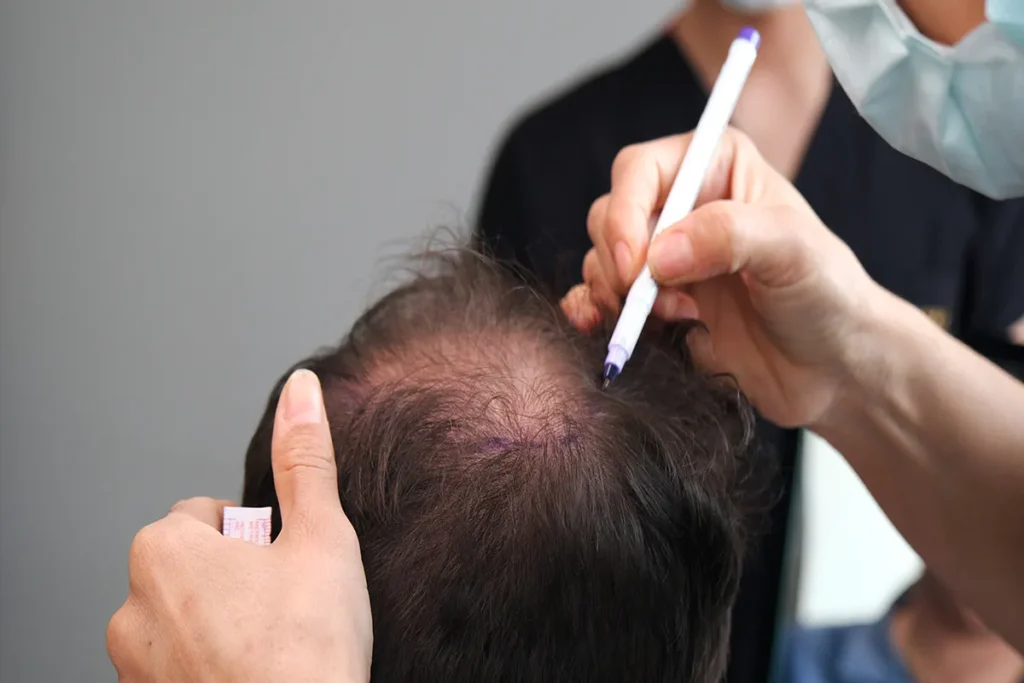
Common Triggers That Can Extend Hair Shedding Duration
While the hair cycle is largely predetermined, several internal and external factors can push a larger share of follicles into the telogen stage, effectively lengthening the shedding period. Recognizing these triggers is essential for addressing the root cause and shortening the time frame of excessive loss.
Key contributors include:
- Physical or emotional stress: Acute stress can precipitate telogen effluvium, often lasting 3‑4 months.
- Hormonal fluctuations: Pregnancy, menopause, and thyroid disorders can alter the cycle, with shedding persisting up to 6 months.
- Illness and fever: High fevers, especially from viral infections like COVID‑19, commonly cause a 2‑3‑month shedding phase.
- Medications: Anticoagulants, retinoids, and certain antidepressants may trigger shedding that resolves after the medication is stopped.
- Nutritional deficiencies: Lack of iron, zinc, or protein can extend shedding for several months until levels are restored.
- Rapid weight loss or restrictive diets: Caloric deficits force the body to prioritize essential functions, often resulting in 3‑5 months of increased shedding.
The table below compares common triggers with their typical shedding duration and recommended initial actions:
| Trigger | Typical Shedding Duration | First‑Line Management |
|---|---|---|
| Acute stress | 2‑4 months | Stress‑reduction techniques, adequate sleep |
| Post‑COVID infection | 2‑3 months | Medical follow‑up, balanced nutrition |
| Thyroid imbalance | 4‑6 months | Hormone testing, endocrinology referral |
| Iron deficiency | 3‑5 months | Iron supplementation, diet rich in heme iron |
| Medication side‑effects | Variable (usually resolves after discontinuation) | Consult prescribing physician for alternatives |
By addressing these factors early, many individuals find that how long does hair shedding last shortens considerably, often returning to normal within a few months.
When Is Shedding Normal vs. When to Seek Professional Help?
Distinguishing between normal shedding and a pathological condition is crucial for timely intervention. While a temporary increase in hair loss is common, certain patterns suggest an underlying disorder that may require medical treatment.
Typical signs of normal shedding include:
- Gradual increase in daily hair loss, staying under 150 strands per day.
- Shedding that peaks and then gradually declines within 3‑6 months.
- No visible bald patches or scalp inflammation.
Red flags that merit a professional evaluation:
- Sudden loss of more than 200 hairs per day.
- Presence of distinct bald spots, especially on the crown or frontal hairline.
- Accompanying symptoms such as itching, scaling, or pain.
- Persistent shedding lasting longer than six months despite addressing known triggers.
- Family history of androgenetic alopecia or autoimmune conditions.
Clinicians differentiate between several forms of hair loss:
Telogen Effluvium
This is the most common cause of diffuse shedding and usually resolves within six months once the trigger is removed.
Androgenetic Alopecia
Also known as male or female pattern baldness, it presents as gradual thinning in predictable areas and often requires long‑term treatment.
Alopecia Areata
An autoimmune condition that leads to sudden, patchy hair loss. Early treatment can improve outcomes.
If you notice any of the warning signs, a consultation with a dermatologist or a trichologist can help determine the exact cause and guide appropriate therapy. This is especially relevant when answering the question, how long does hair shedding last, because professional assessment can prevent an extended shedding period that might otherwise become chronic.
Strategies to Support Hair Growth During the Shedding Phase
While the body works to reset the hair cycle, several evidence‑based strategies can accelerate recovery and improve overall hair health. These measures address nutrition, scalp environment, and medical therapies that are safe for most individuals.
Nutrition and Supplements
- Consume a balanced diet rich in protein, omega‑3 fatty acids, and vitamins A, C, D, and E.
- Consider supplements such as biotin (2,500 µg daily), iron (if deficient), and zinc (30 mg daily).
- Stay hydrated; adequate water intake supports follicular metabolism.
Scalp Care
- Use a gentle, sulfate‑free shampoo to avoid unnecessary irritation.
- Incorporate scalp massage (2‑3 minutes daily) to stimulate blood flow.
- Apply topical minoxidil (5% for men, 2% for women) as directed; it can shorten the telogen phase.
Medical Interventions
- Low‑level laser therapy (LLLT) devices have shown modest improvements in density.
- Platelet‑rich plasma (PRP) injections can promote follicle activity in select patients.
- In cases of androgenetic alopecia, oral finasteride (1 mg daily) may be prescribed after proper evaluation.
Lifestyle Adjustments
- Prioritize sleep (7‑9 hours) to regulate hormonal balance.
- Manage stress through mindfulness, yoga, or counseling.
- Avoid tight hairstyles that cause traction alopecia.
Implementing a combination of these strategies often reduces the time frame of excessive loss, answering the lingering question of how long does hair shedding last for many individuals. Consistency is key; most patients notice visible improvement within 3‑4 months of sustained care.
Why Choose Gold City Medical Center
Gold City Medical Center combines advanced medical expertise with a holistic approach to hair health. Our team of certified dermatologists and hair restoration specialists offers personalized assessments, state‑of‑the‑art diagnostics, and evidence‑based treatments ranging from PRP to surgical hair transplantation. By integrating nutrition counseling, stress‑management programs, and cutting‑edge technology, we address the root causes of prolonged shedding and help you achieve sustainable, natural‑looking results.
Choosing us means receiving care that is both medically rigorous and tailored to your individual lifestyle, ensuring the quickest possible recovery from any hair‑shedding episode.
Ready to regain confidence in your hair? Contact Gold City Medical Center today for a comprehensive scalp evaluation and a customized plan to shorten your shedding phase. Call us or fill out the online form to schedule your appointment now.
FAQ
How long does hair shedding typically last?
Most shedding episodes last between 2 and 6 months, depending on the underlying cause.
What are the common triggers that can extend hair shedding duration?
Stress, hormonal changes, illness, medications, nutritional deficiencies, and rapid weight loss are the main triggers.
When should I seek professional help for hair shedding?
If shedding exceeds 200 hairs per day, lasts over six months, or is accompanied by bald patches or scalp symptoms, consult a dermatologist.
What are effective strategies to support hair growth during shedding?
Balanced nutrition, scalp care, minoxidil, low‑level laser therapy, and stress management are key strategies.
How does telogen effluvium differ from normal hair shedding?
Telogen effluvium is a sudden, widespread shift of hairs into the resting phase, causing noticeable thinning for months.
Can nutrition and supplements reduce hair shedding time?
Yes, correcting deficiencies with proper diet and targeted supplements can shorten the shedding phase.





