When you see the phrase magnesium stearate and hair loss in supplement ingredient lists, it can raise immediate concerns. Many people wonder whether this common flow agent could be a hidden cause of thinning strands or if it is simply a benign additive. In this article we will break down what magnesium stearate actually is, examine the scientific evidence linking it to hair loss, and provide practical guidance on choosing safe hair‑growth supplements. Understanding the role of each component in a supplement helps you make informed decisions about your hair‑care routine.
Hair loss affects up to 40 % of adults at some point in their lives, and the search for effective, low‑risk solutions is intense. While genetics, hormones, and nutrition are the primary drivers, the quality of the supplements you take can also play a part. This is why it is essential to differentiate between harmless excipients and ingredients that may interfere with scalp health.
In the sections that follow, we will explore the science behind magnesium stearate, review the broader landscape of hair‑growth supplements, and outline steps you can take to protect your hair while still benefiting from nutritional support.
Understanding Magnesium Stearate: Uses and Safety
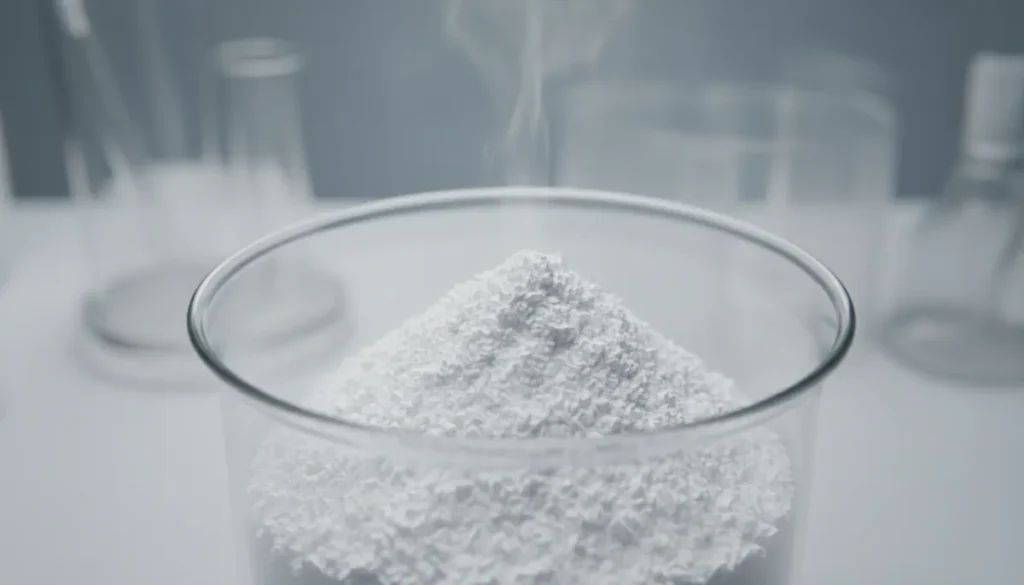
Magnesium stearate is a white, powdery compound formed from magnesium and stearic acid, a saturated fatty acid commonly found in animal and vegetable fats. It is primarily used in the pharmaceutical and nutraceutical industries as a “flow agent” to prevent powders from sticking together during manufacturing.
Common Applications
- Improves tablet compression and consistency.
- Reduces friction in capsule filling machines.
- Acts as a lubricant in powdered vitamin blends.
Safety Profile
Regulatory agencies such as the FDA and EFSA consider magnesium stearate safe for consumption at the levels typically used in supplements. However, the magnesium stearate side effects discussion often centers on potential gastrointestinal irritation when taken in very high doses, not on hair health.
Key points from safety assessments:
- Daily exposure from supplements is usually less than 10 mg, far below toxic thresholds.
- Animal studies have not demonstrated a direct link to follicular damage.
- Most reported adverse reactions involve mild stomach discomfort, which resolves after discontinuation.
Because magnesium stearate is inert in the body, the notion that it directly causes hair loss is not strongly supported by current research. Nonetheless, individuals with sensitive digestive systems may experience indirect effects that could influence nutrient absorption, a factor worth monitoring.
How Supplements Can Influence Hair Health
Hair growth is a complex process that relies on a balanced supply of vitamins, minerals, and proteins. Supplements aim to fill nutritional gaps, but not all formulations are created equal. Understanding which ingredients truly support follicle function helps you avoid unnecessary additives like magnesium stearate that may not add value.
Key Nutrients for Strong Hair
- Biotin – Supports keratin production.
- Vitamin D – Modulates hair‑cycle growth phases.
- Zinc – Essential for DNA synthesis in hair‑forming cells.
- Iron – Prevents anemia‑related shedding.
When evaluating hair growth supplements for women, look for products that list these nutrients at clinically relevant dosages. Many popular brands market themselves as “best supplements for hair growth,” but the presence of filler agents can dilute efficacy.
| Ingredient | Typical Daily Dose | Hair‑Health Benefit |
|---|---|---|
| Biotin (Vitamin B7) | 5 mg | Improves keratin strength, reduces breakage |
| Vitamin D3 | 2,000 IU | Regulates hair‑follicle cycling |
| Zinc (Zinc‑picolinate) | 15 mg | Supports cell division in the scalp |
| Iron (Ferrous bisglycinate) | 18 mg | Prevents iron‑deficiency shedding |
Products that combine these core nutrients with botanical extracts such as saw palmetto or pumpkin seed oil often receive higher consumer ratings. However, always verify that the supplement’s label discloses all excipients, including magnesium stearate, to ensure you are not ingesting unnecessary fillers.
Is Magnesium Stearate Linked to Hair Loss?
The central question—does magnesium stearate and hair loss have a causal relationship? Scientific literature offers limited direct evidence. Most studies on magnesium stearate focus on its pharmacokinetic properties rather than dermatological outcomes.
Current Research Findings
1. In‑vitro* studies* have shown that magnesium stearate does not interfere with keratinocyte proliferation.
2. *Human clinical trials* involving multi‑vitamin formulations containing magnesium stearate have not reported increased rates of alopecia.
3. Some anecdotal reports attribute hair thinning to “fillers” in supplements, but these accounts often lack controlled variables.
One related compound, magnesium stearic acid, shares a similar chemical structure but is also considered inert. The more relevant concern is the presence of other ingredients that might trigger hormonal imbalances, such as excessive vitamin A or certain herbal extracts.
Another angle worth noting is the emerging discussion around magnesium l‑threonate hair loss. Early research suggests that specific magnesium salts could influence neuro‑protective pathways, but the data are preliminary and do not implicate magnesium stearate directly.
Overall, the weight of evidence suggests that magnesium stearate is unlikely to be a primary driver of hair loss. If you experience shedding after starting a new supplement, it is prudent to review the entire ingredient list rather than focusing solely on this flow agent.
Choosing Safe Hair Growth Supplements
When selecting a product to support hair health, prioritize transparency and evidence‑based ingredients. Brands that openly list all excipients, including magnesium stearate, allow you to make an educated decision.
Top Ingredient Checklist
- Biotin (5 mg or higher)
- Vitamin D3 (1,000–2,000 IU)
- Zinc (15–30 mg)
- Iron (18 mg for women, 8 mg for men)
- Collagen peptides or hydrolyzed keratin
- Optional botanicals: saw palmetto, green tea extract, rosemary oil
Products such as Viviscal have gained popularity for their marine‑complex formula. While Viviscal does not contain magnesium stearate, it exemplifies the kind of transparent labeling consumers should seek. Reviews often highlight its role in reducing shedding and promoting thickness, especially when combined with a balanced diet.
| Brand | Key Hair‑Growth Ingredients | Contains Magnesium Stearate? |
|---|---|---|
| Viviscal | Marine Complex, Biotin, Zinc | No |
| Nutrafol | Saw Palmetto, Ashwagandha, Vitamin D | Yes (as filler) |
| Generic Multivitamin | Biotin, Iron, Vitamin C | Yes |
Choosing a supplement labeled as “best hair vitamins for thinning hair” does not guarantee the absence of magnesium stearate, but it does indicate a focus on clinically studied actives. Always read the full ingredient panel and, if possible, consult a healthcare professional before starting any new regimen.
When to Seek Professional Help for Hair Loss
Even with the best supplements, some individuals experience progressive thinning that requires medical attention. Dermatologists and trichologists can assess underlying conditions such as androgenic alopecia, thyroid disorders, or autoimmune diseases.
Diagnostic Tools
- Scalp examination and pull test.
- Blood work to check iron, vitamin D, and hormonal levels.
- Trichoscopy for detailed follicle imaging.
In cases where nutrient deficiencies are identified, targeted supplementation—free of unnecessary excipients—can be prescribed. For advanced thinning, procedures like platelet‑rich plasma (PRP) therapy or hair transplantation may be recommended. Gold City Medical Center offers an integrative approach that combines medical diagnostics with aesthetic solutions, ensuring a personalized plan that addresses both the cause and the cosmetic outcome.
Remember, early intervention often yields better results. If you notice sudden or patchy hair loss, schedule a consultation to explore both lifestyle modifications and clinical options.
Why Choose Gold City Medical Center
Gold City Medical Center combines medical expertise with cutting‑edge cosmetic care, offering a holistic pathway to healthier hair. Our team of board‑certified dermatologists, trichologists, and aesthetic specialists works together to diagnose the root cause of hair loss and design individualized treatment plans. From comprehensive blood testing to state‑of‑the‑art hair transplantation, we ensure each patient receives safe, evidence‑based solutions tailored to their unique needs.
By integrating nutrition counseling, we help you select supplements that are effective and free from unnecessary additives. Trust our multidisciplinary approach to guide you toward lasting results and renewed confidence.
Ready to take control of your hair health? Contact Gold City Medical Center today to schedule a personalized consultation and discover the most effective, science‑backed solutions for you.
Call us or fill out our online form—our specialists are waiting to help you achieve stronger, fuller hair.
FAQ
Does magnesium stearate cause hair loss?
Current research shows no direct causal link between magnesium stearate and hair loss.
What are the safety concerns of magnesium stearate in supplements?
Regulatory agencies deem it safe at typical doses, with rare gastrointestinal irritation as the main side effect.
Which nutrients are most important for healthy hair growth?
Biotin, vitamin D, zinc, and iron are key nutrients that support hair follicle function.
How can I identify if a supplement contains magnesium stearate?
Check the ingredient list for ‘magnesium stearate’ or look for a separate excipients section.
What should I do if I notice hair shedding after starting a new supplement?
Stop the supplement, review the full ingredient list, and consult a healthcare professional.
When should I consult a professional for hair loss?
Seek medical advice if shedding is rapid, patchy, or accompanied by other symptoms.





