Micro needling has emerged as a leading minimally invasive skin treatment, offering noticeable improvements in texture, tone, and firmness. In this article we explore the procedure, its scientific basis, preparation steps, aftercare, device options, cost considerations, and safety guidelines. With over 22,000 monthly searches, many people are curious about its effectiveness and whether it’s the right choice for their skin concerns.
Understanding how micro needling stimulates the skin’s natural repair mechanisms helps you set realistic expectations and achieve optimal results. Whether you’re dealing with acne scars, fine lines, or uneven pigmentation, this technique can be tailored to your specific needs. Below, we break down the essential information you need before scheduling a session at Gold City Medical Center.
We’ll also address common misconceptions, compare micro needling with alternative treatments, and provide practical tips for maximizing benefits while minimizing downtime. Let’s dive into the details that will empower you to make an informed decision about this popular cosmetic procedure.
How Micro Needling Works: The Science Behind Collagen Induction
Micro needling, also known as collagen induction therapy, uses fine needles to create controlled micro‑injuries in the epidermis. These micro‑channels trigger a cascade of biological responses, including the release of growth factors and the activation of fibroblasts, which synthesize new collagen and elastin fibers. The result is a gradual improvement in skin elasticity and a reduction in visible imperfections.
The Role of Microneedles
The depth and density of the needles determine the intensity of the treatment. Professional devices can reach up to 2.5 mm, allowing for deeper dermal remodeling, while at‑home rollers typically range from 0.25 mm to 0.5 mm, targeting superficial issues such as fine lines and texture irregularities.
Skin Healing Phases
- Inflammatory Phase: Immediate response with redness and mild swelling.
- Proliferative Phase: New tissue formation, increased collagen production.
- Remodeling Phase: Collagen fibers reorganize, leading to smoother skin.
Compared to other skin rejuvenation methods, micro needling offers a unique balance of efficacy and minimal downtime.
| Treatment | Depth (mm) | Typical Downtime | Key Benefits |
|---|---|---|---|
| Micro Needling | 0.25–2.5 | 1–3 days | Collagen boost, scar reduction |
| Chemical Peel | 0.1–0.5 | 3–7 days | Surface exfoliation |
| Laser Resurfacing | 0.5–1.5 | 7–14 days | Precise resurfacing |
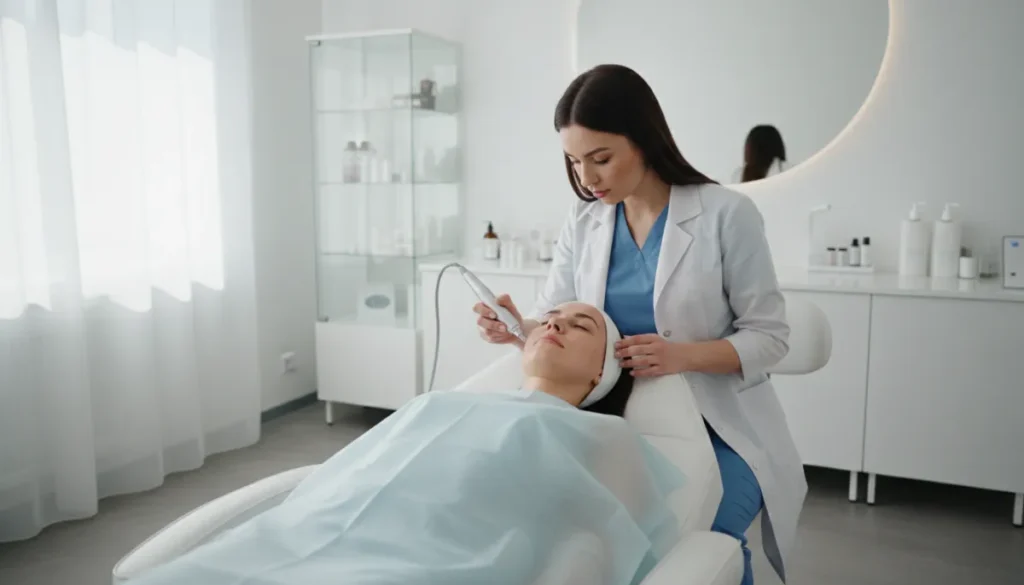
Preparing for Your First Session: What to Expect and How to Get Ready
Before undergoing micro needling, a thorough consultation is essential. The practitioner assesses your skin type, medical history, and aesthetic goals to customize the treatment plan. This step ensures safety and optimizes outcomes.
Consultation and Skin Assessment
During the initial visit, the clinician may discuss previous procedures, current skincare products, and any medications that could affect healing. It’s important to disclose any active infections, recent acne flare‑ups, or chronic skin conditions.
Pre‑Treatment Skincare
- Avoid retinoids and exfoliating acids for at least 48 hours before the session.
- Maintain a gentle cleansing routine and keep the skin well‑hydrated.
- Stop smoking and limit alcohol consumption to support optimal healing.
Patients often report a sense of anticipation mixed with mild nervousness. Understanding the procedure steps—cleanse, numbing (if needed), needle application, and post‑treatment care—helps alleviate anxiety.
Aftercare and Recovery: Maximizing Results and Minimizing Downtime
Effective aftercare is crucial for achieving the full benefits of micro needling. The skin will appear pink and may feel tight for a few days, but proper care accelerates healing and reduces the risk of complications.
Immediate Post‑Treatment Care
- Apply a soothing serum containing hyaluronic acid or peptides.
- Use a gentle, fragrance‑free moisturizer to maintain barrier function.
- Avoid sun exposure; wear a broad‑spectrum SPF 30+ sunscreen for at least two weeks.
Long‑Term Maintenance
Regular sessions, typically spaced 4–6 weeks apart, allow the skin to build collagen progressively. Incorporating antioxidant‑rich products and a balanced diet supports the remodeling process.
Most patients experience minimal downtime, with most daily activities resuming within 24–48 hours. Consistency in aftercare routines is the key to long‑lasting, visible improvement.
Choosing the Right Device: Microneedling Pens, Dermarollers, and Professional Equipment
The market offers a variety of devices ranging from at‑home dermarollers to advanced professional pens. Selecting the appropriate tool depends on your skin concerns, budget, and comfort level with self‑administration.
Professional Pen vs. Home Roller
- Microneedling Pen: Adjustable depth, precise control, typically used by trained clinicians.
- Dermaroller: Fixed needle length, suitable for mild texture issues, requires diligent hygiene.
- Skin Pen: A hybrid device offering variable speed settings for both home and clinic use.
Key Features to Look For
| Feature | Professional Pen | Home Roller |
|---|---|---|
| Needle Length Adjustability | Yes (0.25–2.5 mm) | No (fixed) |
| Sterilization Process | Autoclave‑compatible | Reusable with alcohol wipes |
| Speed Control | Variable RPM | None |
While at‑home kits are convenient, professional micro needling performed at Gold City Medical Center ensures optimal needle depth, uniform coverage, and immediate expert guidance, leading to superior outcomes.
Cost, Frequency, and Safety: Frequently Asked Questions About Micro Needling
Understanding the financial and scheduling aspects helps you plan a realistic treatment journey. Prices can vary based on device type, practitioner expertise, and geographic location.
Pricing Overview
- Professional session at a reputable clinic: €150–€300 per treatment.
- At‑home dermaroller kits: €30–€100, but additional skincare products may increase total cost.
- Package deals (e.g., 3‑session bundle) often provide a 10–15 % discount.
Recommended Treatment Schedule
For most skin concerns, a series of 4–6 sessions spaced 4–6 weeks apart yields the best results. Maintenance sessions every 4–6 months help preserve collagen gains.
Safety Considerations
- Contraindications include active acne, eczema, rosacea flare‑ups, and recent retinoid use.
- Pregnant or nursing individuals should consult their physician before proceeding.
- Professional micro needling minimizes infection risk through sterile technique and proper aftercare guidance.
Overall, micro needling is a safe and effective option for most skin types when performed by trained professionals. The combination of controlled depth, precise needle placement, and post‑treatment support maximizes benefits while keeping adverse effects low.
Why Choose Gold City Medical Center for Micro Needling
Gold City Medical Center combines a multidisciplinary approach with state‑of‑the‑art technology to deliver personalized micro needling experiences. Our team of board‑certified dermatologists and aesthetic specialists ensures a safe, comfortable environment, from the initial consultation through post‑treatment follow‑up. By integrating medical expertise with cosmetic precision, we achieve natural‑looking results that enhance your confidence.
Ready to revitalize your skin? Book a complimentary consultation today and discover how micro needling at Gold City Medical Center can transform your complexion. Call us or visit our clinic to start your journey toward smoother, radiant skin.
FAQ
How does micro needling stimulate collagen production?
Micro needling creates tiny channels in the skin that trigger a wound‑healing response, releasing growth factors that activate fibroblasts to produce new collagen and elastin.
What should I do to prepare for my first micro needling session?
Schedule a consultation, avoid retinoids and acids for 48 hours, keep skin clean and hydrated, and stop smoking or excessive alcohol.
What is the recommended aftercare routine following micro needling?
Apply soothing serums, use fragrance‑free moisturizers, avoid sun exposure, and protect with SPF 30+ for at least two weeks.
How often should micro needling treatments be performed for best results?
Typically 4–6 sessions spaced 4–6 weeks apart, with maintenance every 4–6 months.
What are the cost ranges for professional micro needling in the Netherlands?
Professional sessions cost roughly €150–€300 per treatment, with package discounts of 10–15 % for multiple sessions.
Are there any safety concerns or contraindications for micro needling?
Contraindications include active acne, eczema, rosacea flare‑ups, recent retinoid use, and pregnancy without medical advice.





