When it comes to keratosis pilaris treatment, many people feel frustrated by the persistent “chicken skin” appearance that can affect the arms, thighs, and even the face. This condition, characterized by tiny, rough bumps, is common but rarely discussed openly. In this article we explore the science behind keratosis pilaris, examine the most reliable treatment options, and provide practical advice for long‑term skin health. Recent dermatology surveys indicate that up to 30 % of adolescents experience noticeable keratosis pilaris, highlighting the need for effective solutions.
We will start by clarifying what causes these bumps, then move on to topical moisturizers, prescription therapies, and advanced procedures such as laser and chemical peels. Whether you prefer a simple at‑home routine or are considering a professional clinic visit, understanding the full range of keratosis pilaris treatment methods empowers you to make informed choices. By the end of this guide, you’ll have a clear roadmap to smoother, healthier skin.
Let’s begin our journey toward smoother skin by first uncovering the underlying mechanisms of keratosis pilaris.
Understanding Keratosis Pilaris: Causes and Symptoms
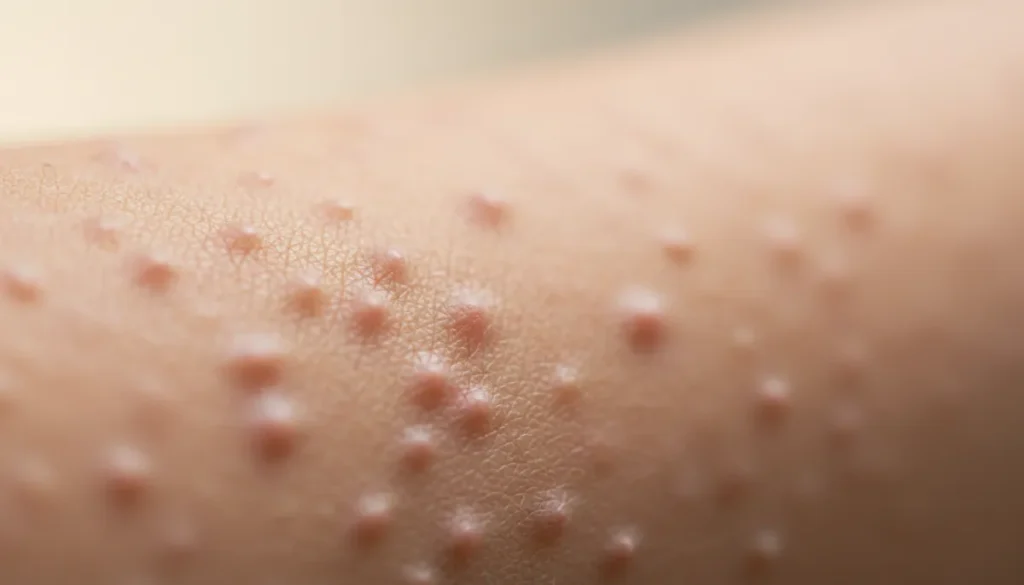
Keratosis pilaris, often described as “chicken skin,” results from a buildup of keratin—a hard protein that protects skin—from blocking hair follicles. This blockage creates the characteristic raised, sometimes reddish bumps. While the exact cause remains unclear, genetics, dry skin, and certain hormonal changes are frequently implicated.
Common symptoms include:
- Small, rough bumps on the upper arms, thighs, or cheeks
- Red or pink coloration, especially after friction or heat exposure
- Occasional itchiness, though many people experience no discomfort
- Gradual worsening during colder months due to reduced skin hydration
Below is a concise comparison of typical symptom locations and their visual presentation:
| Location | Appearance | Typical Color |
|---|---|---|
| Upper Arms | Fine, raised bumps | Red to flesh‑colored |
| Thighs | Coarse texture, sometimes “sandpaper‑like” | Pinkish or light brown |
| Cheeks | Small papules, often less noticeable | Flesh‑tone |
Understanding these patterns helps you identify the most appropriate keratosis pilaris treatment strategy for your skin type.
Topical Treatments and Moisturizers
For many patients, the first line of defense against keratosis pilaris involves daily skincare routines that focus on hydration and gentle exfoliation. The goal is to soften the keratin plugs and reduce the visibility of bumps.
Key ingredients to look for in moisturizers and creams include:
- Urea – draws moisture into the skin and gently breaks down keratin
- Lactic Acid – provides mild chemical exfoliation while hydrating
- Alpha‑Hydroxy Acids (AHAs) – improve skin texture and promote cell turnover
- Salicylic Acid – penetrates follicles to clear excess keratin
- Glycerin – locks in water for lasting softness
Below is a quick reference table comparing popular over‑the‑counter moisturizers that contain these actives:
| Product | Active Ingredient | Concentration | Key Benefit |
|---|---|---|---|
| DermaSmooth Cream | Urea | 10 % | Deep hydration, keratin softening |
| LactoGlow Lotion | Lactic Acid | 5 % | Gentle exfoliation, brightening |
| SalicyClear Gel | Salicylic Acid | 2 % | Follicular cleansing, reduces redness |
Applying these products twice daily—after gentle cleansing—can noticeably improve skin smoothness within 4–6 weeks. Remember to start with a lower concentration if you have sensitive skin, and always perform a patch test before full‑area use.
Advanced Medical Options: Laser, Chemical Peels, and Prescription Therapies
When topical care does not achieve the desired results, many turn to professional interventions. These procedures target the underlying keratin plugs more aggressively, offering faster and longer‑lasting outcomes.
Common medical options include:
- Laser Therapy – fractional lasers (e.g., CO₂, erbium) remodel the skin surface and reduce bump prominence.
- Chemical Peels – medium‑strength glycolic or trichloroacetic acid peels promote deeper exfoliation.
- Prescription Retinoids – topical tretinoin or adapalene increase cell turnover and prevent new keratin buildup.
- Oral Vitamin A derivatives – in severe cases, isotretinoin may be prescribed under strict medical supervision.
Below is a comparison of these advanced treatments, focusing on efficacy, downtime, and typical cost range (prices are indicative and may vary by clinic):
| Treatment | Effectiveness | Downtime | Cost (EUR) |
|---|---|---|---|
| Fractional CO₂ Laser | High – significant bump reduction | 1‑3 days mild redness | 300‑600 per session |
| Glycolic Acid Peel (30 %) | Medium – gradual smoothing | 2‑4 days peeling | 100‑250 per session |
| Topical Tretinoin 0.05 % | Medium – requires several months | None (possible irritation) | 30‑80 for prescription |
| Oral Isotretinoin | High – for severe cases only | None (monitoring required) | 200‑500 for full course |
Laser therapy, in particular, has gained popularity for its ability to provide visible improvement after just one or two sessions. However, it is essential to consult a qualified dermatologist to assess suitability, especially for darker skin tones where pigment changes may be a concern.
Home Care and Lifestyle Adjustments
Beyond products and procedures, everyday habits play a crucial role in managing keratosis pilaris. Consistency in skin care, combined with certain lifestyle tweaks, can sustain the benefits of any keratosis pilaris treatment you undertake.
Effective home‑care practices include:
- Gentle Cleansing – use a mild, sulfate‑free cleanser to avoid stripping natural oils.
- Regular Exfoliation – incorporate a soft brush or loofah 2–3 times per week, avoiding harsh scrubs that may irritate the skin.
- Humidifier Use – especially in winter, maintain indoor humidity levels around 40‑60 % to prevent dryness.
- Hydrating Diet – increase intake of omega‑3 fatty acids (found in fish, flaxseed) and stay well‑hydrated.
- Sun Protection – apply broad‑spectrum SPF 30+ daily; UV exposure can exacerbate redness.
These steps support the skin barrier, making it less prone to keratin buildup. For those who enjoy sauna sessions, moderate use (10‑15 minutes) can improve circulation, but excessive heat may worsen dryness, so follow up with a rich moisturizer.
Long‑Term Maintenance: Tips for Sustained Results
Even after visible improvement, keratosis pilaris can reappear if skin care lapses. Maintaining results requires a proactive approach that blends product use with periodic professional check‑ups.
Key maintenance tips:
- Schedule bi‑annual dermatologist visits to assess skin changes and adjust treatment intensity.
- Rotate moisturizers every 6‑12 months to prevent tolerance to a single active ingredient.
- Monitor seasonal changes; increase moisturizing frequency during colder months.
- Keep a skin journal to track product reactions and identify triggers.
- Consider occasional maintenance laser sessions (once a year) if you previously benefited from them.
By integrating these habits, many individuals experience lasting smoothness and a reduction in the characteristic “chicken skin” texture.
Why Choose Gold City Medical Center
Gold City Medical Center combines cutting‑edge dermatological expertise with a holistic approach to skin health. Our team of certified specialists designs personalized keratosis pilaris treatment plans that integrate medical-grade products, state‑of‑the‑art laser technology, and comprehensive after‑care guidance. With a focus on safety, efficacy, and patient comfort, we help you achieve smoother, healthier skin in a supportive, modern environment.
Ready to transform your skin? Contact Gold City Medical Center today to schedule a personalized consultation and discover the most effective keratosis pilaris treatment for you.
Call us or fill out our online request form – smoother skin is just a step away.
FAQ
What causes keratosis pilaris?
Keratosis pilaris is caused by a buildup of keratin that blocks hair follicles, often influenced by genetics, dry skin, and hormonal changes.
How can moisturizers help treat keratosis pilaris?
Moisturizers hydrate the skin and soften keratin plugs, reducing bump visibility and improving skin texture.
Which ingredients are most effective in keratosis pilaris creams?
Urea, lactic acid, salicylic acid, alpha‑hydroxy acids (AHAs), and glycerin are the key actives for treating keratosis pilaris.
What professional options exist for keratosis pilaris treatment?
Laser therapy, chemical peels, prescription retinoids, and oral isotretinoin are the main professional treatments.
How does laser therapy improve keratosis pilaris?
Laser therapy resurfaces the skin, breaking down keratin plugs and stimulating collagen for smoother skin.
What home‑care habits support long‑term management of keratosis pilaris?
Gentle cleansing, regular exfoliation, humidifier use, a hydrating diet, and daily sunscreen protect and maintain smooth skin.





