Vitamin D supplements for hair loss have gained attention as a natural approach to support thicker, healthier strands. Understanding how this nutrient influences hair follicles can help you decide whether supplementation is right for you. In recent years, research has linked low vitamin D levels to increased shedding, especially in people with seasonal deficiencies.
In this article, we will examine the role of vitamin D in hair health, identify signs of deficiency, and outline practical steps for choosing the most effective supplement. We’ll also discuss how to combine supplementation with lifestyle changes, and when professional medical advice is essential. Whether you’re experiencing early thinning or looking to boost overall hair vitality, the information here will guide you toward informed decisions.
Hair loss affects millions worldwide, and many seek solutions beyond prescription drugs. By exploring the science behind vitamin D, you can determine if this simple nutrient may be a missing piece in your hair‑care regimen.
How Vitamin D Impacts Hair Health
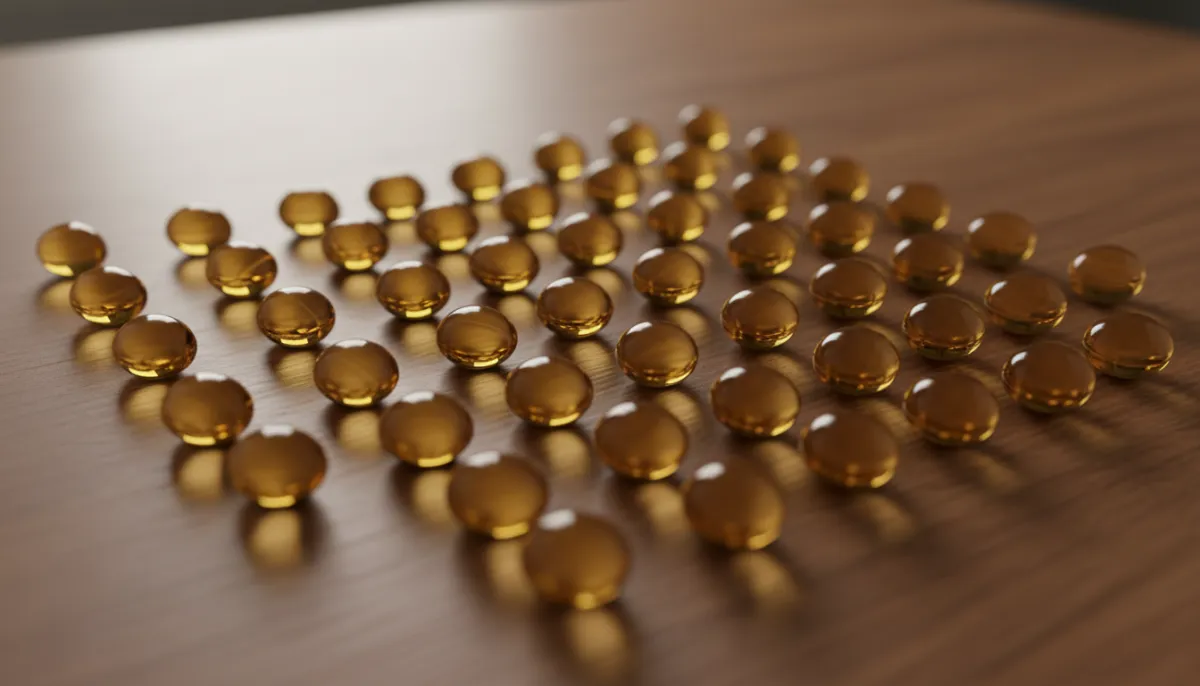
Vitamin D is more than a bone‑strengthening vitamin; it plays a vital role in the growth cycle of hair follicles. The active form, calcitriol, binds to receptors in dermal papilla cells, influencing the production of keratin, the protein that forms hair strands. When levels drop, the signaling pathway weakens, often resulting in slower growth and premature shedding.
Key Functions of Vitamin D for Hair
- Regulates the hair growth (anagen) phase duration.
- Supports immune modulation, reducing inflammation around follicles.
- Enhances calcium absorption, which is essential for follicle health.
Signs of Vitamin D Deficiency
Common symptoms that may coincide with hair loss include:
- Increased shedding or thinning, especially on the crown.
- Dry, brittle hair that breaks easily.
- General fatigue, bone pain, or muscle weakness.
Laboratory testing can confirm deficiency, typically defined as serum 25‑hydroxyvitamin D levels below 20 ng/mL.
| Serum Level (ng/mL) | Interpretation | Potential Hair Impact |
|---|---|---|
| <20 | Deficient | Higher risk of telogen effluvium |
| 20‑30 | Insufficient | Possible mild shedding |
| 30‑50 | Optimal | Supports normal hair cycle |
| >50 | High | Rarely beneficial, monitor for toxicity |
Choosing the Right Vitamin D Supplement
Not all vitamin D products are created equal. When selecting a supplement for hair loss, consider the form, dosage, and manufacturing standards. Vitamin D3 (cholecalciferol) is generally more effective at raising serum levels than D2 (ergocalciferol), making it the preferred choice for most adults.
Types and Dosage Recommendations
- Vitamin D3 (cholecalciferol): 1,000–2,000 IU daily for most adults; higher doses may be prescribed after testing.
- Combined formulas: Some products pair vitamin D with biotin or zinc, marketed as “hair growth vitamins.” These can simplify a regimen but verify each ingredient’s dosage.
- Liquid drops: Useful for individuals with difficulty swallowing pills; ensure the concentration is clearly labeled.
Quality Indicators
Look for supplements that are:
- Third‑party tested for purity (e.g., USP, NSF).
- Free from unnecessary fillers, artificial colors, or allergens.
- Manufactured in GMP‑certified facilities.
Choosing a reputable brand helps avoid “vitamin D deficiency hair loss” caused by low‑quality products that deliver insufficient active ingredient.
Integrating Supplements with Lifestyle for Hair Growth
Supplementation works best when paired with lifestyle habits that naturally boost vitamin D levels and overall hair health. Sun exposure remains the most efficient source; 10‑30 minutes of midday sunlight several times a week can significantly raise serum levels.
Dietary Sources of Vitamin D
- Fatty fish (salmon, mackerel, sardines).
- Fortified dairy products and plant milks.
- Egg yolks and mushrooms exposed to UV light.
Beyond vitamin D, other nutrients such as iron, zinc, and biotin are essential for robust hair. A balanced diet rich in protein, omega‑3 fatty acids, and antioxidants complements the effect of supplements.
Additional Hair‑Care Practices
- Avoid excessive heat styling that can cause breakage.
- Use gentle, sulfate‑free shampoos to maintain scalp health.
- Massage the scalp regularly to improve blood flow to follicles.
Combining these practices with a daily vitamin D regimen often yields better results than relying on supplements alone.
Potential Side Effects and Safety Considerations
While vitamin D is generally safe, excessive intake can lead to toxicity, presenting as nausea, hypercalcemia, or kidney stones. The upper tolerable intake level for adults is 4,000 IU per day, though short‑term higher doses may be prescribed under medical supervision.
Who Should Be Cautious?
- Individuals with a history of hyperparathyroidism.
- Patients taking thiazide diuretics, which increase calcium reabsorption.
- Those already receiving high‑dose vitamin D injections.
Monitoring serum levels after initiating supplementation is advisable, especially if you are also taking other “hair vitamins for growth” that contain calcium or vitamin A, which can interact with vitamin D metabolism.
When to Seek Professional Treatment
If hair loss persists despite adequate vitamin D levels and lifestyle adjustments, it may be time to consult a specialist. Persistent shedding, bald patches, or rapid thinning can indicate underlying conditions such as androgenetic alopecia, thyroid disorders, or autoimmune diseases.
Red Flags Requiring Medical Evaluation
| Condition | Signs to Watch | Recommended Action |
|---|---|---|
| Androgenetic Alopecia | Gradual thinning at temples and crown | Dermatology or trichology consultation |
| Thyroid Dysfunction | Weight changes, fatigue, hair texture change | Endocrine screening |
| Autoimmune Alopecia | Sudden patchy loss, scalp inflammation | Immunology referral |
Gold City Medical Center offers comprehensive assessments, including blood tests for vitamin D and other essential nutrients, scalp analysis, and personalized treatment plans that may combine supplementation with advanced hair‑restoration techniques.
Why Choose Gold City Medical Center
Gold City Medical Center combines integrative medicine with cutting‑edge cosmetic expertise, providing a holistic approach to hair health. Our team of experienced dermatologists and trichologists evaluates each patient’s unique nutritional status, lifestyle factors, and medical history to create a tailored plan. From precise vitamin D testing to state‑of‑the‑art hair transplant procedures, we ensure safe, effective solutions that address the root cause of hair loss.
Ready to restore your confidence with healthier hair? Contact Gold City Medical Center today to schedule a personalized consultation and discover how vitamin D supplementation, combined with expert care, can transform your hair journey.
Call us or fill out our online form – your path to thicker, stronger hair starts now.
FAQ
How does vitamin D affect hair growth?
Vitamin D regulates the hair growth cycle by binding to receptors in dermal papilla cells, influencing keratin production and follicle health.
What are the signs of vitamin D deficiency related to hair loss?
Common signs include increased shedding, thinning on the crown, dry brittle hair, and general fatigue or bone pain.
What dosage of vitamin D is recommended for hair loss?
Most adults benefit from 1,000–2,000 IU of vitamin D3 daily, with higher doses possible after testing.
Can vitamin D supplements cause side effects?
Excessive intake can lead to toxicity, causing nausea, hypercalcemia, and kidney stones; the upper safe limit is 4,000 IU per day for most adults.
When should I see a doctor for hair loss despite taking vitamin D?
If shedding persists, bald patches appear, or you notice rapid thinning, consult a dermatologist or trichologist for further evaluation.





