When you wonder what to use for thinning hair, the answer often depends on the underlying cause, your lifestyle, and how quickly you want results. Thinning hair affects millions worldwide, and choosing the right approach can restore confidence and improve scalp health. Recent studies show that up to 40 % of adults experience noticeable hair thinning by age 35, making early intervention essential.
In this article we explore the most effective products and treatments, from everyday shampoos to medically supervised procedures. You’ll learn how to identify the right hair growth products, understand the role of supplements, and discover when a professional hair transplant might be the best option.
Whether you are a man noticing receding hairlines or a woman dealing with diffuse thinning, the strategies outlined here are designed to suit a variety of needs and budgets. Let’s dive into the science, the options, and the practical steps you can take today.
Understanding Thinning Hair: Causes and Types
Thinning hair is not a single condition but a symptom that can arise from several factors. Hormonal changes, genetic predisposition, nutritional deficiencies, stress, and certain medical conditions all play a role. Recognizing the root cause is the first step toward selecting the most appropriate hair loss treatment.
There are three primary patterns of thinning:
- Androgenetic alopecia – the most common hereditary form, affecting both men and women.
- Telogen effluvium – a temporary shedding triggered by stress, illness, or medication.
- Diffuse thinning – often linked to nutritional gaps, thyroid issues, or hormonal fluctuations.
Each pattern responds differently to topical, oral, and procedural interventions. For example, androgenetic alopecia may benefit from finasteride for hair loss or minoxidil, while telogen effluvium often improves with stress management and nutritional support.
Understanding these distinctions helps you avoid generic solutions that may not address your specific situation. When you know the cause, you can target it with the right combination of hair growth supplements, shampoos, and, if necessary, professional care.
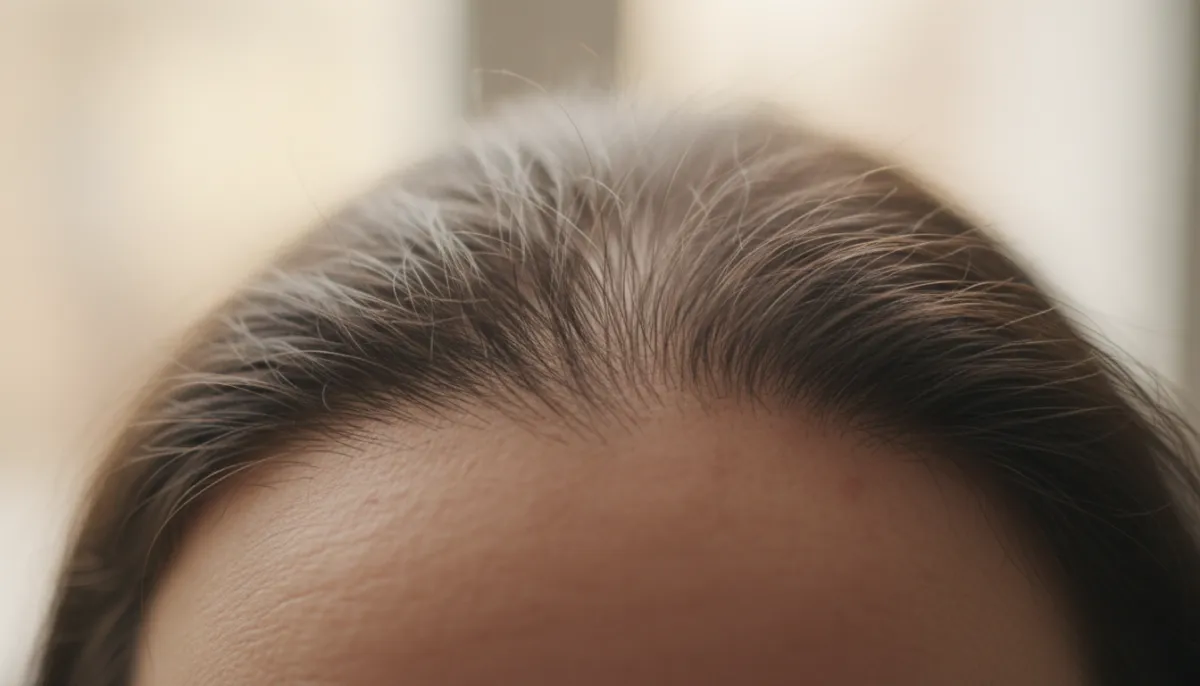
Topical Options: Shampoos, Serums, and Sprays
Topical treatments are often the first line of defense for those asking what to use for thinning hair. Modern formulations combine active ingredients that stimulate follicles, improve scalp circulation, and protect existing strands.
Key categories include:
- Hair growth shampoos – formulated with biotin, caffeine, or ketoconazole to cleanse while supporting follicle health.
- Serums and sprays – concentrated solutions containing minoxidil, peptides, or plant extracts that are applied directly to the scalp.
- Leave‑in conditioners – lightweight products that coat hair shafts, reducing breakage and giving the appearance of thicker hair.
Below is a comparison of popular topical choices, highlighting their main active ingredients and ideal use cases:
| Product Type | Key Active Ingredients | Best For |
|---|---|---|
| Best shampoo for thinning hair | Caffeine, Biotin, Zinc Pyrithione | Gentle daily use, mild shedding |
| Hair growth serum | Minoxidil 5 %, Peptides, Saw Palmetto | Visible thinning, early androgenetic alopecia |
| Nioxin shampoo | Niacin, Antioxidants, Botanicals | Fine hair texture, scalp irritation |
When selecting a product, look for clinically proven ingredients and avoid harsh sulfates that can strip natural oils. Consistency is crucial; most experts recommend applying a serum or spray twice daily for at least three months before evaluating results.
Oral Supplements and Medications
While topical products work on the surface, oral supplements address internal factors that contribute to hair thinning. Many users ask what to use for thinning hair beyond shampoos, and the answer often lies in a balanced regimen of vitamins, minerals, and prescription medications.
Commonly recommended supplements include:
- Biotin – supports keratin production and overall hair strength.
- Vitamin D – deficiency is linked to hair follicle cycling issues.
- Zinc – essential for cell growth and repair.
- Iron – especially important for women experiencing diffuse thinning.
Prescription options such as finasteride for hair loss (approved for men) and oral minoxidil have shown measurable regrowth in clinical trials. However, they require medical supervision due to potential side effects.
The table below outlines the primary benefits and typical dosages of popular oral options:
| Supplement/Medication | Primary Benefit | Typical Daily Dose |
|---|---|---|
| Biotin | Strengthens hair shaft | 5 mg |
| Vitamin D3 | Regulates hair follicle cycle | 2,000 IU |
| Finasteride (Prescription) | Blocks DHT production | 1 mg |
| Oral Minoxidil (Prescription) | Stimulates follicle proliferation | 2.5 mg |
Before starting any supplement, it’s advisable to have blood work done to identify deficiencies. A qualified professional can tailor a regimen that complements topical treatments and maximizes results.
Professional Procedures: Hair Transplant and Advanced Therapies
When over‑the‑counter solutions fall short, many wonder what to use for thinning hair at a clinical level. Professional interventions such as hair transplantation, platelet‑rich plasma (PRP), and low‑level laser therapy (LLLT) provide more dramatic and lasting outcomes for moderate to severe thinning.
Hair transplant techniques have evolved significantly. Follicular Unit Extraction (FUE) removes individual grafts with minimal scarring, while Direct‑to‑Hair (DTH) offers even higher density. These procedures are considered the gold standard for permanent restoration, especially for men with receding hairlines and women with localized bald spots.
Other advanced options include:
- PRP therapy – injects concentrated platelets to stimulate growth factors.
- Low‑level laser devices – use red light to improve blood flow and cellular activity.
- Scalp micropigmentation – creates the illusion of fuller hair through tiny pigment deposits.
Choosing a professional route requires a thorough evaluation by a qualified specialist. Factors such as donor hair availability, scalp laxity, and overall health determine the most suitable approach. While these treatments involve higher upfront costs, the long‑term benefits often outweigh the temporary nature of topical or oral solutions.
Lifestyle and Home Care Tips for Thicker‑Appearing Hair
Even the most advanced treatments work best when combined with healthy daily habits. Simple adjustments in grooming, nutrition, and stress management can enhance the effectiveness of the products you choose.
Practical tips include:
- Use a wide‑tooth comb or a brush with soft bristles to minimize breakage.
- Avoid heat styling tools above 180 °C and limit chemical treatments.
- Incorporate protein‑rich foods such as fish, eggs, and legumes.
- Stay hydrated; water supports cellular metabolism and scalp health.
- Practice stress‑relief techniques like meditation or yoga, as chronic stress can trigger telogen effluvium.
Additionally, consider a weekly scalp massage with a few drops of natural oils (e.g., rosemary or peppermint) to boost circulation. While these measures alone may not reverse severe thinning, they create an optimal environment for any hair growth products you are already using.
Why Choose Gold City Medical Center
Gold City Medical Center combines cutting‑edge medical expertise with a holistic approach to hair restoration. Our team of experienced dermatologists and surgeons offers personalized treatment plans that integrate proven hair loss treatments with advanced technologies such as FUE transplantation and PRP therapy. We prioritize patient safety, transparent communication, and measurable results, ensuring you receive the most effective solution for your thinning hair concerns.
Ready to take the next step toward fuller, healthier hair? Contact Gold City Medical Center today for a personalized consultation and discover the treatment plan that’s right for you.
FAQ
What are the best shampoos for thinning hair?
Shampoos containing caffeine, biotin, zinc pyrithione, or ketoconazole are among the most effective for thinning hair.
How do oral supplements help with hair thinning?
Oral supplements address nutritional deficiencies that can impede hair growth, such as biotin, vitamin D, zinc, and iron.
When should I consider a hair transplant?
A hair transplant is advisable when topical and oral treatments no longer provide noticeable improvement and you have stable donor hair.
What is PRP therapy and how does it work for hair loss?
PRP therapy injects concentrated platelets into the scalp to stimulate growth factors that promote hair follicle regeneration.
How can lifestyle changes improve hair thickness?
Healthy diet, stress management, gentle grooming, and scalp massage can create an optimal environment for hair growth.
What is the difference between androgenetic alopecia and telogen effluvium?
Androgenetic alopecia is a genetic, progressive thinning, while telogen effluvium is a temporary shedding caused by stress, illness, or medication.





