Ozone injection therapy is gaining attention as a minimally invasive option for a range of chronic conditions. By delivering a precise mixture of medical‑grade ozone gas directly into targeted tissues, the treatment aims to reduce inflammation, enhance oxygen metabolism, and stimulate the body’s natural healing processes. For patients seeking alternatives to long‑term medication or invasive surgery, understanding this approach is essential.
Recent surveys indicate that over 2,400 people search for ozone injection therapy each month, reflecting growing curiosity about its potential benefits. Whether you are dealing with persistent joint pain, vascular issues, or skin disorders, the therapy promises a holistic, integrative solution that aligns with modern wellness trends.
In this article we will explore the science behind the treatment, examine clinical evidence, discuss safety considerations, outline typical costs, and explain how Gold City Medical Center incorporates ozone injection therapy into its comprehensive care program. By the end, you will have a clear picture of whether this therapy fits your health goals.
What Is Ozone Injection Therapy?
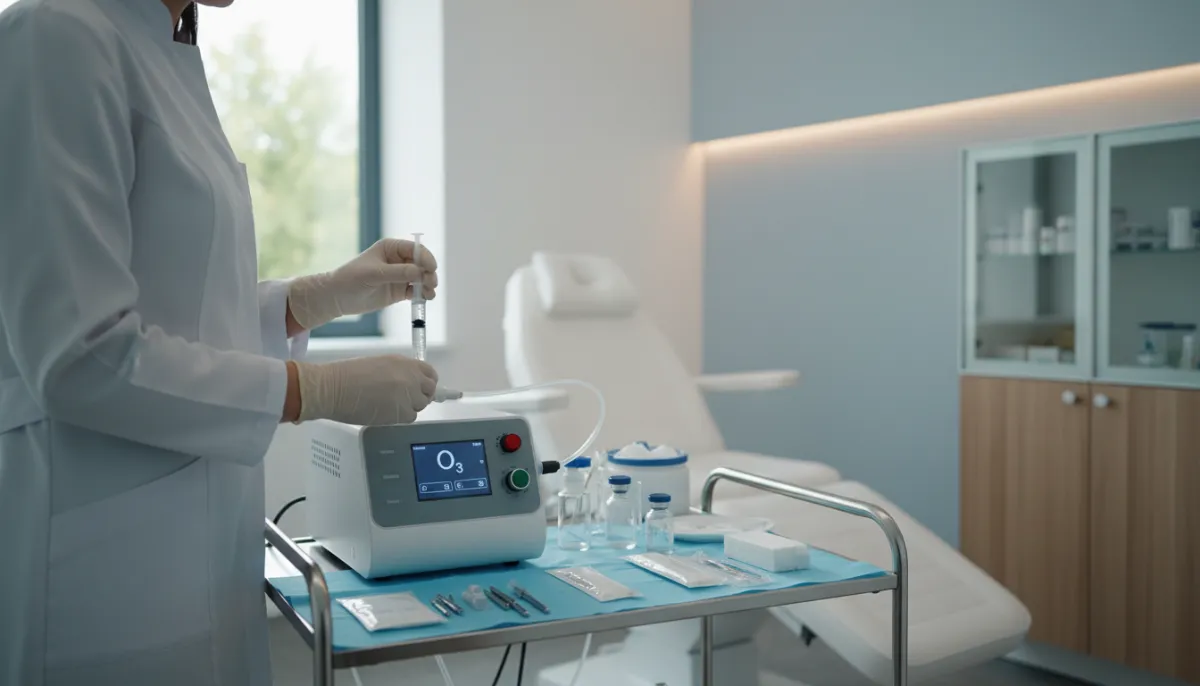
Ozone injection therapy involves the administration of a controlled dose of ozone (O₃) gas, mixed with a small volume of the patient’s own blood or saline, directly into the affected area. The procedure is performed in a clinical setting by trained professionals, ensuring precise concentration and volume.
Mechanism of Action
The therapeutic effects stem from three primary actions:
- Enhanced oxygen delivery to cells, improving metabolic activity.
- Modulation of the immune response, which helps reduce chronic inflammation.
- Activation of antioxidant pathways, protecting tissues from oxidative stress.
Procedure Overview
A typical session follows these steps:
- Medical evaluation and consent.
- Extraction of a small blood sample (for auto‑hemotherapy) or preparation of sterile saline.
- Mixing the blood or saline with medical‑grade ozone using a certified ozone generator.
- Injection of the ozonated mixture into the target tissue under aseptic conditions.
- Post‑procedure observation for a brief period.
Patients often report minimal discomfort, comparable to a standard injection. The entire process usually takes 20‑30 minutes.
| Aspect | Ozone Injection Therapy | Conventional Steroid Injection |
|---|---|---|
| Primary Goal | Boost oxygen metabolism & reduce inflammation | Suppress inflammation via corticosteroids |
| Duration of Effect | Weeks to months, depending on condition | Typically weeks |
| Side‑Effect Profile | Low; mild bruising or transient soreness | Potential tissue atrophy, systemic steroid effects |
| Repeatability | Can be repeated safely every 2‑4 weeks | Limited by cumulative steroid dose |
Benefits and Clinical Evidence
Advocates of ozone injection therapy highlight several potential advantages over traditional treatments. While research is ongoing, a growing body of clinical data supports its efficacy for specific indications.
Key Benefits
- Reduced pain in osteoarthritis, tendinopathies, and disc degeneration.
- Improved circulation in peripheral vascular disease.
- Accelerated wound healing, especially in diabetic foot ulcers.
- Enhanced immune modulation for chronic infections.
Studies published in peer‑reviewed journals have demonstrated statistically significant improvements in pain scores and functional outcomes for patients receiving ozone injections for knee osteoarthritis compared to placebo groups.
| Condition | Study Design | Outcome Measure | Result |
|---|---|---|---|
| Knee Osteoarthritis | Randomized Controlled Trial (n=120) | VAS Pain Score | 45% reduction vs 20% in placebo |
| Chronic Low Back Pain | Prospective Cohort (n=80) | Oswestry Disability Index | 30% improvement after 3 sessions |
| Diabetic Foot Ulcer | Case‑Series (n=25) | Healing Time | Median 6 weeks vs 12 weeks standard care |
Beyond pain relief, patients often experience a boost in overall vitality, which many attribute to the increased oxygenation of tissues. The therapy’s versatility also allows it to complement other modalities, such as physiotherapy or regenerative medicine, creating a synergistic treatment plan.
Safety, Side Effects, and Contraindications
When performed by qualified clinicians, ozone injection therapy is considered safe. The procedure uses medical‑grade ozone at concentrations that are therapeutic yet non‑toxic.
Common Side Effects
- Mild bruising or soreness at the injection site (usually resolves within 48 hours).
- Transient headache or dizziness in rare cases.
- Temporary increase in local inflammation, which often precedes improvement.
Serious Risks
Serious complications are uncommon but can include infection if aseptic technique is breached, or gas embolism when improperly administered. Strict adherence to protocols minimizes these risks.
Contraindications
Patients should avoid ozone injection therapy if they have any of the following:
- Severe uncontrolled hypertension.
- Active bleeding disorders or anticoagulant therapy that cannot be paused.
- Pregnancy (due to limited safety data).
- Known hypersensitivity to ozone.
Before starting treatment, a thorough medical assessment is essential to determine suitability and to tailor the ozone concentration to individual needs.
Cost, Accessibility, and What to Expect During Treatment
Understanding the financial aspect of ozone injection therapy helps patients make informed decisions. Costs can vary based on region, clinic facilities, and the number of sessions required.
Typical Pricing Structure
- Initial consultation: €80‑€120.
- Single ozone injection session: €150‑€250.
- Package of 3‑5 sessions (commonly recommended): €400‑€900.
Many clinics, including Gold City Medical Center, offer flexible payment plans and may accept health insurance for specific indications when a physician’s prescription is provided.
What to Expect on the Day of Treatment
- Check‑in and brief health questionnaire.
- Medical evaluation by a specialist to confirm the treatment plan.
- Preparation of the ozonated solution using a certified ozone generator.
- Injection performed under sterile conditions; most patients report only a brief prick.
- Post‑procedure observation (10‑15 minutes) before discharge.
Patients are advised to hydrate well, avoid strenuous activity for 24 hours, and monitor the injection site for any unusual signs. Follow‑up appointments are scheduled to assess progress and adjust the treatment protocol if needed.
Integrating Ozone Injection Therapy with Other Treatments at Gold City Medical Center
Gold City Medical Center adopts an integrative approach, combining ozone injection therapy with complementary services such as physiotherapy, regenerative medicine, and aesthetic procedures. This synergy can amplify results and address multiple health goals simultaneously.
Combined Treatment Plans
- Ozone + PRP (Platelet‑Rich Plasma): Enhances tissue regeneration for joint and tendon injuries.
- Ozone + Laser Therapy: Improves skin rejuvenation outcomes for patients seeking cosmetic enhancements.
- Ozone + Nutritional Counseling: Supports systemic healing by optimizing antioxidant intake.
Each plan is personalized after a comprehensive assessment, ensuring that the chosen modalities complement each other without causing adverse interactions. The multidisciplinary team collaborates closely, providing seamless coordination from the first consultation through follow‑up care.
Why Choose Gold City Medical Center for Ozone Injection Therapy
Gold City Medical Center combines state‑of‑the‑art technology with a patient‑centered philosophy. Our team of certified physicians and trained nurses follows strict protocols to ensure the highest safety standards for ozone injection therapy. With a focus on integrative health, we tailor each treatment to your unique needs, integrating complementary services when appropriate. Trust a center that values transparency, evidence‑based practice, and your long‑term well‑being.
Ready to explore how ozone injection therapy can enhance your health? Contact Gold City Medical Center today to schedule a personalized consultation and take the first step toward a revitalized you.
FAQ
What is ozone injection therapy and how does it work?
Ozone injection therapy involves injecting a controlled dose of medical‑grade ozone gas mixed with a small amount of the patient’s blood or saline directly into the affected tissue.
Which conditions can be treated with ozone injection therapy?
It is used for joint pain, tendon injuries, disc degeneration, peripheral vascular disease, diabetic foot ulcers, and chronic infections.
Is ozone injection therapy safe and what are the common side effects?
When administered by qualified clinicians it is safe; common side effects are mild bruising, soreness, or transient headache.
How much does ozone injection therapy cost and is it covered by insurance?
A single session ranges from €150‑€250; packages of 3‑5 sessions cost €400‑€900, and some insurers may cover it with a physician’s prescription.
How does ozone injection therapy compare to conventional steroid injections?
Ozone injections aim to boost oxygen metabolism and have a longer-lasting effect with fewer side‑effects, while steroids mainly suppress inflammation.
Can ozone injection therapy be combined with other treatments at Gold City Medical Center?
Yes, it is often integrated with PRP, laser therapy, physiotherapy, and nutritional counseling for synergistic results.





