Hypnosis for anxiety has become a recognized complementary approach for individuals seeking calm without heavy medication. In this article we explain how this technique works, the types of anxiety it can address, what a session looks like at Gold City Medical Center, and practical self‑hypnosis methods you can use at home. Recent surveys show that up to 30 % of adults experience heightened anxiety, and many are turning to non‑pharmacological options for sustainable relief.
Understanding the underlying mechanisms helps demystify the process and sets realistic expectations. We will explore the scientific basis, compare hypnosis with traditional treatments, and outline safety considerations. Whether you are curious about a single session or a structured program, this guide provides the information you need to make an informed decision.
By the end of this article you will know how hypnosis for anxiety can fit into an integrative health plan, what results you might expect, and how Gold City Medical Center supports you throughout the journey.
How Hypnosis Works to Reduce Anxiety
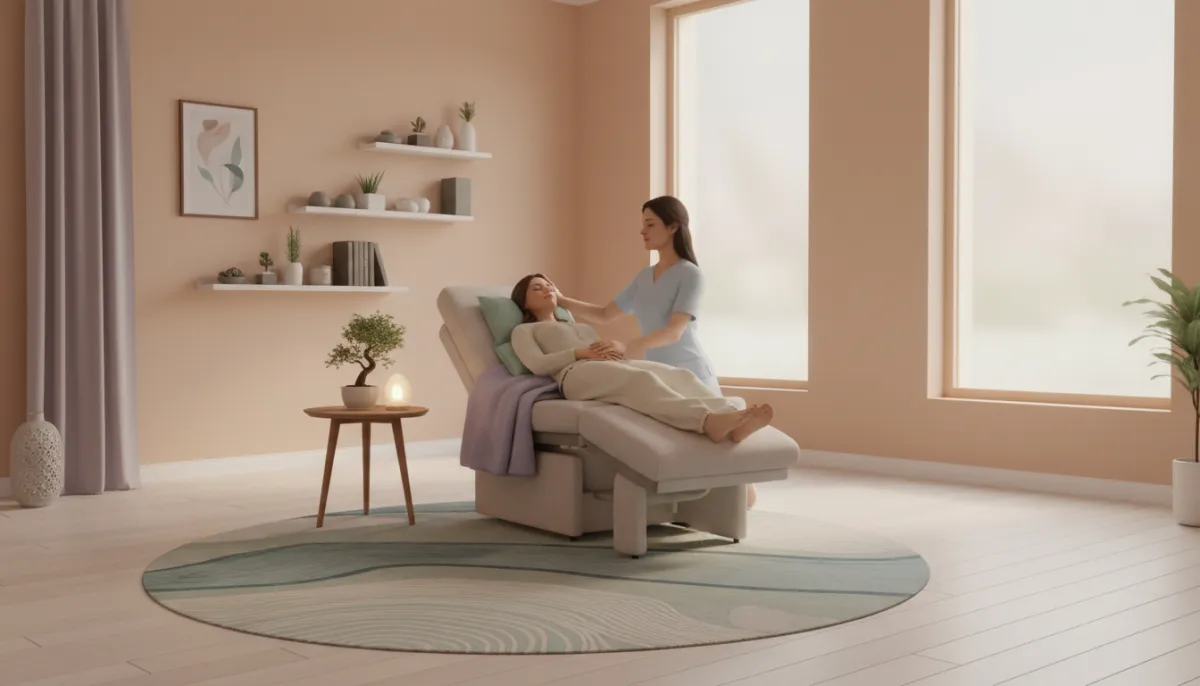
During a hypnosis session, a trained practitioner guides the client into a state of focused attention and deep relaxation, often described as a trance. In this state, the conscious mind becomes less dominant, allowing therapeutic suggestions to influence subconscious patterns that contribute to anxiety.
The Science Behind Hypnotic Suggestion
Neuroimaging studies reveal that hypnosis can modulate activity in the amygdala, the brain region responsible for fear responses, while enhancing connectivity in the prefrontal cortex, which governs emotional regulation. This neural shift supports the reduction of physiological symptoms such as rapid heartbeat and muscle tension.
Typical Session Flow
A standard hypnotherapy appointment includes:
- Initial consultation to assess anxiety triggers and medical history.
- Induction phase using breathing techniques and guided imagery.
- Deepening stage where the client reaches a more receptive trance.
- Therapeutic suggestion tailored to the individual’s anxiety patterns.
- Gradual emergence back to full awareness with post‑session debrief.
Most clients notice a measurable decrease in anxiety after 3‑5 sessions, though individual results vary.
Below is a comparison of hypnosis versus common medication for anxiety:
| Aspect | Hypnosis | Medication |
|---|---|---|
| Onset of relief | Within a single session | Weeks to months |
| Side effects | Minimal, non‑invasive | Possible drowsiness, weight gain |
| Long‑term sustainability | Skills learned for self‑management | Often requires ongoing prescription |
| Cost per session | €80‑€150 | Variable, ongoing expense |
While hypnosis is not a replacement for medication in severe cases, it serves as a valuable adjunct, especially for those preferring a holistic approach.
Common Anxiety Conditions Treated with Hypnosis
Hypnosis is versatile and can be adapted to a range of anxiety‑related issues. Below are the most frequently addressed conditions:
- Generalized Anxiety Disorder (GAD) – Persistent, excessive worry about everyday matters.
- Social Anxiety – Fear of judgment in social or performance settings.
- Panic Disorder – Sudden, intense episodes of fear accompanied by physical symptoms.
- Specific Phobias – Irrational fears of particular objects or situations, such as flying or spiders.
- Health‑Related Anxiety – Preoccupation with illness or medical procedures.
Each condition benefits from tailored hypnotic suggestions that re‑frame negative thought patterns, promote relaxation, and reinforce coping strategies. For example, a client with public‑speaking anxiety may receive imagery that visualizes confidence and calm during presentations.
Research indicates that clinical hypnosis can reduce symptom severity by up to 45 % in controlled trials, making it a compelling option for those seeking non‑pharmacological relief.
What to Expect During a Hypnosis Session at Gold City Medical Center
At Gold City Medical Center, our certified hypnotherapists follow a patient‑centered protocol designed to maximize comfort and efficacy.
Step‑by‑Step Overview
- Pre‑session questionnaire – You complete a confidential form detailing your anxiety history and goals.
- Personalized induction – The therapist uses breathing and progressive muscle relaxation to guide you into trance.
- Focused suggestion phase – Targeted language addresses your specific anxiety triggers.
- Re‑orientation – You are gently brought back to full awareness, with a brief discussion about the experience.
- Post‑session resources – You receive a handout with self‑hypnosis exercises and coping tips.
All sessions are conducted in a private, sound‑proof room to ensure confidentiality and minimal distractions. The average appointment lasts 45‑60 minutes, and most clients schedule weekly sessions initially.
Our approach integrates hypnosis therapy with other integrative health services when appropriate, providing a comprehensive plan that may include nutrition counseling or mindfulness training.
Self‑Hypnosis Techniques You Can Practice at Home
While professional sessions lay the groundwork, self‑hypnosis empowers you to reinforce progress between appointments. Here are three evidence‑based techniques you can incorporate into your daily routine.
1. The 4‑7‑8 Breathing Countdown
Inhale for a count of 4, hold for 7, exhale slowly for 8. Repeat three times while visualizing a safe place. This simple pattern activates the parasympathetic nervous system, easing tension.
2. Progressive Imagery Script
Close your eyes and imagine descending a staircase, each step deepening relaxation. At the bottom, picture a serene scene—like a beach or forest—where you repeat a calming affirmation such as “I am safe and in control.”
3. Anchor Word Technique
Choose a single word (e.g., “calm”). During a professional session, the therapist pairs this word with a deep relaxation cue. Later, you can trigger the same state by silently repeating the anchor word while breathing slowly.
Below is a quick reference table for daily practice:
| Technique | Duration | Frequency |
|---|---|---|
| 4‑7‑8 Breathing | 2‑3 minutes | Morning & evening |
| Progressive Imagery | 5‑10 minutes | Once daily |
| Anchor Word | 1‑2 minutes | During moments of stress |
Consistency is key. Even brief daily sessions can enhance the benefits of formal hypnotherapy and build resilience against anxiety triggers.
Safety, Effectiveness, and Frequently Asked Concerns
Potential clients often wonder about the safety and real‑world results of hypnosis for anxiety. Below we address the most common concerns.
Is hypnosis safe?
Yes. When performed by a qualified practitioner, hypnosis is non‑invasive and has no known adverse physical effects. It is contraindicated only for individuals with severe psychotic disorders, a condition our intake screening identifies.
How many sessions are needed?
Typical programs range from 4 to 8 sessions, depending on severity and individual response. Some clients experience noticeable relief after the first session, while others benefit from a longer course.
Can hypnosis replace medication?
For mild to moderate anxiety, hypnosis can be an effective alternative or complement to medication. Severe cases may still require pharmacological support, and our integrative approach coordinates with prescribing physicians when needed.
What about self‑hypnosis risks?
Self‑hypnosis is safe for most people. It is important to practice in a comfortable setting and avoid attempting deep trance while driving or operating machinery.
Overall, clinical evidence supports hypnosis as a credible therapeutic option, with success rates comparable to cognitive‑behavioral therapy in many studies. At Gold City Medical Center, we prioritize informed consent, thorough assessment, and ongoing monitoring to ensure optimal outcomes.
Why Choose Gold City Medical Center
Gold City Medical Center offers a holistic, patient‑focused environment where expertise in medical, cosmetic, and hair restoration services intersects with advanced mental‑wellness therapies. Our certified hypnotherapists collaborate with physicians to create individualized treatment plans that respect your unique health profile. With a reputation for professionalism and evidence‑based care, we provide a safe space for you to explore hypnosis as a pathway to lasting anxiety relief.
Ready to experience calm and confidence? Contact Gold City Medical Center today to schedule your initial consultation and discover how hypnosis for anxiety can transform your wellbeing.
Call us or fill out our online form – your journey to a calmer mind starts now.
FAQ
How does hypnosis reduce anxiety?
Hypnosis induces a deep relaxation state where therapeutic suggestions can re‑program subconscious anxiety patterns.
What can I expect during a hypnosis session at Gold City Medical Center?
A private, 45‑60 minute session with a pre‑questionnaire, induction, suggestion phase, re‑orientation, and post‑session resources.
Which anxiety disorders can be treated with hypnosis?
Generalized Anxiety Disorder, Social Anxiety, Panic Disorder, Specific Phobias, and Health‑Related Anxiety.
How many hypnosis sessions are typically needed for anxiety relief?
Most clients see improvement after 4‑8 sessions, though some notice benefits after a single session.
Is hypnosis safe for people with anxiety?
Yes, when performed by a qualified practitioner, hypnosis is non‑invasive and has no known adverse physical effects.
Can hypnosis replace medication for anxiety?
It can be an effective alternative or complement for mild‑to‑moderate anxiety, but severe cases may still need medication.
What are simple self‑hypnosis techniques I can use daily?
The 4‑7‑8 breathing countdown, progressive imagery script, and anchor word technique are easy daily practices.





