Niacinamide for skin has become a cornerstone of modern skincare, offering a blend of soothing, brightening, and anti‑aging effects that appeal to a wide range of skin types. In this article, we explore why this form of vitamin B3 is celebrated by dermatologists and beauty enthusiasts alike, and how it can be incorporated into a personalized routine. Recent surveys show that over 70 % of skincare users consider niacinamide a “must‑have” ingredient, yet many are unsure how to select the best product or apply it correctly.
We will break down the science behind niacinamide, highlight its key benefits, and provide practical guidance on choosing a serum that matches your skin’s needs. Whether you are battling acne, seeking a more even tone, or aiming to reduce fine lines, understanding the role of niacinamide for skin will help you make informed decisions and achieve lasting results.
Ready to unlock smoother, clearer, and more resilient skin? Let’s dive into the details, starting with how this remarkable ingredient works at the cellular level.
How Niacinamide Works on the Skin
At its core, niacinamide is the amide form of vitamin B3, a water‑soluble nutrient that penetrates the epidermis to support multiple skin functions. Once applied, it enhances the production of ceramides—lipid molecules that fortify the skin barrier and lock in moisture. A stronger barrier reduces transepidermal water loss, leading to improved hydration and a softer texture.
Beyond barrier repair, niacinamide modulates the activity of inflammatory mediators, which explains its calming effect on redness and irritation. By inhibiting the release of pro‑inflammatory cytokines, it helps soothe conditions such as rosacea and acne‑related inflammation.
Another crucial action is its ability to regulate melanin transfer within the skin. Niacinamide interferes with the movement of pigment‑carrying cells (melanosomes) to the surface, resulting in a gradual fading of hyperpigmentation and a more uniform complexion.
Finally, niacinamide stimulates the synthesis of proteins like collagen and elastin, which are essential for maintaining skin elasticity. This contributes to a reduction in fine lines and a firmer appearance over time.
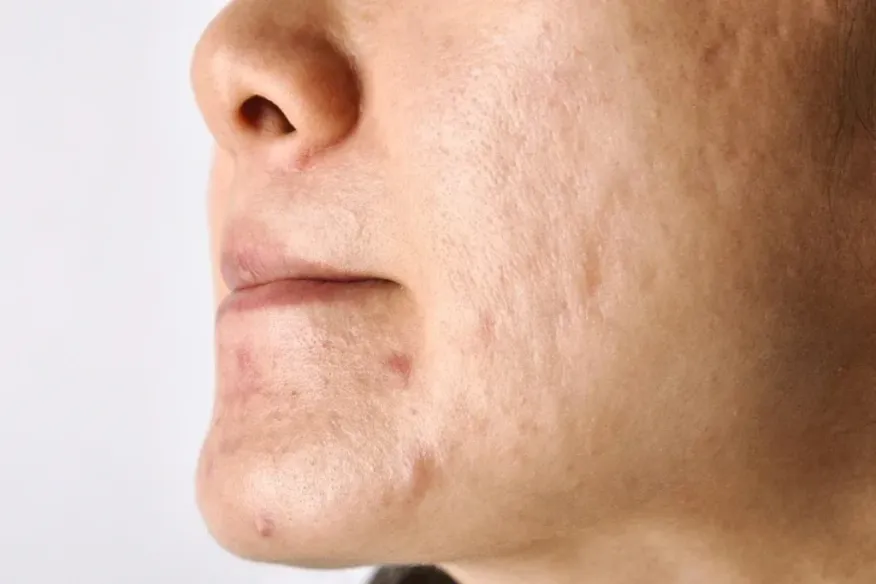
Key Benefits of Niacinamide for Skin Health
When incorporated into a daily regimen, niacinamide for skin delivers a suite of measurable advantages. Below is a concise overview of the most frequently reported benefits, supported by clinical research and user experience.
- Improved Barrier Function: Increases ceramide levels, leading to better moisture retention.
- Reduced Redness and Inflammation: Calms acne lesions and rosacea flare‑ups.
- Brightening Effect: Diminishes dark spots and evens out skin tone.
- Anti‑Aging Properties: Boosts collagen production and minimizes fine lines.
- Oil Regulation: Helps balance sebum production, making it suitable for both oily and dry skin.
Clinical studies have shown that a 5 % niacinamide formulation can reduce the appearance of hyperpigmentation by up to 30 % after eight weeks of consistent use. Moreover, its anti‑inflammatory properties make it a valuable ally for those struggling with acne, as it can decrease the number of inflammatory lesions without the dryness often associated with harsher acne treatments.
Beyond these primary outcomes, niacinamide also works synergistically with other ingredients. For example, when paired with zinc, it can further control oil production and enhance antimicrobial effects, a combination popularized by many “niacinamide + zinc” serums.
Choosing the Right Niacinamide Serum
Selecting a suitable product is essential to reap the full benefits of niacinamide for skin. While the ingredient itself is well‑tolerated, formulation variables such as concentration, pH, and complementary actives can influence efficacy and user experience.
Here are key factors to consider when evaluating a niacinamide serum:
| Factor | What to Look For | Why It Matters |
|---|---|---|
| Concentration | 5 %–10 % niacinamide | Provides measurable results without irritation for most skin types. |
| pH Level | Neutral to slightly acidic (pH 5‑7) | Ensures stability and optimal absorption. |
| Complementary Ingredients | Zinc, hyaluronic acid, vitamin C (separate step) | Enhances barrier repair, oil control, and brightening. |
| Packaging | Air‑tight pump or dark bottle | Prevents oxidation and preserves potency. |
Popular options include The Ordinary’s “Niacinamide 10 % + Zinc 1 %” formulation, which balances sebum control with brightening, and Paula’s Choice “10 % Niacinamide Booster,” praised for its lightweight texture. When reading the label, verify that niacinamide is listed among the first three ingredients, indicating an adequate concentration.
For individuals with sensitive skin, starting with a lower concentration (around 2 %–4 %) and gradually increasing can help gauge tolerance. It is also advisable to patch‑test any new product for at least 48 hours before full‑face application.
Incorporating Niacinamide into Your Skincare Routine
Integrating niacinamide for skin into an existing regimen is straightforward, but timing and layering matter for maximum benefit. Below is a step‑by‑step guide suitable for both morning and evening routines.
Morning Routine
- Cleanse: Use a gentle, pH‑balanced cleanser to remove impurities.
- Apply Toner (optional): Choose a hydrating toner if your skin feels tight.
- Niacinamide Serum: Dispense a few drops onto fingertips and smooth over the face, avoiding the eye area.
- Moisturizer: Follow with a moisturizer that contains ceramides or hyaluronic acid to lock in hydration.
- Sun Protection: Finish with a broad‑spectrum SPF 30+ sunscreen. Niacinamide does not increase photosensitivity, making it safe under sun exposure.
Evening Routine
- Double‑Cleanse: First, remove makeup with an oil‑based cleanser, then cleanse with a water‑based formula.
- Serum Layering: If using a vitamin C serum, apply it first (allow 5‑10 minutes for absorption), then follow with niacinamide. Recent studies suggest that sequential use does not diminish efficacy.
- Targeted Treatments: Apply any acne spot treatments after niacinamide if needed.
- Night Cream: Conclude with a richer night cream to support repair while you sleep.
Consistency is key; most users notice visible improvements after 4–6 weeks of regular use. Remember to store your serum in a cool, dry place to maintain its stability.
Potential Side Effects and Precautions
While niacinamide for skin is generally well‑tolerated, a small percentage of users may experience mild irritation, especially when combined with high concentrations of other active ingredients. Common side effects include temporary redness, tingling, or a slight burning sensation.
To minimize risk:
- Start with a lower concentration (2 %–4 %) and gradually increase.
- Avoid using niacinamide simultaneously with strong acids (e.g., high‑strength glycolic or salicylic acid) in the same step; instead, alternate mornings and evenings.
- Conduct a patch test on the inner forearm before full‑face application.
- Consult a dermatologist if you have a history of allergic reactions or severe skin conditions.
Pregnant or nursing individuals should also seek professional advice, though niacinamide is considered safe for most adults. If irritation persists beyond a week, discontinue use and seek medical guidance.
Why Choose Gold City Medical Center
Gold City Medical Center combines cutting‑edge medical expertise with a holistic approach to beauty and wellness. Our team of certified dermatologists and aesthetic specialists tailors treatment plans that integrate proven ingredients such as niacinamide, ensuring safe and effective results. Whether you seek professional skin assessments, personalized skincare protocols, or advanced cosmetic procedures, we prioritize your health, comfort, and long‑term satisfaction.
Ready to experience the transformative power of niacinamide for skin? Contact Gold City Medical Center today to schedule a personalized skin analysis and discover the perfect regimen for your unique needs.
Take the first step toward clearer, brighter, and healthier skin—book your appointment now.
FAQ
What does niacinamide do for the skin?
Niacinamide strengthens the skin barrier, reduces inflammation, brightens dark spots, and supports collagen production.
How does niacinamide improve skin barrier function?
It increases ceramide levels, which fortify the barrier and reduce water loss.
Can niacinamide reduce acne and redness?
Yes, it calms inflammation and regulates oil production, helping to clear acne and lessen redness.
What concentration of niacinamide is best for beginners?
Start with 2‑4 % and work up to 5‑10 % as tolerance allows.
How should I layer niacinamide with other actives like vitamin C?
Apply vitamin C first, wait 5‑10 minutes, then add niacinamide; they can be used together safely.
Are there any side effects or precautions when using niacinamide?
Side effects are rare but can include mild redness or tingling; start low and patch‑test.

