When it comes to maintaining a smooth, youthful complexion, anti wrinkle cream remains one of the most sought‑after solutions. In this guide we’ll explore how these products function, which ingredients deliver real results, and how to integrate them into a comprehensive skin‑care routine.
According to dermatological surveys, over 70% of adults over 35 notice the first signs of fine lines, yet many remain uncertain about the best approach to address them. Understanding the science behind wrinkle reduction empowers you to select a product that truly works, rather than relying on marketing hype.
We’ll walk through the mechanisms that drive collagen synthesis, compare popular formulas, and provide practical tips for maximizing efficacy. Whether you’re a beginner curious about “what is a good anti wrinkle cream” or a seasoned user looking to fine‑tune your regimen, this article offers clear, evidence‑based guidance.
How Anti Wrinkle Cream Works – The Science Behind It
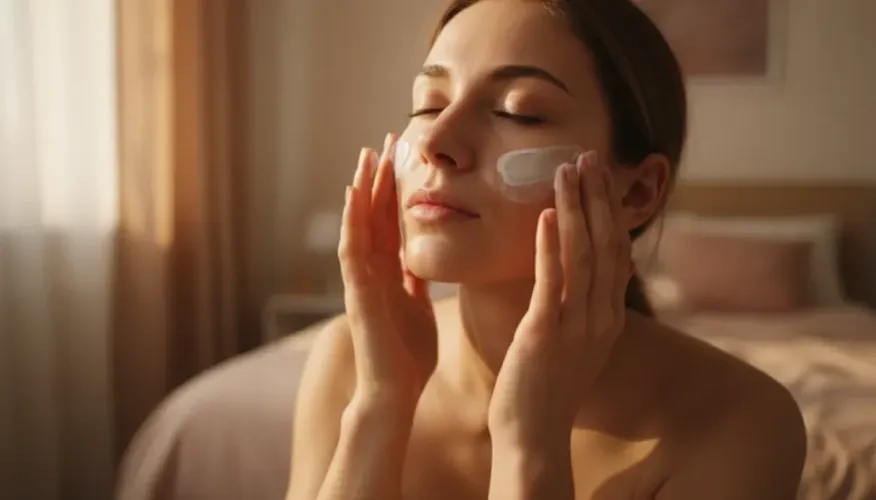
Modern anti wrinkle creams target the skin’s structural proteins, primarily collagen and elastin. As we age, the production of these proteins slows, leading to reduced firmness and the emergence of lines. Most effective formulas contain active agents that either stimulate new collagen formation or protect existing fibers from degradation.
Key pathways include:
- Retinoids (e.g., retinol) that bind to nuclear receptors, enhancing gene expression for collagen synthesis.
- Peptide complexes that mimic the body’s own signaling molecules, prompting fibroblasts to rebuild the extracellular matrix.
- Antioxidants such as vitamin C and ferulic acid that neutralize free radicals, a major cause of collagen breakdown.
By addressing both production and protection, these ingredients create a synergistic effect that smooths fine lines and improves overall texture. Clinical studies have shown that consistent use of a well‑formulated anti aging cream can reduce wrinkle depth by up to 30% after 12 weeks.
In addition to the core actives, many products incorporate hydrating agents like hyaluronic acid, which plumps the skin surface, making wrinkles appear less pronounced. This dual action—structural reinforcement plus surface hydration—makes anti wrinkle cream a cornerstone of anti aging skin care routines.
Key Ingredients to Look For – From Retinol to Peptides
Choosing the right product begins with understanding the ingredients that drive results. Below is a concise table summarizing the most effective actives and their primary benefits.
| Ingredient | Primary Benefit | Typical Concentration |
|---|---|---|
| Retinol (Vitamin A) | Stimulates collagen production, improves skin turnover | 0.25%–1% |
| Peptide Complexes (e.g., Matrixyl, Argireline) | Signals fibroblasts to rebuild elastin and collagen | 5%–10% |
| Vitamin C (Ascorbic Acid) | Antioxidant protection, brightens skin tone | 10%–20% |
| Hyaluronic Acid | Deep hydration, surface plumping | 1%–2% |
| Niacinamide (Vitamin B3) | Improves barrier function, reduces redness | 2%–5% |
When evaluating a product, look for clear labeling of these actives. Some brands market “particle” technologies, but unless they are coupled with proven actives like the ones listed above, the claim often adds little value. For men seeking a streamlined routine, “best anti wrinkle cream for men” typically emphasizes a lightweight texture while retaining the same key ingredients.
In addition to the core actives, you may encounter “botox in a bottle” claims. While certain peptide blends can provide a mild muscle‑relaxing effect, they are not a true substitute for injectable Botox. Instead, think of them as a complementary approach for subtle smoothing.
Choosing the Right Formula for Your Skin Type
Not all anti wrinkle creams are created equal, and selecting a formula that aligns with your skin’s needs is essential for both efficacy and tolerance. Below is a quick guide to match product texture and ingredient concentration with common skin profiles.
- Dry Skin: Opt for richer, emulsion‑based creams that contain higher levels of hyaluronic acid, ceramides, and nourishing oils. Look for “best moisturizer for mature skin” tags.
- Oily or Combination Skin: Choose lightweight, gel‑type formulas with oil‑free bases. Ingredients like niacinamide help regulate sebum while still delivering anti‑aging benefits.
- Sensitive Skin: Seek products with minimal fragrance and lower retinol percentages (0.25% or less). Peptide‑only or vitamin C‑focused options can provide gentle yet effective results.
Beyond texture, consider the presence of “wrinkle sunscreen” components. Many modern creams incorporate broad‑spectrum SPF, merging daily protection with anti‑aging treatment—an efficient way to guard against UV‑induced collagen loss.
When evaluating “best anti wrinkle cream” rankings, prioritize formulations that balance potency with tolerability. A product that causes irritation will compromise the skin barrier, negating any long‑term benefits.
Application Tips and Common Mistakes
Even the most advanced anti wrinkle cream will underperform if applied incorrectly. Follow these evidence‑based steps to maximize absorption:
- Start with a clean, slightly damp face. Moisture enhances the skin’s permeability.
- Dispense a pea‑size amount; more product does not equal better results and can increase irritation.
- Apply using gentle upward strokes, focusing on areas where fine lines appear—forehead, corners of the eyes, and around the mouth.
- Allow the cream to fully absorb (2–3 minutes) before layering additional products like serums or sunscreen.
- Use consistently, ideally twice daily, to maintain steady collagen stimulation.
Common pitfalls include:
- Skipping Nighttime Use: Collagen synthesis peaks during sleep; neglecting evening application reduces overall benefit.
- Over‑Exfoliating: Excessive exfoliation can thin the skin barrier, making it more susceptible to irritation from active ingredients.
- Ignoring Sun Protection: UV exposure accelerates wrinkle formation, nullifying the gains from your cream.
Remember that “anti aging moisturizer” and “anti wrinkle cream” are often combined in a single product. If your chosen cream does not contain SPF, pair it with a dedicated “wrinkle sunscreen” to protect your results.
When to Start Using Anti Wrinkle Cream and Expected Results
One of the most frequent questions is “when should I start using anti wrinkle cream?” Research indicates that initiating a preventive routine in the early 30s can delay the onset of deeper wrinkles. However, it’s never too late to see improvement; even individuals in their 50s experience measurable smoothing with consistent use.
Typical timelines:
- Weeks 0–4: Skin feels smoother due to increased hydration; subtle brightening may be noticeable.
- Weeks 4–8: Collagen‑stimulating actives begin to remodel the dermal matrix, leading to visible reduction in fine lines.
- Weeks 8–12: Most users report a 20‑30% decrease in wrinkle depth and improved overall elasticity.
Patience is key; results vary based on ingredient potency, skin type, and adherence. Pairing the cream with complementary anti aging skin care steps—such as regular exfoliation and sun protection—optimizes outcomes.
For those seeking a “best anti wrinkle serum” to boost their regimen, consider layering a serum with higher concentrations of peptides beneath your cream. This approach can accelerate visible improvements while still maintaining the protective barrier of the moisturizer.
Why Choose Gold City Medical Center
Gold City Medical Center combines medical expertise with cutting‑edge cosmetic technology, offering personalized skin‑care solutions that go beyond over‑the‑counter products. Our integrative approach ensures that every anti‑wrinkle protocol is tailored to your unique skin physiology, backed by professional assessment and ongoing support. Trust a center that blends aesthetic excellence with medically‑validated results.
Ready to experience smoother, younger‑looking skin? Contact Gold City Medical Center today to schedule a personalized skin assessment and discover the anti wrinkle cream regimen that’s right for you.
FAQ
How does anti wrinkle cream work?
It stimulates collagen and elastin production while protecting existing fibers from degradation.
What are the key ingredients to look for in an anti wrinkle cream?
Retinol, peptide complexes, vitamin C, hyaluronic acid, and niacinamide are the most effective actives.
How should I choose the right anti wrinkle cream for my skin type?
Match texture and actives to your skin’s needs: richer creams for dry skin, lightweight gels for oily skin, and low‑irritant formulas for sensitive skin.
What are the best application tips for anti wrinkle cream?
Apply to a clean, slightly damp face using a pea‑size amount, upward strokes, and allow 2‑3 minutes for absorption before other products.
When should I start using anti wrinkle cream and how long to see results?
Begin in the early 30s for prevention; most users notice visible improvement after 8‑12 weeks of consistent use.
Can anti wrinkle cream replace Botox?
No, creams can provide mild smoothing but cannot replicate the muscle‑relaxing effect of injectable Botox.
Does an anti wrinkle cream need sunscreen?
Yes, many modern creams include SPF, but if yours doesn’t, pair it with a dedicated wrinkle sunscreen.

