Understanding contact dermatitis symptoms is the first step toward effective relief and long‑term skin health. This common skin condition can appear after exposure to everyday substances, leaving many people puzzled by sudden rashes, itching, or redness. In fact, up to 20% of adults experience some form of contact dermatitis during their lifetime, making awareness crucial.
In this article we will explore what triggers the condition, describe the typical rash and skin changes you might notice, explain how healthcare professionals diagnose it, and outline proven treatment and prevention strategies. Whether you are dealing with an occasional flare‑up or persistent irritation, the information below will help you identify the problem early and seek appropriate care.
By recognizing the early warning signs, you can reduce discomfort, avoid complications, and protect your skin from future reactions. Let’s dive into the details of contact dermatitis and learn how to keep your skin calm and healthy.
What Triggers Contact Dermatitis?
Contact dermatitis occurs when the skin comes into direct contact with an irritant or an allergen. The two main categories are allergic contact dermatitis and irritant contact dermatitis. Both can produce a rash, but the underlying mechanisms differ.
Allergic dermatitis contact develops when the immune system becomes sensitized to a specific substance, such as nickel, fragrance compounds, or certain preservatives. After the initial sensitization period, even minimal exposure can trigger a reaction.
In contrast, irritant contact dermatitis results from direct damage to the skin barrier by chemicals, detergents, or prolonged moisture. This type does not involve an immune response and can affect anyone if the exposure is strong enough.
Common triggers include:
- Cosmetics and personal care products containing fragrances or preservatives
- Metal objects like jewelry made of nickel or cobalt
- Cleaning agents, solvents, and disinfectants
- Plants such as poison ivy, poison oak, or sumac
- Latex gloves and medical tapes
- Frequent hand washing or wet work that strips natural oils
Identifying the offending agent is essential for effective management. Keeping a diary of exposures and symptoms can help pinpoint the cause, especially when multiple products are involved.
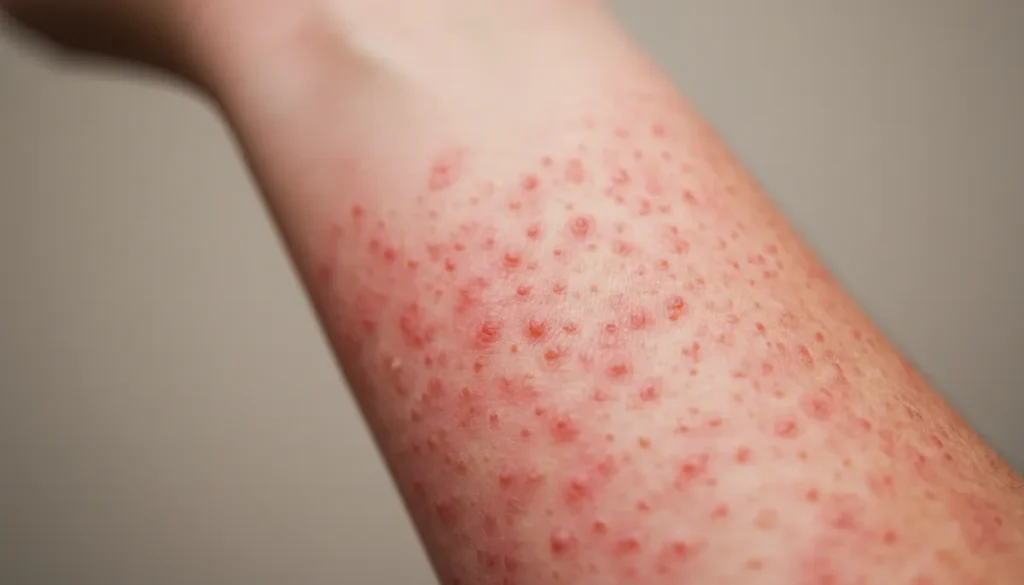
Typical Symptoms and How They Appear
The hallmark of contact dermatitis rash is a localized skin reaction that can vary in intensity. Symptoms often develop within minutes to days after exposure, depending on whether the reaction is irritant or allergic.
Key contact dermatitis symptoms include:
- Redness (erythema) that may spread outward from the point of contact
- Itching or burning sensation, sometimes intense
- Swelling or edema, especially on thinner skin areas
- Small blisters or vesicles that may ooze clear fluid
- Dry, scaly patches once the rash begins to heal
- Thickened skin (lichenification) with chronic exposure
These manifestations can affect any part of the body, but common sites are the hands, face, neck, and areas that frequently touch irritants. For example, a person who wears a nickel bracelet may develop a well‑defined red patch on the wrist, while a healthcare worker using harsh disinfectants might notice a widespread rash on the hands.
Below is a quick comparison of allergic versus irritant presentations:
| Feature | Allergic Contact Dermatitis | Irritant Contact Dermatitis |
|---|---|---|
| Onset | Hours to days after exposure | Minutes to hours |
| Distribution | Well‑defined, often symmetric | Often irregular, limited to contact area |
| Intensity | May be severe with itching | Usually milder, burning more common |
| Re‑exposure | Rapid, exaggerated response | Similar or slightly worse reaction |
Recognizing these patterns helps differentiate contact dermatitis from other skin eruptions such as eczema, psoriasis, or fungal infections.
Diagnosing Contact Dermatitis: When to Seek Professional Help
While many mild cases resolve with self‑care, persistent or worsening rashes warrant a medical evaluation. Dermatologists use a combination of visual inspection, patient history, and specific tests to confirm the diagnosis.
Key steps in the diagnostic process include:
- Clinical examination: The physician assesses the shape, distribution, and characteristics of the rash.
- Patch testing: Small amounts of potential allergens are applied to the skin under occlusion for 48 hours. Reactions are read at 48 and 72 hours to identify sensitizing agents.
- Skin biopsy (rarely needed): A tiny tissue sample may be taken to rule out other conditions such as psoriasis or cutaneous lymphoma.
- Exposure history: Detailed questioning about recent products, work environment, and hobbies helps pinpoint triggers.
Early diagnosis is important because untreated contact dermatitis can lead to secondary infections, chronic skin changes, and significant discomfort. If you notice any of the following, schedule an appointment promptly:
- Rapid spreading of redness or swelling
- Severe pain, fever, or pus formation
- Persistent itching that disrupts sleep
- Rash that does not improve after two weeks of home care
Gold City Medical Center offers comprehensive dermatology services, including patch testing and personalized treatment plans, to ensure accurate diagnosis and effective management.
Managing and Treating Contact Dermatitis
Effective treatment focuses on relieving symptoms, restoring the skin barrier, and eliminating the offending agent. The approach varies based on severity and whether the dermatitis is allergic or irritant.
Common contact dermatitis treatment options include:
- Topical steroids: Low‑ to medium‑strength corticosteroid creams reduce inflammation and itching. They should be applied sparingly and for the shortest duration necessary.
- Calcineurin inhibitors (e.g., tacrolimus): Useful for sensitive areas like the face where steroids may cause thinning.
- Moisturizers and barrier creams: Thick emollients such as petrolatum or ceramide‑rich creams help repair the skin’s protective layer.
- Antihistamines: Oral antihistamines can alleviate itching, especially at night.
- Avoidance strategies: Identifying and eliminating the trigger is essential to prevent recurrence.
For severe cases, short courses of oral corticosteroids may be prescribed, but these are used cautiously due to potential side effects. In cases of secondary bacterial infection, topical or oral antibiotics become necessary.
Patients often wonder how long contact dermatitis symptoms last. With proper treatment, most acute rashes improve within 1‑2 weeks, while chronic or repeatedly exposed skin may take longer to heal.
Gold City Medical Center’s integrative approach combines evidence‑based medication with personalized skin‑care counseling, ensuring a balanced plan that addresses both immediate relief and long‑term skin health.
Preventing Future Flare‑Ups
Prevention is the most sustainable way to keep contact dermatitis at bay. Simple lifestyle adjustments can dramatically reduce the risk of recurring rashes.
Key preventive measures:
- Identify triggers: Use patch test results or personal observation to create a list of substances to avoid.
- Protect the skin: Wear gloves made of nitrile (instead of latex) when handling chemicals or cleaning agents.
- Choose gentle products: Opt for fragrance‑free, dye‑free soaps, detergents, and cosmetics.
- Maintain skin hydration: Apply a moisturizer immediately after washing while the skin is still damp.
- Practice safe hand hygiene: Use mild, pH‑balanced cleansers and limit the use of alcohol‑based sanitizers when possible.
Regular follow‑up appointments allow clinicians to monitor skin condition, adjust treatment, and reinforce avoidance strategies. By staying proactive, you can minimize the impact of contact dermatitis on daily life.
Why Choose Gold City Medical Center
Gold City Medical Center combines state‑of‑the‑art medical technology with a holistic approach to skin health. Our experienced dermatology team offers precise diagnostics, including patch testing, and tailors treatment plans that integrate medical, cosmetic, and wellness expertise. Whether you need relief from an acute rash or long‑term management of chronic dermatitis, we provide compassionate care in a modern, patient‑focused environment.
Ready to regain comfortable, healthy skin? Contact Gold City Medical Center today to schedule a comprehensive dermatology consultation. Our specialists are here to diagnose, treat, and guide you toward lasting relief.
FAQ
What are the common triggers of contact dermatitis?
Common triggers include fragrances, preservatives, nickel, cobalt, cleaning agents, solvents, disinfectants, poison ivy, latex gloves, and frequent hand washing.
How can I differentiate allergic from irritant contact dermatitis?
Allergic dermatitis usually appears hours to days after exposure and is often symmetric, while irritant dermatitis develops minutes to hours and is limited to the contact area.
What symptoms indicate I should see a dermatologist for contact dermatitis?
Seek professional help if the rash spreads rapidly, is painful, develops fever or pus, persists beyond two weeks, or severely disrupts sleep.
What treatment options are available for contact dermatitis?
Treatments include topical steroids, calcineurin inhibitors, moisturizers, antihistamines, avoidance of triggers, and, in severe cases, oral steroids or antibiotics.
How can I prevent future flare‑ups of contact dermatitis?
Prevention involves identifying triggers, using protective gloves, choosing fragrance‑free products, keeping skin hydrated, and practicing gentle hand hygiene.
What is patch testing and how does it help diagnose contact dermatitis?
Patch testing applies small amounts of potential allergens to the skin for 48‑72 hours to identify specific substances causing an allergic reaction.
Are moisturizers effective in managing contact dermatitis?
Yes, moisturizers restore the skin barrier, reduce dryness, and can lessen the severity and frequency of dermatitis flare‑ups.





