Many people wonder how long does hair regrowth take after experiencing loss due to stress, medication, or a medical condition. The answer is not one‑size‑fits‑all; it depends on the cause of loss, individual biology, and the type of treatment chosen. In this article we will explore the typical phases of hair growth, the key factors that speed up or slow down recovery, and practical steps you can take to support a healthy regrowth process. According to dermatological studies, visible improvement usually begins within three to six months, but full results can take up to a year or longer.
Understanding the underlying mechanisms helps set realistic expectations and prevents frustration. Whether you are dealing with telogen effluvium after a stressful event, thinning after chemotherapy, or gradual loss due to genetics, knowing the timeline empowers you to choose the right hair growth products and professional interventions.
We will break down the science of hair follicles, compare popular treatments, and provide actionable tips to maximize your results. Let’s begin the journey toward healthier, fuller hair.
The Science of Hair Growth Cycles
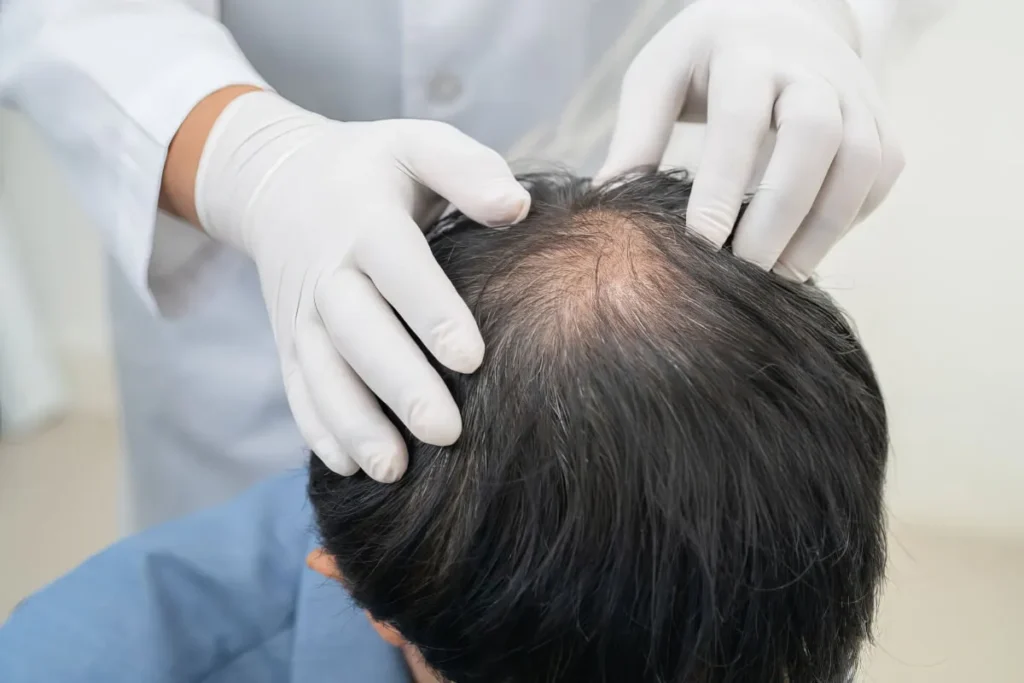
Hair grows in a repeating pattern known as the hair growth cycle, which consists of three main phases: anagen (growth), catagen (transition), and telogen (rest). On average, the anagen phase lasts 2‑6 years, determining the maximum length a strand can achieve. The telogen phase typically lasts 2‑3 months, after which the hair sheds and a new follicle enters the anagen phase.
When a disruptive event—such as severe stress, hormonal changes, or chemotherapy—pushes a large number of follicles into telogen, a condition called telogen effluvium occurs. In this state, the hair appears thinner, and the regrowth timeline is dictated by how quickly follicles re‑enter anagen. Most patients notice initial shedding stop within 6‑12 weeks, followed by gradual regrowth.
- Anagen: Active growth; hair lengthens.
- Catagen: Short transitional phase; follicle shrinks.
- Telogen: Resting phase; hair eventually falls out.
Understanding these phases clarifies why the answer to “how long does hair regrowth take” varies. If the follicles remain healthy, they can resume growth quickly; if the follicle structure is damaged, recovery may be slower or require medical assistance.
Key Factors That Influence Regrowth Speed
Several variables affect how quickly hair returns after loss. Recognizing these can help you tailor your approach and answer the central question, “how long does hair regrowth take,” with greater precision.
Age and Genetics
Older individuals naturally experience a shorter anagen phase, which can extend the overall regrowth timeline. Genetic predisposition also determines baseline follicle density and resilience, influencing how fast new hairs emerge.
Nutrition and Lifestyle
Essential nutrients—such as biotin, zinc, iron, and omega‑3 fatty acids—support follicle health. A balanced diet combined with regular exercise improves circulation, delivering oxygen and nutrients to the scalp.
Medical Conditions and Medications
Conditions like thyroid disorders, autoimmune diseases, and hormonal imbalances can delay regrowth. Certain medications, including anticoagulants and retinoids, may also prolong the telogen phase.
Hair Care Practices
Harsh styling, excessive heat, and tight hairstyles can cause mechanical damage, slowing the recovery process. Gentle handling and the use of mild, sulfate‑free shampoos are recommended.
| Factor | Impact on Regrowth Timeline |
|---|---|
| Age (over 50) | May add 3‑6 months to visible regrowth |
| Iron deficiency | Can delay initial growth by 2‑4 months |
| Stress‑induced telogen effluvium | Typical regrowth starts at 3 months, full density by 9‑12 months |
| Post‑chemotherapy | Initial regrowth often seen at 4‑6 months, full recovery up to 18 months |
Effective Treatments and Their Expected Timelines
When natural recovery is slow, medical and cosmetic interventions can accelerate the process. Below we outline common options and the typical timeframes associated with each, helping you answer “how long does hair regrowth take” for specific treatments.
Topical Minoxidil
Minoxidil, available over the counter, widens blood vessels in the scalp, enhancing nutrient delivery. Clinical studies show visible thickening after 12‑16 weeks, with optimal results at 6‑12 months.
Finasteride (Oral)
Finasteride blocks the conversion of testosterone to dihydrotestosterone (DHT), a major cause of male pattern baldness. Patients often notice reduced shedding within 2‑3 months and measurable regrowth after 6‑9 months.
Platelet‑Rich Plasma (PRP) Therapy
PRP involves injecting concentrated platelets from your own blood into the scalp to stimulate follicle activity. Most protocols recommend three sessions spaced a month apart, with noticeable density improvements after 4‑6 months.
Hair Transplant Surgery
For permanent restoration, follicular unit extraction (FUE) or strip harvesting relocates healthy follicles. Transplanted hairs typically shed within 2‑3 weeks, then enter a new growth cycle. New hair usually emerges at 3‑4 months, with full maturity reached at 12‑18 months.
- Minoxidil: 3‑4 months for early signs, 6‑12 months for full effect.
- Finasteride: 2‑3 months for reduced loss, 6‑9 months for regrowth.
- PRP: 4‑6 months for noticeable thickening.
- Hair transplant: 3‑4 months for first growth, up to 18 months for final result.
Choosing the right approach depends on the cause of loss, budget, and personal preferences. Combining treatments—such as minoxidil with PRP—can sometimes shorten the overall timeline.
Managing Expectations: What Realistic Progress Looks Like
Even with optimal treatment, patience is essential. Understanding the typical milestones helps keep expectations realistic and reduces anxiety during the journey.
First 1‑3 Months
Most patients experience a shedding phase as old hairs fall out to make room for new growth. This is a normal part of the cycle and should not be mistaken for treatment failure.
3‑6 Months
Fine, often lighter hairs begin to appear. These “peach fuzz” strands gradually thicken and darken over the next few weeks.
6‑12 Months
Significant density improvement becomes noticeable. The hair may still be slightly finer than natural thickness, but the overall coverage is substantially better.
Beyond 12 Months
For most medical therapies, the final result stabilizes. Maintenance regimens—such as continued minoxidil use—are recommended to preserve gains.
Answering the original query, the timeline can be summarized as follows:
- Initial shedding: 0‑3 months
- Early regrowth (visible strands): 3‑6 months
- Noticeable density: 6‑12 months
- Full maturation: 12‑18 months (or longer for severe cases)
Supporting Hair Regrowth Naturally
While medical treatments accelerate results, everyday habits can complement them and possibly shorten the period answered by “how long does hair regrowth take.”
Scalp Massage and Microneedling
Gentle scalp massage increases blood flow, delivering oxygen and nutrients. Microneedling devices create micro‑channels that enhance absorption of topical agents like minoxidil.
Stress Management
Chronic stress elevates cortisol, which can push follicles into telogen. Techniques such as mindfulness, yoga, and regular exercise help maintain hormonal balance.
Supplements
Evidence supports the use of biotin, vitamin D, and marine collagen for supporting hair structure. However, supplements should complement—not replace—medical advice.
| Natural Support | Suggested Frequency | Potential Benefit |
|---|---|---|
| Scalp massage (5‑10 min) | Daily | Improved circulation, stimulates follicles |
| Microneedling (0.5 mm) | Weekly | Enhanced topical absorption, collagen induction |
| Biotin supplement (5 000 µg) | Daily | Supports keratin production |
| Stress‑relief practice | 30 min/day | Reduces cortisol‑induced telogen shift |
Integrating these habits with professional care creates a comprehensive plan that can make the regrowth journey smoother and potentially faster.
Why Choose Gold City Medical Center
Gold City Medical Center combines advanced medical expertise with a holistic approach to hair restoration. Our team of certified dermatologists and hair transplant surgeons tailors each treatment to your unique condition, whether you are dealing with telogen effluvium, androgenetic alopecia, or post‑chemotherapy thinning. We utilize state‑of‑the‑art technologies such as PRP, FUE hair transplantation, and personalized nutrition plans, ensuring optimal results and a comfortable patient experience. Trust a center that integrates medical science, aesthetic excellence, and compassionate care.
Ready to start your hair regrowth journey? Contact Gold City Medical Center today for a personalized consultation and discover the most effective pathway to fuller, healthier hair.
FAQ
How long does hair regrowth take after telogen effluvium?
Visible regrowth usually starts within 3 months, with full density reaching 9‑12 months.
What factors affect the speed of hair regrowth?
Age, genetics, nutrition, medical conditions, medications, and hair‑care practices all influence regrowth speed.
How soon can I see results with minoxidil?
Early signs appear after 12‑16 weeks; optimal results are usually seen at 6‑12 months.
What is the typical timeline for hair transplant growth?
Transplanted hairs shed in 2‑3 weeks, new growth appears at 3‑4 months, and full maturity is reached by 12‑18 months.
Can nutrition speed up hair regrowth?
A balanced diet rich in biotin, iron, zinc, and omega‑3s can support faster and healthier regrowth.
How does PRP therapy influence the hair regrowth timeline?
PRP typically shows noticeable density improvements after 4‑6 months of treatment.
What should I expect during the first few months of treatment?
Initial shedding, followed by fine new hairs, then gradual thickening over 6‑12 months.
Does stress impact hair regrowth time?
Yes, chronic stress can prolong the telogen phase and delay regrowth.





