Mild psoriasis is a common, chronic skin condition that affects millions worldwide, yet many people underestimate its impact. While the plaques are often less extensive than in severe forms, the visible lesions can still cause discomfort and affect confidence. In this article we explore what defines mild psoriasis, why it occurs, and how modern psoriasis treatment options can keep it under control.
Recent studies show that up to 30% of psoriasis patients experience only mild symptoms, but without proper care the condition can progress. Recognizing early signs and addressing triggers promptly can prevent flare‑ups and improve quality of life. This guide provides a clear roadmap—from identifying the subtle skin changes to adopting lifestyle habits that support skin health.
Whether you are newly diagnosed or have managed mild psoriasis for years, the information below will help you make informed decisions about your skin and overall well‑being.
Recognizing the Signs of Mild Psoriasis
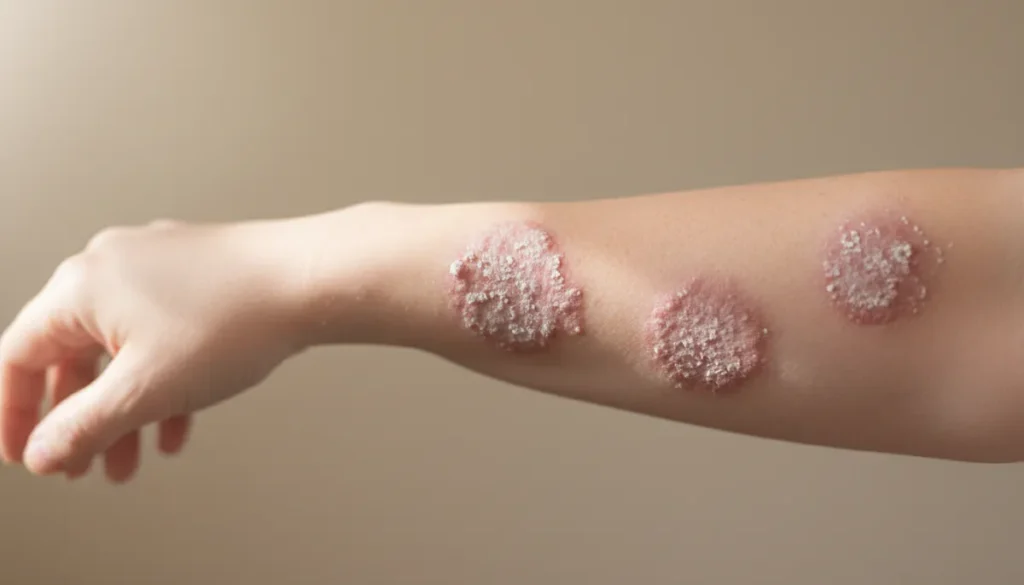
Unlike its more aggressive counterparts, mild psoriasis typically presents with small, well‑defined plaques that may be mistaken for eczema or dry skin. Key characteristics include:
- Red or pink patches with silvery‑white scales
- Lesions usually less than 5 cm in diameter
- Common locations: elbows, knees, scalp, and lower back
- Itching or mild burning sensation, especially after sweating
Because the affected area is limited, many patients delay seeking professional advice, assuming the condition will resolve on its own. However, early identification enables more effective management.
Common Triggers and Underlying Causes
While genetics play a role, many external factors can ignite or worsen mild psoriasis. Understanding these triggers helps you avoid flare‑ups.
Environmental and Lifestyle Triggers
- Cold, dry weather that dries out the skin
- Stressful events or chronic anxiety
- Smoking and excessive alcohol consumption
- Skin injuries such as cuts, scrapes, or sunburn (Koebner phenomenon)
Medical Factors
Certain medications and health conditions can exacerbate the disease. Notable examples include:
| Trigger | How It Affects Psoriasis |
|---|---|
| Beta‑blockers | May increase skin cell turnover, leading to new plaques |
| Lithium | Known to provoke plaque formation in susceptible individuals |
| Infections (strep throat) | Can trigger guttate psoriasis, which may evolve into mild plaque psoriasis |
Identifying personal triggers often requires a diary of symptoms, diet, and stress levels. Once patterns emerge, targeted adjustments can dramatically reduce flare frequency.
Treatment Options for Mild Psoriasis
Modern psoriasis treatment strategies focus on reducing inflammation, slowing skin cell growth, and soothing irritation. For mild cases, topical therapies are often sufficient, but systemic options may be considered if lesions persist.
Topical Therapies
- Corticosteroid creams: Reduce redness and scaling; use short‑term to avoid skin thinning.
- Vitamin D analogues (e.g., calcipotriene): Slow cell proliferation with minimal side effects.
- Coal tar preparations: Effective for scalp psoriasis and thick plaques.
- Moisturizers and emollients: Essential for barrier repair and itch relief.
Light Therapy (Phototherapy)
Controlled exposure to narrowband UVB light can improve mild plaques without the need for medication. Sessions are typically administered 2–3 times per week under medical supervision.
Systemic and Biologic Options
When topical measures fail, low‑dose oral agents such as methotrexate or newer biologics may be prescribed, even for mild disease, to prevent progression. These treatments require careful monitoring by a dermatologist.
Choosing the right regimen depends on plaque location, patient preference, and any co‑existing conditions. A personalized plan ensures the best balance between efficacy and safety.
Lifestyle Strategies to Manage Symptoms
Beyond medication, everyday habits play a crucial role in controlling mild psoriasis. Incorporating these strategies can enhance treatment outcomes and improve skin comfort.
Skincare Routine
- Gentle, fragrance‑free cleansers
- Apply moisturizers within three minutes of bathing
- Avoid harsh scrubbing; use soft washcloths
Diet and Nutrition
While no single diet cures psoriasis, certain foods have anti‑inflammatory properties:
- Omega‑3 rich fish (salmon, mackerel)
- Fresh fruits and vegetables, especially berries and leafy greens
- Whole grains over refined carbs
- Limit processed foods, red meat, and excessive sugar
Stress Management
Practices such as mindfulness meditation, yoga, or regular exercise can lower cortisol levels, which in turn may reduce flare‑ups.
Environmental Care
Maintain optimal indoor humidity (40–60%) during winter, and protect skin from extreme cold with layered clothing.
Combining these lifestyle measures with prescribed therapy creates a comprehensive approach that many patients find sustainable over the long term.
When to Seek Professional Care
Even with mild psoriasis, certain signs indicate that a dermatologist’s evaluation is essential:
- Rapid expansion of plaques or new lesions appearing
- Severe itching, pain, or bleeding
- Signs of infection (redness, warmth, pus)
- Joint pain suggesting possible psoriatic arthritis
Early intervention can prevent progression to moderate or severe disease and address complications such as nail involvement or scalp inflammation. Regular check‑ups also allow clinicians to adjust treatment plans based on response and any emerging side effects.
Why Choose Gold City Medical Center
Gold City Medical Center combines integrative medicine with cutting‑edge dermatology to deliver personalized care for mild psoriasis. Our multidisciplinary team evaluates each patient’s skin, lifestyle, and overall health, crafting treatment plans that balance effectiveness with safety. With a focus on holistic well‑being, we offer topical therapies, phototherapy, and advanced systemic options—all coordinated within a supportive environment.
Choosing us means accessing expert guidance, state‑of‑the‑art facilities, and a compassionate approach that respects your individual needs.
Ready to take control of your skin? Contact Gold City Medical Center today to schedule a personalized consultation and start your journey toward clearer, healthier skin.
Call us or fill out our online form—our team is here to help you feel confident again.
FAQ
What are the early signs of mild psoriasis?
Mild psoriasis often appears as small, well‑defined red or pink patches with silvery‑white scales, usually under 5 cm, on elbows, knees, scalp or lower back.
Which factors can trigger mild psoriasis flare‑ups?
Common triggers include cold dry weather, stress, smoking, alcohol, skin injuries, certain medications like beta‑blockers, and infections such as strep throat.
What topical treatments are effective for mild psoriasis?
First‑line options are corticosteroid creams, vitamin D analogues, coal‑tar preparations, and regular moisturizers to reduce scaling and inflammation.
How does phototherapy help with mild psoriasis?
Narrowband UVB phototherapy slows skin cell growth and reduces inflammation, improving mild plaques without systemic medication.
Can diet and lifestyle changes improve mild psoriasis symptoms?
Yes; anti‑inflammatory foods, regular moisturising, stress‑reduction techniques, and proper humidity can lessen flare‑ups and support treatment.
When should I see a dermatologist for mild psoriasis?
Seek care if plaques spread quickly, cause severe itching or pain, show signs of infection, or if joint pain suggests psoriatic arthritis.





