Understanding how to clean your liver is essential for anyone looking to improve overall health and vitality. The liver processes thousands of toxins daily, and without proper support it can become overloaded, leading to fatigue, digestive issues, and long‑term disease. Recent studies show that up to 25 % of adults have some degree of liver fat accumulation, making liver care a public health priority.
This article walks you through evidence‑based dietary changes, herbal supplements, and lifestyle habits that promote a healthy liver environment. Whether you’re dealing with mild discomfort, want to boost detoxification, or simply maintain optimal organ function, the steps outlined here are practical and safe.
We’ll explore the science behind liver metabolism, list foods and drinks that aid cleansing, compare popular herbal options, and highlight lifestyle adjustments that make a measurable difference. By the end, you’ll have a clear, actionable plan to support your liver’s natural regenerative abilities.
Understanding Liver Function and Common Toxins
The liver is the body’s central detox hub, responsible for filtering blood, metabolizing nutrients, and breaking down harmful substances. Enzymes such as cytochrome P450 convert toxins into water‑soluble forms that can be excreted via bile or urine. When this system is overwhelmed, toxins may accumulate, contributing to inflammation and fatty liver disease.
Key sources of liver stress include excessive alcohol, processed sugars, saturated fats, and environmental pollutants. Even everyday items like certain medications and herbal supplements can strain hepatic pathways if not used correctly.
Below is a quick reference table that outlines common toxins and their typical impact on liver health:
| toxin | typical source | effect on liver |
|---|---|---|
| acetaldehyde | alcohol | oxidative stress, fatty infiltration |
| fructose | sugary drinks, processed foods | promotes lipogenesis, can lead to non‑alcoholic fatty liver disease |
| aflatoxins | contaminated grains, nuts | carcinogenic, impairs detox enzymes |
Recognizing these contributors is the first step toward an effective liver detox. By reducing exposure and supporting the organ’s natural pathways, you set the stage for successful cleansing.
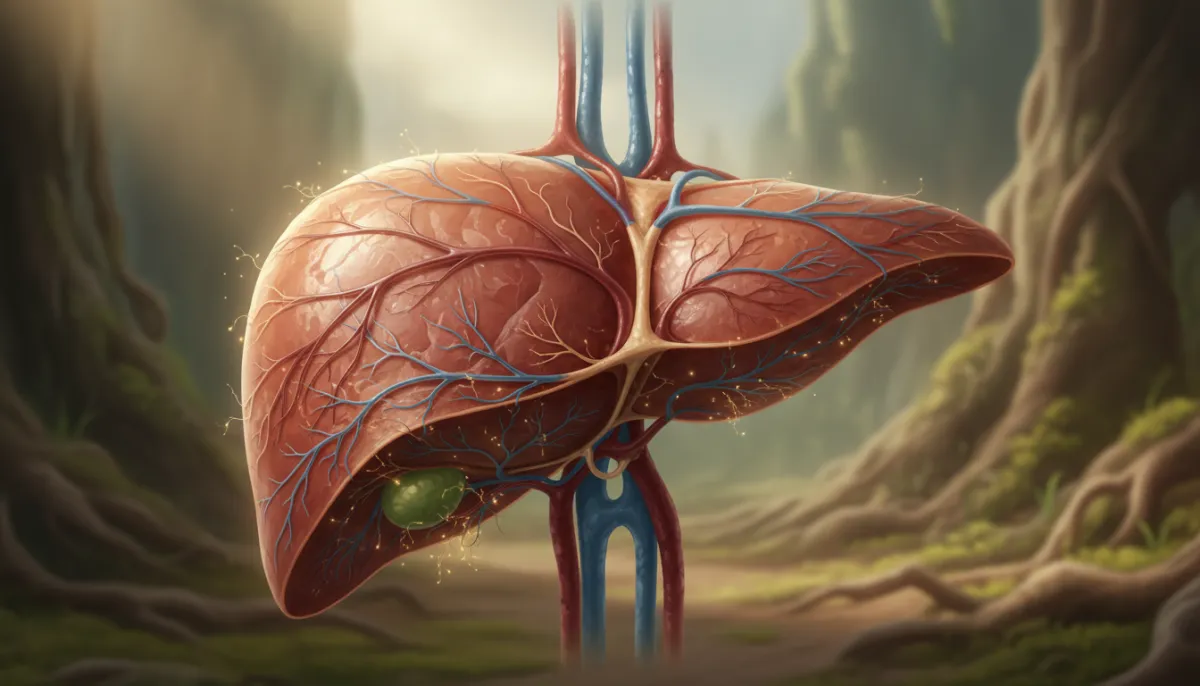
Dietary Strategies for Liver Cleansing
Nutrition plays a pivotal role in supporting liver regeneration. A diet rich in antioxidants, fiber, and essential fatty acids helps the liver eliminate waste while protecting cells from oxidative damage. Below are core dietary pillars for a successful cleanse.
Antioxidant‑Rich Foods
Vitamins C and E, along with polyphenols, neutralize free radicals generated during detoxification. Include berries, citrus fruits, leafy greens, and nuts in daily meals.
Fiber and Gut Health
Soluble fiber binds bile acids and toxins, directing them out of the body. Foods such as oats, legumes, apples, and chia seeds are excellent sources.
Healthy Fats
Omega‑3 fatty acids reduce inflammation and improve lipid metabolism. Fatty fish, flaxseed, and walnuts should be featured regularly.
Here is a sample weekly meal plan designed to support liver health:
- Monday: Green smoothie with spinach, kale, ginger water, and a scoop of milk thistle extract.
- Tuesday: Grilled salmon, quinoa, and steamed broccoli with lemon.
- Wednesday: Lentil soup, mixed berry salad, and a cup of green tea.
- Thursday: Turkey stir‑fry with bell peppers, brown rice, and a side of avocado.
- Friday: Beet and carrot juice, mixed nuts, and baked cod.
- Saturday: Overnight oats with flaxseed, blueberries, and almond milk.
- Sunday: Veggie‑packed omelette with mushrooms, tomatoes, and a glass of detox water (cucumber‑mint).
In addition to whole foods, specific detox drinks can enhance the cleansing process. A popular choice is a warm ginger‑lemon infusion, which stimulates bile flow and improves digestion.
Herbal Supplements and Natural Remedies
Several botanicals have been studied for their hepatoprotective properties. When chosen wisely and taken at appropriate doses, they can complement dietary measures.
Milk Thistle (Silymarin)
Milk thistle is perhaps the most well‑known liver support herb. Clinical trials suggest that a daily dose of 150 mg of silymarin can improve liver enzyme levels and protect against toxin‑induced damage. Side effects are rare but may include mild gastrointestinal upset.
Turmeric (Curcumin)
Curcumin, the active compound in turmeric, exhibits strong anti‑inflammatory effects. Combined with black pepper (piperine) to enhance absorption, a dose of 500 mg twice daily supports liver cell regeneration.
Dandelion Root
Dandelion stimulates bile production, aiding fat digestion and toxin elimination. A typical dose is 1–2 grams of dried root tea per day.
Below is a comparison of popular liver supplements:
| supplement | active ingredient | typical dose | primary benefit |
|---|---|---|---|
| Milk Thistle | Silymarin | 150 mg 1‑2×/day | antioxidant, enzyme normalization |
| Turmeric | Curcumin + Piperine | 500 mg 2×/day | anti‑inflammatory, cell repair |
| Dandelion Root | Taraxacins | 1–2 g tea daily | bile stimulation, mild diuretic |
While supplements can be beneficial, they should never replace a balanced diet. Consulting a healthcare professional before starting any regimen is advisable, especially for individuals on medication or with pre‑existing liver conditions.
Lifestyle Habits That Support Liver Health
Beyond food and supplements, everyday habits have a profound impact on hepatic function. Implementing these changes creates an environment where the liver can operate efficiently.
Regular Physical Activity
Exercise enhances circulation, reduces visceral fat, and improves insulin sensitivity—all factors that lower liver fat accumulation. Aim for at least 150 minutes of moderate aerobic activity per week, such as brisk walking, cycling, or swimming.
Adequate Hydration
Water is essential for flushing metabolites. Drinking 2–3 liters of plain water daily, supplemented with occasional detox water (cucumber, lemon, or mint), keeps bile fluidity optimal.
Sleep Quality
During deep sleep, the body performs extensive repair processes, including liver regeneration. Target 7–9 hours of uninterrupted sleep and maintain a consistent bedtime routine.
Stress Management
Chronic stress elevates cortisol, which can impair liver detox pathways. Practices such as mindfulness meditation, yoga, or simple breathing exercises help mitigate this effect.
To summarize, here is a checklist you can integrate into your weekly routine:
- Exercise: 30 minutes, 5 days a week.
- Hydration: 8‑10 glasses of water daily.
- Sleep: 7‑9 hours, same bedtime each night.
- Stress relief: 10‑15 minutes of meditation or yoga.
- Limit alcohol to occasional moderate intake.
Consistently applying these habits reinforces the benefits of dietary and herbal strategies, creating a comprehensive approach to liver cleansing.
When to Seek Professional Medical Guidance
While many people can improve liver health through diet and lifestyle, certain signs warrant professional evaluation. Persistent jaundice, unexplained abdominal pain, swelling, or abnormal liver enzyme tests should be addressed promptly.
Gold City Medical Center offers integrative assessments that combine conventional diagnostics with personalized wellness plans. Our specialists can order liver function panels, imaging, and, when appropriate, recommend targeted therapies such as therapeutic phlebotomy or advanced nutraceutical protocols.
Early intervention not only prevents progression to chronic liver disease but also tailors the cleansing regimen to your unique health profile, ensuring safety and effectiveness.
Why Choose Gold City Medical Center
Gold City Medical Center combines cutting‑edge medical expertise with a holistic approach to health. Our team of liver specialists, nutritionists, and integrative therapists work together to create personalized detox programs that respect your body’s natural rhythms. With state‑of‑the‑art facilities and a commitment to evidence‑based care, we ensure safe, effective support for anyone seeking to improve liver function.
Ready to start your liver‑cleansing journey? Contact Gold City Medical Center today to schedule a comprehensive liver health assessment and receive a customized plan tailored to your needs.
FAQ
What are the best foods for a natural liver cleanse?
Antioxidant‑rich fruits, leafy greens, high‑fiber foods, and omega‑3‑rich fish are top choices for supporting liver detox.
How does milk thistle support liver health?
Milk thistle’s active compound silymarin protects liver cells and can improve enzyme levels.
How often should I exercise to improve liver function?
Aim for at least 150 minutes of moderate aerobic activity each week.
When should I consult a doctor about liver problems?
Seek medical advice if you notice jaundice, persistent abdominal pain, swelling, or abnormal liver tests.
Can detox drinks really help liver detoxification?
Certain drinks, like ginger‑lemon infusions, can stimulate bile flow and support digestion, aiding the liver’s natural processes.
What lifestyle habits most impact liver health?
Regular exercise, proper hydration, sufficient sleep, stress management, and limiting alcohol are key habits.





