Ozone injections are gaining attention as a complementary approach for pain relief, inflammation reduction, and tissue regeneration. In recent years, more than 2,400 monthly searches indicate growing public interest in this therapy. This article explains how ozone injections work, the conditions they may help, safety considerations, costs, and what patients can anticipate during a treatment session at Gold City Medical Center.
Understanding the science behind ozone therapy helps demystify its role in modern integrative medicine. While some patients wonder whether the procedure is painful or safe, clinical experience shows that, when administered by trained professionals, ozone injections can be a well‑tolerated option alongside conventional treatments.
We will explore the therapeutic mechanisms, review potential benefits, discuss safety and side‑effect profiles, and guide you through the practical aspects of scheduling and undergoing an ozone injection. By the end of this article, you will have a clear picture of whether this innovative therapy aligns with your health goals.
Understanding Ozone Injections and How They Work
Ozone injections involve delivering a precise mixture of medical‑grade ozone (O₃) and a small amount of oxygen directly into targeted tissues. The goal is to harness ozone’s oxidative properties to stimulate a cascade of biological responses that promote healing.
Mechanism of Action
When ozone contacts blood or interstitial fluid, it triggers a brief oxidative stress that activates antioxidant enzymes such as superoxide dismutase (SOD) and glutathione peroxidase. This controlled stress leads to:
- Improved oxygen metabolism at the cellular level
- Modulation of inflammatory mediators (e.g., prostaglandins, cytokines)
- Enhanced microcirculation and tissue perfusion
- Stimulation of fibroblast activity and collagen synthesis
These effects collectively create an environment conducive to pain reduction and tissue repair, making ozone injections a versatile tool in ozone therapy protocols.
Procedure Overview
The injection process typically follows these steps:
- Medical evaluation and selection of appropriate injection sites.
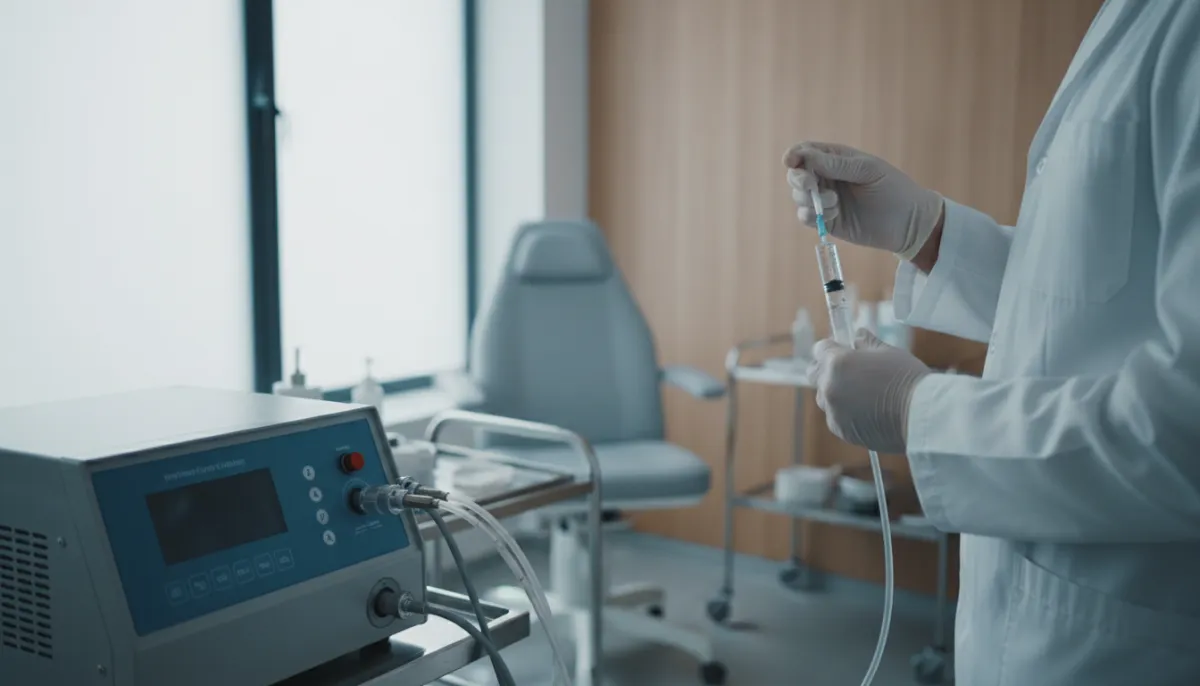
- Preparation of a sterile ozone‑oxygen gas mixture using a calibrated ozone generator.
- Insertion of a fine‑gauge needle into the target tissue (muscle, joint capsule, or subcutaneous layer).
- Delivery of the gas mixture in controlled volumes (usually 5‑20 ml per site).
- Post‑procedure observation for a brief period to ensure tolerance.
Most patients report only mild discomfort during the injection, comparable to a standard local anesthetic shot.
| Aspect | Ozone Injection | Traditional Steroid Injection |
|---|---|---|
| Primary Action | Oxidative modulation & tissue oxygenation | Anti‑inflammatory corticosteroid effect |
| Duration of Relief | Weeks to months, depending on condition | Typically weeks, may require repeat |
| Side‑Effect Profile | Minimal; transient soreness | Potential for tissue atrophy, systemic effects |
| Contraindications | Pregnancy, uncontrolled hyperthyroidism | Diabetes, infection at injection site |
Potential Benefits and Clinical Applications
Research and clinical observations suggest that ozone injections can be effective for a range of musculoskeletal and dermatological conditions. While individual responses vary, many patients experience notable improvements in pain, mobility, and skin quality.
Key Therapeutic Benefits
- Pain relief for chronic back, neck, and joint discomfort.
- Reduction of inflammation in tendinopathies and arthritis.
- Acceleration of wound healing and scar remodeling.
- Improvement of skin tone and elasticity in aesthetic applications.
- Support for peripheral circulation in diabetic foot syndrome.
Common Clinical Applications
| Condition | Typical Outcome | Relevant Related Keyword |
|---|---|---|
| Degenerative knee osteoarthritis | Reduced pain scores, improved joint function | ozone injection therapy |
| Chronic low‑back pain | Decreased reliance on oral analgesics | ozone therapy benefits |
| Tendonitis (e.g., Achilles, rotator cuff) | Faster return to activity | ozone autohemotherapy |
| Acne scars and skin rejuvenation | Enhanced collagen formation, smoother texture | ozone therapy |
| Dental infections and periodontal disease | Reduced bacterial load, improved healing | ozone therapy near me |
While ozone injections are not a cure‑all, they can complement physiotherapy, medication, and lifestyle modifications to create a comprehensive treatment plan.
Safety, Side Effects, and Contraindications
Safety is a primary concern for anyone considering a new medical procedure. Ozone injections, when performed by qualified professionals, have a favorable safety record. The oxidative nature of ozone is tightly controlled, and the administered volumes are low enough to avoid systemic toxicity.
Common Side Effects
- Transient local soreness or mild swelling at the injection site.
- Brief sensation of warmth or tingling during gas delivery.
- Rarely, mild headache or fatigue lasting a few hours.
These effects typically resolve without intervention. Patients are advised to avoid strenuous activity for 24‑48 hours post‑treatment to maximize benefits.
Contraindications and Precautions
Ozone injections are not suitable for everyone. Absolute contraindications include:
- Pregnancy or breastfeeding.
- Severe uncontrolled hyperthyroidism.
- Active bleeding disorders or anticoagulant therapy that cannot be paused.
- Known hypersensitivity to ozone or oxygen.
Relative contraindications may involve severe cardiovascular disease, recent myocardial infarction, or acute infections at the intended injection site. A thorough medical history and physical examination help determine eligibility.
Regulatory bodies in many countries recognize ozone therapy as a medical procedure when performed under strict protocols, but it is essential to verify that the clinic follows established safety standards.
Cost, Availability, and What to Expect During a Session
Understanding the financial and logistical aspects of ozone injections helps patients plan their care effectively. Prices can vary based on the number of injection sites, the specific condition treated, and regional market factors.
Typical Cost Range
- Single‑site injection: €80 – €150
- Multi‑site series (3‑5 sessions): €250 – €600
- Comprehensive package including follow‑up: €700 – €1,200
These figures are approximate; a personalized quote will be provided after the initial consultation. Insurance coverage for ozone therapy is limited in many regions, so out‑of‑pocket payment is common.
Session Workflow
- Pre‑consultation: Review of medical history, discussion of goals, and determination of suitability.
- Preparation: Skin cleansing, placement of a small sterile drape, and setup of the ozone generator.
- Injection: Administration of the gas mixture; the procedure typically lasts 5‑10 minutes.
- Post‑procedure observation: 10‑15 minutes of monitoring for immediate reactions.
- Aftercare instructions: Guidance on activity restriction, hydration, and signs that warrant medical attention.
Most patients resume normal activities the same day, with a brief period of rest recommended. Follow‑up appointments are scheduled to assess progress and determine if additional sessions are needed.
Common Patient Questions Answered
Many individuals have specific concerns that influence their decision to try ozone injections. Below we address several frequently raised topics.
Are ozone injections painful?
The sensation is comparable to a standard local anesthetic injection. A brief sting may be felt as the needle penetrates the skin, followed by a mild pressure when the gas is released. Most patients describe the overall experience as tolerable.
How long do the effects last?
Therapeutic benefits can persist from several weeks to a few months, depending on the condition treated and the individual’s healing response. A series of 3‑5 sessions is commonly recommended to achieve lasting results.
Can ozone be used for dental issues?
Yes, ozone therapy is employed in dentistry to disinfect cavities, treat periodontal disease, and accelerate healing after extractions. Ozone’s antimicrobial properties make it a valuable adjunct in oral health care.
Is there any risk of ozone toxicity?
When administered intravenously or via injection in controlled doses, ozone does not reach toxic systemic levels. The key is proper equipment calibration and adherence to clinical protocols.
Do I need to stop other medications?
Most oral medications can be continued, but anticoagulants, high‑dose steroids, or certain immunosuppressants may require temporary adjustment. Your practitioner will provide clear guidance based on your medication list.
Why Choose Gold City Medical Center
Gold City Medical Center combines advanced integrative medicine with a patient‑centered approach. Our team of certified physicians and specialists has extensive experience in ozone injection therapy, ensuring that each treatment is tailored to your unique health profile. We prioritize safety, use state‑of‑the‑art ozone generators, and follow strict hygiene protocols. Whether you seek pain relief, skin rejuvenation, or supportive care for chronic conditions, our comprehensive services are designed to help you achieve sustainable well‑being.
Ready to discover how ozone injections can enhance your health journey? Contact Gold City Medical Center today to schedule a personalized consultation and take the first step toward lasting relief.
FAQ
Are ozone injections painful?
The sensation is similar to a standard local anesthetic shot, with a brief sting followed by mild pressure as the gas is delivered.
What are the main benefits of ozone injections?
Ozone injections can provide pain relief, reduce inflammation, accelerate tissue healing, improve skin quality, and support peripheral circulation.
Are ozone injections safe?
When administered by qualified professionals, ozone injections have a favorable safety profile with only mild, transient side effects.
How much do ozone injections cost?
Prices range from €80–€150 for a single‑site injection, €250–€600 for a series of 3‑5 sessions, and €700–€1,200 for comprehensive packages.
Which conditions can be treated with ozone injections?
Ozone injections are used for degenerative knee osteoarthritis, chronic low‑back pain, tendonitis, acne scars, and dental infections, among others.





