Everyone experiences moments when stress feels overwhelming, and knowing how to relieve stress quickly can make a huge difference in daily wellbeing. In today’s fast‑paced world, a sudden surge of tension can affect focus, sleep, and even physical health. This article walks you through immediate strategies that fit into a busy schedule, backed by mental health tips and evidence‑based practices. Whether you’re at work, at home, or on the go, these techniques help you regain calm within minutes.
We’ll explore why stress spikes, simple breathing and mindfulness tools, quick physical activities, natural remedies, and the signs that professional support may be needed. By the end, you’ll have a toolbox of rapid‑relief methods you can apply anytime, anywhere.
Let’s begin by understanding what stress does to your body and mind, so you can target relief more effectively.
Understanding Stress and Its Immediate Impact
Stress is the body’s natural response to perceived threats, releasing hormones like cortisol and adrenaline. While short‑term stress can boost performance, chronic activation leads to fatigue, irritability, and a weakened immune system. Recognizing the signs early—racing thoughts, shallow breathing, muscle tension—helps you intervene before anxiety escalates.
Key physiological changes include:
- Increased heart rate and blood pressure
- Rapid, shallow breathing
- Tightening of neck and shoulder muscles
- Reduced digestive efficiency
These responses are part of the stress management cycle. When you notice them, you can employ rapid coping skills to reset the nervous system.
| Symptom | Typical Trigger | Quick Countermeasure |
|---|---|---|
| Racing thoughts | Work deadline | 5‑minute mindfulness pause |
| Muscle tension | Long sitting | Progressive muscle relaxation |
| Shallow breathing | Public speaking | Box breathing (4‑4‑4‑4) |
Understanding these links empowers you to choose the most effective technique in the moment.
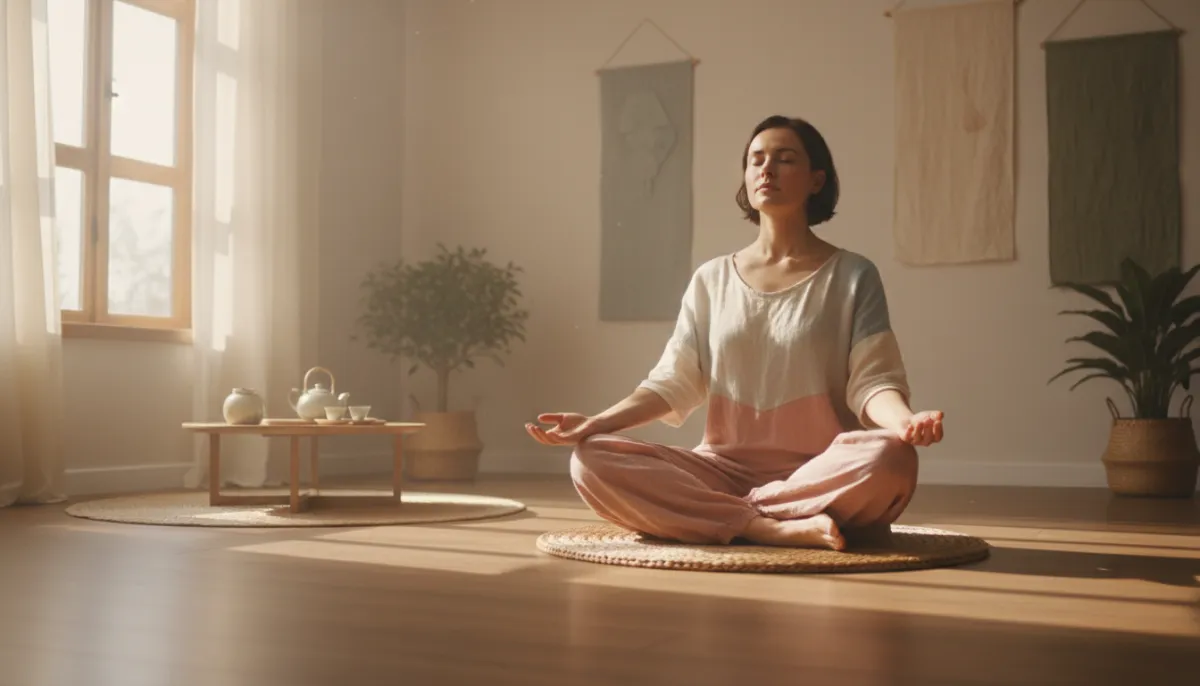
Quick Breathing and Mindfulness Techniques
One of the fastest ways to calm the nervous system is through controlled breathing. Techniques like box breathing, 4‑7‑8 breathing, and diaphragmatic breathing can lower heart rate within minutes, making them ideal for instant stress relief.
Box Breathing (4‑4‑4‑4)
1. Inhale through the nose for a count of four.
2. Hold the breath for four seconds.
3. Exhale slowly for four seconds.
4. Pause for four seconds before repeating.
Practice this cycle for two minutes, and you’ll notice a reduction in anxiety and clearer thinking.
4‑7‑8 Breathing
Inhale for four counts, hold for seven, and exhale gently for eight. This longer exhale activates the parasympathetic nervous system, promoting relaxation.
Both methods are portable—no equipment needed, and they can be done at a desk, in a car, or while waiting in line.
- Best for: Immediate anxiety spikes
- Time required: 2–3 minutes
- Frequency: Whenever stress builds
Integrating a short mindfulness pause, such as focusing on the sensation of the breath or a quick body scan, enhances the effect. These practices are core components of stress management techniques used by therapists for anxiety management.
Physical Activities You Can Do Anywhere
Movement is a powerful antidote to stress. Even brief bursts of activity trigger the release of endorphins, which improve mood and reduce the perception of pain.
Micro‑Workout Routine
Try a 5‑minute sequence that includes:
- 30 seconds of jumping jacks
- 30 seconds of high knees
- 30 seconds of squats
- 30 seconds of arm circles
- Repeat the circuit twice
This quick cardio boost increases blood flow to the brain, sharpening focus and lowering cortisol levels.
Stretching for Tension Release
Target neck, shoulders, and lower back with gentle stretches:
- Neck tilt: Hold each side for 15 seconds
- Shoulder rolls: 10 forward, 10 backward
- Seated forward bend: Hold for 20 seconds
These movements can be performed at a workstation without attracting attention, making them ideal for office environments.
Research shows that regular short bouts of activity improve coping skills and reduce overall stress levels.
| Activity | Duration | Primary Benefit |
|---|---|---|
| Jumping jacks | 30 sec | Cardiovascular activation |
| Neck stretch | 15 sec per side | Release muscle tension |
| Deep squats | 30 sec | Boost endorphins |
Natural Remedies and Lifestyle Tweaks for Fast Relief
Beyond movement and breath, certain natural approaches can calm the mind within minutes.
Herbal Teas and Aromatherapy
Chamomile, lavender, and peppermint teas contain compounds that promote relaxation. Inhaling essential oils like lavender or bergamot for 2–3 minutes can lower heart rate and improve mood.
Cold Water Face Splash
Briefly splashing cold water on the face stimulates the vagus nerve, which helps shift the body from a sympathetic (fight‑or‑flight) state to a parasympathetic (rest‑and‑digest) state.
Digital Detox Mini‑Break
Turning off notifications and stepping away from screens for five minutes reduces information overload, a common stressor in modern life.
- Best for: Persistent low‑grade anxiety
- Time required: 2–5 minutes per technique
- Frequency: As needed throughout the day
These relaxation techniques are simple, inexpensive, and can be combined for a personalized stress‑reduction plan.
When to Seek Professional Help for Stress Management
While self‑help strategies are effective for occasional spikes, persistent stress may require professional guidance. Signs that you should consult a specialist include:
- Stress interfering with work or relationships
- Physical symptoms such as chronic headaches, gastrointestinal issues, or sleep disturbances
- Feelings of hopelessness or frequent anxiety attacks
Gold City Medical Center offers integrative approaches that combine medical assessment with tailored stress‑reduction programs. Our team can provide:
- Personalized anxiety management plans
- Evidence‑based relaxation therapy
- Guidance on lifestyle adjustments and, when appropriate, medication
Early intervention not only improves mental wellbeing but also supports overall health, enhancing the effectiveness of any cosmetic or hair restoration treatments you may be pursuing.
Why Choose Gold City Medical Center
Gold City Medical Center integrates medical expertise with holistic wellness, offering personalized solutions for stress, beauty, and hair restoration. Our multidisciplinary team combines evidence‑based treatments with compassionate care, ensuring you receive comprehensive support for both physical and mental health. Whether you seek quick stress relief or long‑term wellbeing strategies, our integrative approach tailors each plan to your unique needs.
Ready to experience faster, lasting stress relief? Contact Gold City Medical Center today to schedule a personalized consultation and start your journey toward calm and confidence.
FAQ
What are the fastest ways to relieve stress?
Quick breathing techniques, brief physical activity, and simple mindfulness pauses can lower stress within minutes.
How does box breathing help reduce anxiety?
Box breathing balances inhalation, hold, exhalation, and pause, slowing heart rate and calming the nervous system.
Can short stretches at work really lower stress?
Yes, brief neck, shoulder, and back stretches release muscle tension and signal the brain that the body is safe.
What natural remedies can calm stress within minutes?
Herbal teas, aromatherapy, a cold water splash, and a quick digital detox are effective fast‑acting natural stress relievers.
When should I consider professional help for stress?
Seek professional help if stress interferes with work or relationships, causes persistent physical symptoms, or leads to hopelessness.
How does a micro‑workout boost mood instantly?
Short bursts of cardio increase endorphin release, improve blood flow to the brain, and lower cortisol levels.





