Experiencing a rash on neck can be uncomfortable and concerning, especially when the cause isn’t immediately clear. This article explores the most frequent triggers, how to recognize warning signs, and the best approaches—both at home and with professional care—to manage and heal this skin condition. According to dermatology studies, neck rashes account for a notable share of skin‑related consultations, highlighting the importance of timely identification and treatment.
We’ll walk you through the underlying factors that can provoke a neck rash, differentiate between harmless irritations and conditions that require medical attention, and provide practical steps you can take right now. Whether the rash appears as red spots, itchy welts, or flaky patches, understanding its nature empowers you to choose the right solution.
By the end of this guide, you’ll know when a simple home remedy may suffice and when it’s essential to seek expert care at Gold City Medical Center, where integrative healthcare meets personalized skin treatment.
Common Causes of Neck Rash
A rash on neck can stem from a variety of sources, ranging from everyday irritants to underlying medical conditions. Recognizing the root cause is the first step toward effective relief.
- Allergic reactions: Contact with allergens such as fragrances, nickel, or certain fabrics can trigger an allergic skin eruption, often presenting as hives or red patches.
- Urticaria (hives): Rapidly appearing welts that itch intensely, frequently linked to stress, temperature changes, or food sensitivities.
- Contact dermatitis: Direct skin irritation from soaps, detergents, or cosmetics that contain harsh chemicals.
- Pityriasis rosea: A viral‑related rash that may begin on the neck with a “herald patch” followed by a spreading pattern.
- Heat rash (miliaria): Blocked sweat ducts in warm, humid conditions, leading to tiny red bumps.
- Infections: Bacterial or fungal infections can cause localized redness and swelling.
- Skin conditions: Psoriasis or eczema may extend to the neck area, presenting as scaly, inflamed patches.
Understanding these triggers helps you avoid future flare‑ups and informs the treatment approach you’ll discuss with a healthcare professional.
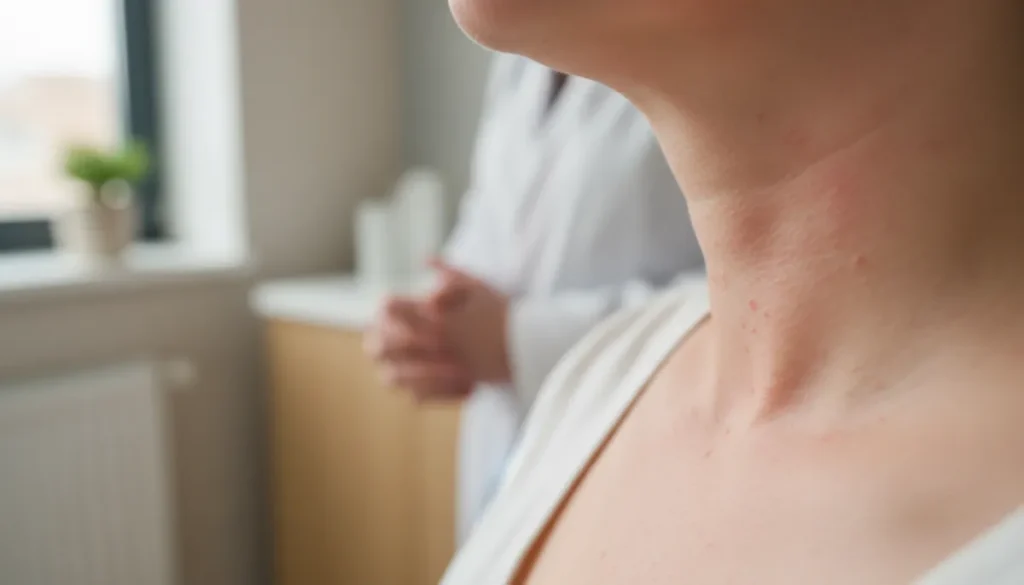
Recognizing Symptoms and When to Seek Care
Not all neck rashes are created equal. Some resolve on their own, while others signal a deeper issue that warrants professional evaluation.
| Symptom | Possible Cause | When to See a Doctor |
|---|---|---|
| Red, itchy welts | Urticaria, allergic reaction | If swelling spreads rapidly or breathing difficulty occurs |
| Scaly patches | Eczema, psoriasis | Persistent for more than two weeks or worsening despite OTC creams |
| Small red bumps | Heat rash, insect bites | If accompanied by fever or spreading infection signs |
| Painful, oozing lesions | Bacterial infection | Immediate medical attention required |
If you notice any of the following, it’s prudent to schedule a consultation:
- Rapid expansion of the rash beyond the neck area.
- Severe itching that disrupts sleep or daily activities.
- Accompanying fever, joint pain, or swelling of the face.
- Signs of infection such as pus, warmth, or increasing pain.
Early assessment can prevent complications and ensure you receive targeted therapy.
Effective Home Remedies and Over-the-Counter Options
For many mild cases, simple at‑home care can provide significant relief from a neck rash. Below are evidence‑based remedies that address itching, inflammation, and skin barrier restoration.
- Cool compresses: Apply a clean, damp cloth for 10‑15 minutes several times a day to reduce heat and itching.
- Gentle cleansing: Use fragrance‑free, hypoallergenic cleansers; avoid scrubbing.
- Moisturizing: Apply a fragrance‑free emollient or ceramide‑rich cream to restore the skin barrier.
- Antihistamines: Over‑the‑counter options like cetirizine or loratadine can alleviate allergic hives and itching.
- Topical corticosteroids: Low‑strength hydrocortisone 1% creams are suitable for short‑term use on small areas.
- Oatmeal baths: Adding colloidal oatmeal to lukewarm water soothes irritation.
When selecting products, prioritize those labeled “for sensitive skin” and avoid alcohol‑based formulas that may exacerbate dryness.
If symptoms persist beyond a week, intensify, or you develop new signs such as fever, it’s advisable to seek professional evaluation to rule out infection or an underlying condition.
Professional Treatments Available at Gold City Medical Center
When a rash on the neck does not respond to home measures, Gold City Medical Center offers a comprehensive, integrative approach to diagnosis and treatment.
- Dermatological assessment: A thorough skin examination, including dermoscopy, to identify the exact type of rash.
- Allergy testing: Patch or blood tests to pinpoint specific allergens responsible for the reaction.
- Prescription medications: Stronger topical steroids, calcineurin inhibitors, or oral antihistamines tailored to the diagnosis.
- Phototherapy: Controlled light treatment for chronic conditions such as psoriasis or severe eczema.
- Integrative therapies: Incorporating nutritional counseling, stress‑management techniques, and herbal extracts to support skin health from within.
Our multidisciplinary team ensures that each treatment plan aligns with your overall health goals, combining medical expertise with personalized care.
Prevention Strategies to Keep Your Neck Healthy
Preventing future flare‑ups begins with understanding and modifying the factors that commonly trigger a neck rash.
- Identify and avoid allergens: Keep a diary of skin reactions and potential triggers such as new skincare products or fabrics.
- Maintain skin hydration: Apply moisturizers immediately after bathing to lock in moisture.
- Choose breathable clothing: Natural fibers like cotton reduce friction and heat buildup.
- Manage stress: Techniques such as mindfulness, yoga, or regular exercise can lessen stress‑related hives.
- Protect against extreme temperatures: Use lightweight scarves in cold weather and stay cool in hot, humid environments.
- Practice good hygiene: Regularly wash pillowcases and scarves to minimize bacterial buildup.
By integrating these habits into daily life, you lower the likelihood of recurring rashes and support overall skin resilience.
Why Choose Gold City Medical Center for Skin Care
Gold City Medical Center blends cutting‑edge medical expertise with holistic wellness to deliver personalized skin solutions. Our team of board‑certified dermatologists and integrative specialists works collaboratively to diagnose, treat, and prevent conditions like a neck rash. With state‑of‑the‑art facilities and a patient‑centered approach, we ensure you receive comprehensive care that addresses both symptoms and underlying causes.
Ready to find relief from your neck rash? Contact Gold City Medical Center today to schedule a personalized skin assessment and start your journey toward healthier, comfortable skin.
FAQ
What are the most common causes of a rash on the neck?
Common causes include allergic reactions, contact dermatitis, heat rash, infections, psoriasis, and eczema.
How can I tell if my neck rash needs medical attention?
Seek care if the rash spreads quickly, causes severe itching, is painful, oozes, or is accompanied by fever, swelling, or breathing difficulty.
What home remedies can help relieve a mild neck rash?
Cool compresses, gentle fragrance‑free cleansers, moisturizers, OTC antihistamines, low‑strength hydrocortisone, and oatmeal baths are effective.
When should I consider professional treatment for a neck rash?
If home care fails after a week, the rash is extensive, painful, oozing, or linked to fever or systemic symptoms, professional treatment is advised.
How can I prevent future neck rashes?
Identify and avoid allergens, keep skin hydrated, wear breathable fabrics, manage stress, protect against extreme temperatures, and maintain good hygiene.





