
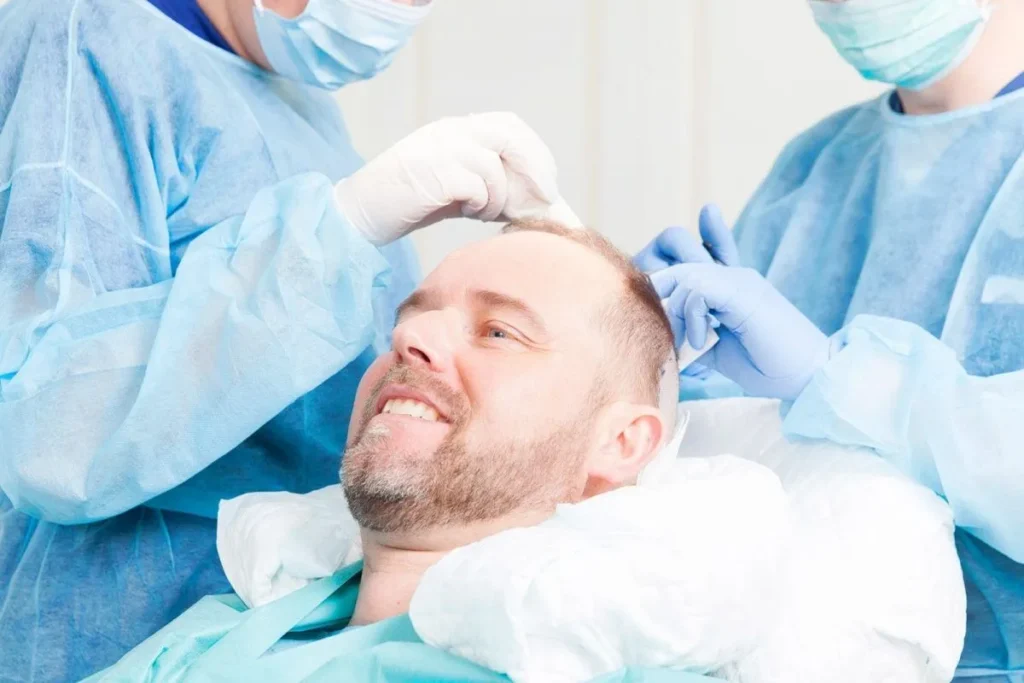
Reaching the 21-day mark after a hair transplant is a big step in your recovery. Your scalp is moving from healing to starting hair regrowth. Remember, the transplanted hair will shed, which is a normal part of the hair growth cycle. 21 days after hair transplant surgery is a critical phase. Master the best care routines to ensure your transplanted hair stays healthy.
To get the best results, be gentle with your scalp and follow your surgeon’s advice. Use a mild shampoo and avoid scrubbing too hard. Also, keep your scalp safe from the sun. Drinking plenty of water helps your hair grow healthy.
Key Takeaways
Gently care for your scalp with a mild shampoo.
Avoid scrubbing too hard to prevent damage.
Protect your scalp from the sun.
Stay hydrated to promote healthy hair growth.
Follow your surgeon’s instructions for optimal results.
Understanding Your Hair 21 Days After Hair Transplant

Twenty-one days after a hair transplant, your hair is changing a lot. It’s important to know what’s happening to help it grow well.
The Normal Shedding Phase
About 20 days after the transplant, your new hair starts to fall out. This is normal and expected. Studies show that the transplanted hair often falls out with the crusts within five to eight days. Then, the rest of the transplanted hair will fall out over the next 2-3 weeks.
The shedding phase is not a sign of failure. It’s just a natural part of hair growth. Knowing this can help you feel better and support your recovery.
Healing Progress of Your Scalp
By 21 days after the transplant, your scalp is healing well. The area where the hair was transplanted might be sensitive. It’s important to be gentle when washing and caring for your hair.
To help your scalp heal, use mild shampoos. Avoid harsh chemicals and don’t use too much heat styling.
Early Signs of New Growth
It might be too early to see new hair growth yet. But with the right care and patience, you will see results soon. The hair follicles are getting used to their new place, and they will start growing hair again.
To understand the recovery process better, here’s a quick overview:
By knowing these changes, you can better handle the recovery. This will help you get the best results from your hair transplant.
Essential Care Guidelines for Optimal Recovery
At three weeks post-transplant, your scalp is healing, and gentle care is key. By day 21, scabs should have largely fallen off, and the scalp will have significantly healed from the initial trauma. To promote optimal recovery and achieve the best results from your hair transplant, it’s vital to follow proper care guidelines.
Gentle Washing Techniques
Gentle washing techniques are vital during this phase, as your scalp is healing. Use a mild shampoo and avoid scrubbing too hard or using hot water, which can irritate your scalp. When washing your hair, go easy and make sure the water isn’t too hot. This careful approach will help prevent any complications and support the healing process.
Hydration and Nutritional Support
Staying hydrated isn’t just good for your body—it helps your scalp heal, too. Drinking plenty of water and maintaining a balanced diet rich in vitamins and minerals will support healthy hair growth. For more detailed guidance on post-transplant care, you can visit hair transplant after-care resources.
Safe Physical Activities to Resume
As you recover, you can gradually resume physical activities, but avoid strenuous exercise or heavy lifting. It’s essential to be patient and not rush back into your regular routine too quickly. By following these guidelines and being mindful of your body’s signals, you can ensure a smooth and successful recovery.
Conclusion: Setting Expectations for Your Hair Transplant Journey
At 21 days after your hair transplant, you’ve hit a big milestone. The full effects of your transplant are not yet seen, but you’re on the right track. With the right care and patience, you’ll see big improvements soon.
Hair transplant recovery takes time. It can take 8 to 12 months for most of the hair to grow in. Sometimes, it may take up to 14 months for all the hair to regrow. By following your surgeon’s advice and living a healthy lifestyle, you’ll have a smooth journey. For more details on the timeline and what to expect, check out HairForLifeAZ.
Stick to your aftercare routine, and you’ll soon enjoy the full benefits of your transplant. Over time, you’ll see the full results of your hair restoration, achieving the look you’ve always wanted.
FAQ
What is happening with my hair 21 days after transplant?
At 21 days post-transplant, your scalp is healing. The transplanted hair is going through a shedding phase. This is a normal part of hair growth.
Is shedding after a hair transplant a sign of failure?
No, shedding is normal and not a failure sign. It’s part of the healing and growth process.
How should I care for my hair 21 days after transplant?
Be gentle when washing and caring for your hair. Use a mild shampoo and avoid scrubbing hard. Protect your scalp from the sun. Staying hydrated helps promote healthy hair growth.
When can I resume physical activities after a hair transplant?
You can start with light physical activities 21 days after. But, avoid hard exercise or heavy lifting for a smooth recovery.
What are the essential care guidelines for optimal recovery after a hair transplant?
Use gentle washing techniques, stay hydrated, and eat well for healthy hair growth. Follow your surgeon’s advice and be patient for the best results.
How long does it take to see results after a hair transplant?
You might not see full results 21 days after. But, with care and patience, you’ll see big improvements in months.
What can I expect during the recovery process 20 days after a hair transplant?
The recovery 20 days after is similar to 21 days. Your scalp heals, and the hair sheds. Keep following your surgeon’s advice and care for your hair gently.
References
National Center for Biotechnology Information. Evidence-Based Medical Insight. Retrieved from https://www.ncbi.nlm.nih.gov/pmc/articles/PMC2956960/

