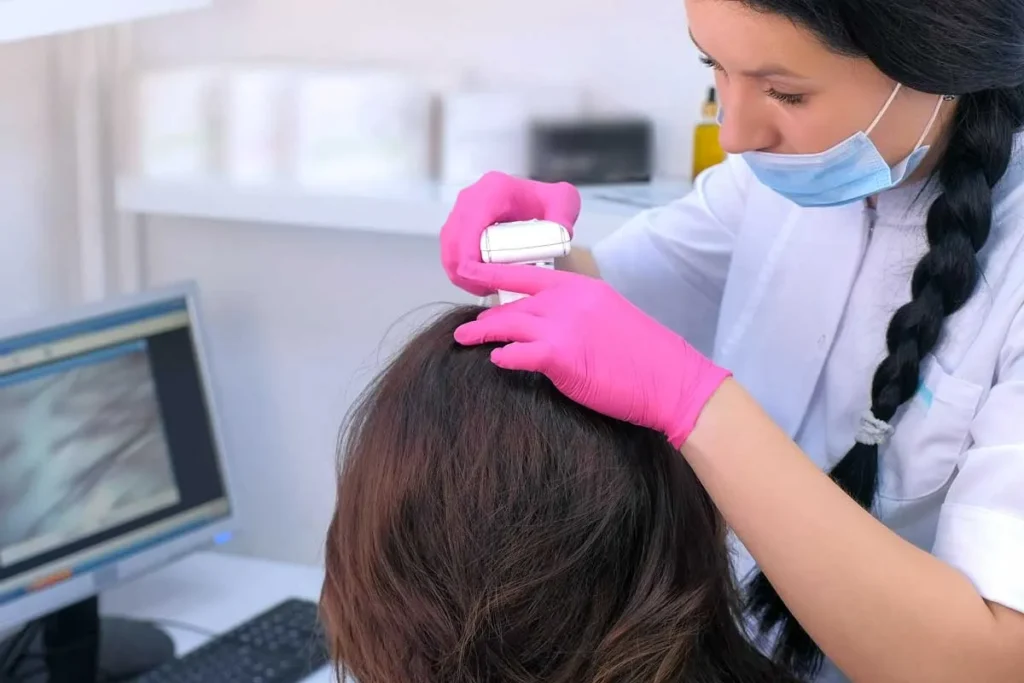
Reaching the one-week mark after hair transplant surgery is a big deal. At this point, most people see a big change in their scalp’s look and feel. The swelling goes down, and the scabs start to fall off on their own.
It’s very important to take good care of your scalp during this time. Knowing what to expect and how to handle any feelings or symptoms helps you take charge of your healing. This can lead to the best results possible. 7 days after hair transplant is the start of fast healing. Follow these expert steps to safely wash your hair and remove scabs properly.
Key Takeaways
Understand the importance of proper care 1 week after hair transplant surgery.
Learn what to expect during this critical recovery phase.
Discover how to manage common sensations and symptoms.
Find out how to ensure the successful establishment of transplanted grafts.
Gain confidence in your ability to care for your hair post-transplant.
What to Expect 7 Days After Hair Transplant
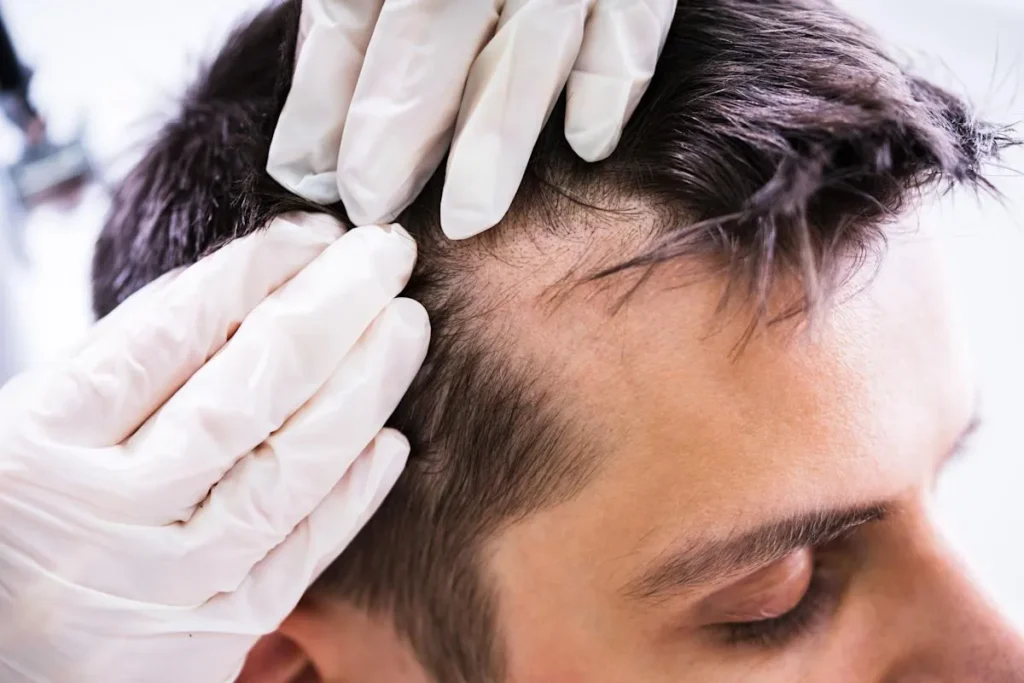
Reaching the 7-day mark after a hair transplant, you might wonder what’s happening under the surface. Your scalp has gone through big changes. Knowing these changes helps you feel more confident as you recover.
Physical Changes in the Scalp
By day 7, most scabs start to fall off from both the donor and recipient areas. This is a normal part of healing. You might see some minor redness, but it should be getting less. Be gentle with your scalp to avoid moving any grafts.
To understand the physical changes better, let’s compare what happens during healing:
Common Sensations and Symptoms
Itching on your scalp as it heals is common. This itchiness means your scalp is getting better. But, it’s important not to scratch to avoid harming the grafts. For more tips on dealing with these symptoms, check out our article on hair transplant aftercare.
Some people might feel their scalp is tight or numb. These feelings should go away soon. If they don’t or worry you, talk to your doctor.
Knowing what to expect 7 days after your hair transplant helps you manage your recovery. This way, you can get the best results from your procedure.
Essential Care Instructions for Week One Post-Transplant
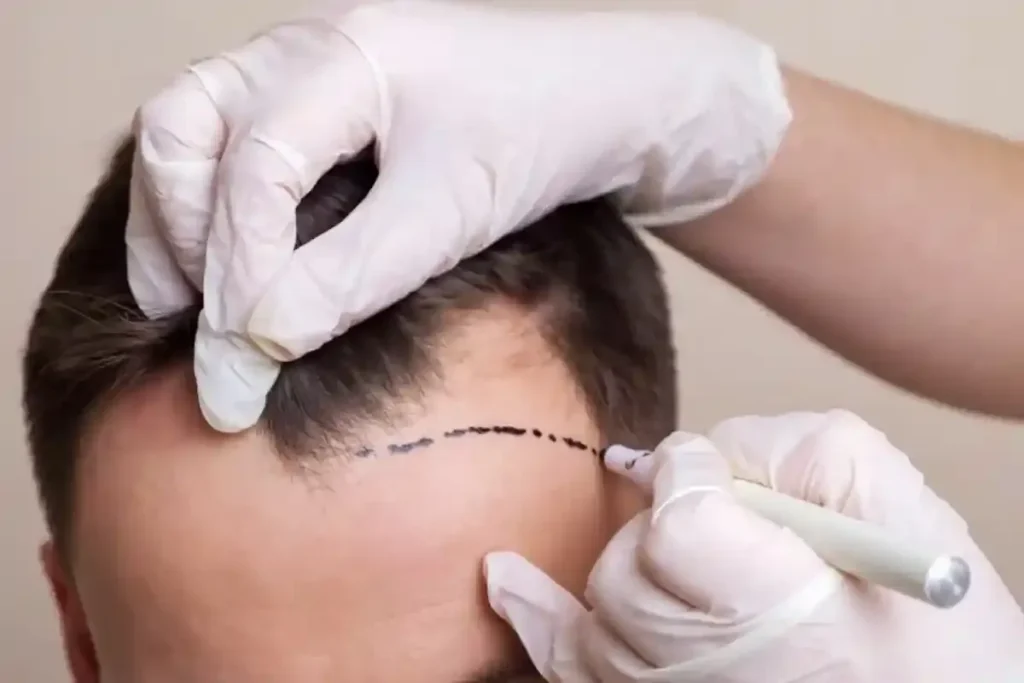
Proper care in the first week after a hair transplant is essential for supporting the grafts and promoting healthy recovery. This period is critical for ensuring that the transplanted hair follicles settle properly and begin to heal.
Washing and Hygiene Protocol
Gentle washing is key in the first week post-transplant. Use a mild, non-irritating shampoo recommended by your surgeon. Clean the scalp gently. Avoid harsh rubbing or scrubbing, as this can dislodge the grafts. Instead, gently massage the shampoo into the scalp with your fingertips.
It’s also important to follow a strict hygiene protocol to prevent infection. Keep the scalp clean and dry. Avoid submerging it in water, such as taking a bath or swimming, until your surgeon advises it’s safe to do so.
Protecting Your Delicate Grafts
During the first week, it’s vital to protect the delicate grafts from damage. Avoid direct sun exposure, as UV rays can harm the sensitive scalp. When going outside, wear a loose-fitting hat to shield your scalp without putting pressure on the grafts.
Also, be mindful of your sleeping position. Try to sleep on your back to minimize friction and pressure on the grafts. Using a travel pillow or a soft, rolled towel can help maintain a safe position.
By following these care instructions diligently, you can significantly enhance the success of your hair transplant. Remember, the first week is a critical period for recovery. Proper care will support the grafts, reduce the risk of complications, and promote optimal healing.
Resuming Normal Activities After Your Hair Transplant
After 7 days, you can start to get back to your usual activities. But, you need to be careful with your new hair grafts. It’s important to ease back into daily life slowly.
Safe Physical Activities at Day 7
By day 7, you can go back to work and do light activities like walking. Gentle exercises that don’t strain you are okay. Start to do more, but stop if you feel pain.
Safe activities include:
Short walks
Light stretching
Non-strenuous yoga or Pilates
Activities to Continue Avoiding
Even though you can do more, some things are off-limits. Avoid heavy lifting, bending, or sweating a lot. These can harm your grafts or cause infection. Also, stay away from the sun and anything that might hurt your scalp.
Things to avoid include:
Contact sports
Heavy gym workouts
Swimming
Some people might itch as they heal. If you itch, don’t scratch hard. It can hurt your grafts. Use a medicated cream or talk to your doctor about itching.
Conclusion
Remember, shedding after a hair transplant is normal. Knowing how long it takes to heal helps you prepare for the journey ahead.
At first, you might feel itchy or uncomfortable. This is common. By following a good care routine and being patient, you can reduce these feelings. This ensures a smooth recovery.
Keeping track of your recovery day by day is helpful. It helps you follow your aftercare instructions better. This way, you can get the most out of your hair transplant and enjoy the results you want.
It’s important to keep caring for your hair and be patient. Sticking to your aftercare routine is key. This way, you’ll get the best results from your hair transplant.
FAQ
What should I expect in terms of scabbing 7 days after hair transplant surgery?
At 7 days post-transplant, most scabs should have fallen off. But, some scabbing or redness might stay. Gently washing your scalp as told can help remove any scabs left.
Is it normal to experience itching after a hair transplant?
Yes, itching is common after hair transplant surgery, including at 7 days post-op. It’s due to healing. Manage it with gentle scalp care and avoid scratching to protect the grafts.
How should I wash my hair 7 days after a hair transplant?
7 days after, you can gently wash your hair with mild shampoo. Use lukewarm water and massage your scalp gently with your fingertips. Avoid hot water, harsh shampoos, and scrubbing hard.
Can I resume my normal exercise routine 7 days after hair transplant surgery?
You can start with light activities 7 days post-transplant. But, avoid hard exercises, heavy lifting, or bending. Stick to short walks and follow your surgeon’s advice.
How long does it take for the transplanted hair to start growing?
The transplanted hair goes through a shedding phase before growing. New growth starts around 3-4 months post-transplant. More growth is seen at 6-12 months.
What are some common complications to watch out for after a hair transplant?
Rare complications include infection, graft failure, or bleeding. Watch for signs of infection like redness, swelling, or pain. Follow your surgeon’s post-op instructions to avoid risks.
Can I dye or style my hair after a hair transplant?
Wait until your scalp heals and the hair grows before dyeing or styling. This is usually after a few weeks. Always check with your surgeon for advice.
How can I protect my grafts from damage during the first week?
Protect your grafts by avoiding sun, not scratching or rubbing your scalp, and gentle washing. Sleeping with your head elevated helps reduce swelling and aids healing.
Is it normal for the donor area to feel tight or itchy after a hair transplant?
Yes, the donor area may feel tight or itchy due to healing. This is usually temporary and can be managed with gentle care and avoiding scratching.
When can I expect to see the final results of my hair transplant?
The final results take up to a year or more to show. Be patient and follow your surgeon’s care instructions for the best results.
References
https://wimpoleclinic.com/blog/hair-transplant-after-7-days-photos-results-aftercare





