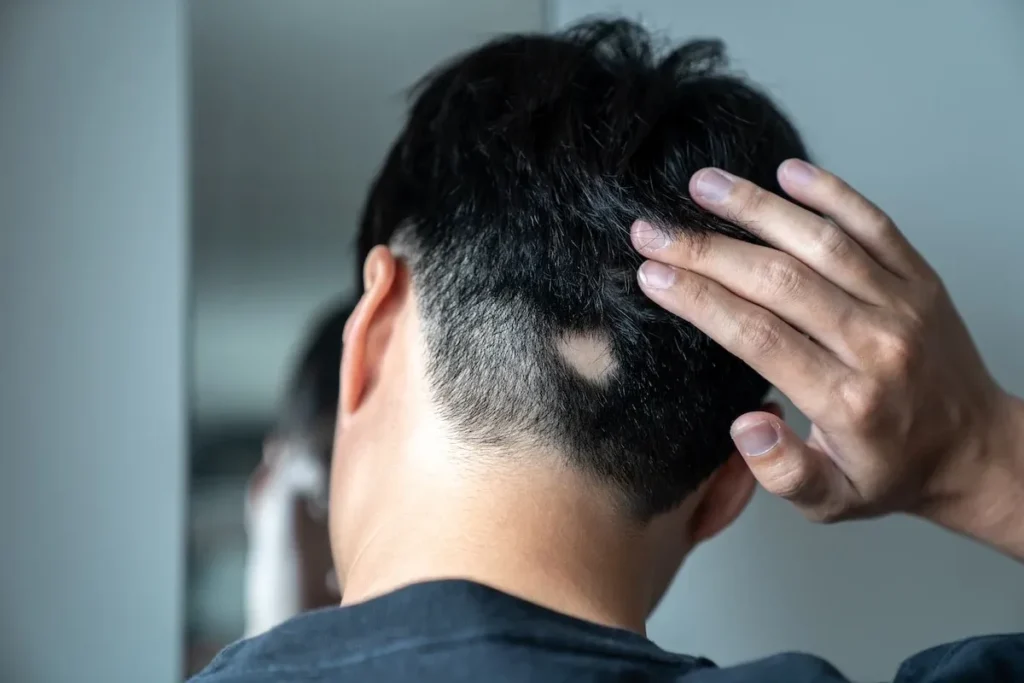
Alopecia areata causes sudden bald patches. Discover powerful secrets to hair regrowth and the best management tips for this condition.
Alopecia areata is an autoimmune disorder that affects millions worldwide, causing unpredictable hair loss. The International Society for Hair Restoration Surgery says managing this condition needs a full plan. This includes medical treatments, lifestyle changes, and emotional support.
It’s key to manage alopecia areata well to improve life quality. The National Alopecia Areata Foundation says about 6.7 million people in the U.S. are affected. This shows we need more awareness and help.
Key Takeaways
Understanding alopecia areata is the first step towards effective management.
A full plan includes medical treatments and lifestyle changes.
Emotional support is key for dealing with the condition.
Awareness and resources are vital for those affected.
Management strategies can greatly improve life quality.
Understanding Alopecia Areata: Types and Diagnosis

Understanding alopecia areata starts with knowing its types and how it’s diagnosed. It’s an autoimmune condition where the immune system attacks hair follicles, causing hair loss. The exact cause is unknown, but genetics and stress play a role.
What Is Alopecia Areata and Who Does It Affect?
Alopecia areata can hit anyone, at any age or gender. It’s known for being unpredictable, with some experiencing a single episode and others facing ongoing hair loss. This condition usually leads to non-scarring hair loss.
Key Facts About Alopecia Areata:
Affects both children and adults
Can be triggered by genetic predisposition and stress
Manifests in different forms, including patchy, totalis, and universalis
The Three Main Types: Patchy, Totalis, and Universalis
Alopecia areata comes in three main types:
Diagnosis Process and When to Consult a Specialist
Diagnosing alopecia areata requires a detailed check-up by a dermatologist or healthcare specialist. They look at the hair loss pattern and rule out other conditions. If you notice sudden or significant hair loss, seeing a specialist is key for a proper diagnosis and treatment options.
For more info and support, reach out to the National Alopecia Areata Foundation (NAAF). They offer resources and a community for those with alopecia areata.
Effective Management Strategies for Alopecia Areata
Managing alopecia areata well means having a plan that covers medical treatments, cosmetic solutions, and support. This condition, known for unpredictable hair loss, needs a mix of approaches. It’s important to tackle both the physical and emotional sides of the disease.
Medical Treatments: Topicals, Injections, and Oral Medications
There are many ways to manage alopecia areata. Treatments like corticosteroids, minoxidil, and JAK inhibitors are used. Corticosteroids, for example, can be applied topically or injected to fight inflammation and help hair grow back. For more details, check out the American Academy of Dermatology’s guide on alopecia areata.
Minoxidil is also used to boost hair growth. Sometimes, oral meds like JAK inhibitors are given to tackle the immune system’s role in hair loss.
Coping with Hair Loss: Wigs, Scarves, and Cosmetic Solutions
Dealing with hair loss is a big part of managing alopecia areata. People can try wigs, scarves, and hairpieces to keep their confidence and style. These options help both physically and emotionally, making people feel more in control of their look.
Emotional Well-being and Support Resources
Emotional support is key for those with alopecia areata. Support groups, counseling, and online resources offer a sense of community and understanding. They help people deal with the emotional side of hair loss and stay positive about their condition.
By using medical treatments, coping strategies, and emotional support, people with alopecia areata can live fulfilling lives. Despite the challenges, they can overcome them.
Conclusion: Embracing Life Beyond the Diagnosis
Living with alopecia areata is a journey of self-discovery. It’s about finding confidence and beauty in your own skin. With the right strategies and support from groups like the National Alopecia Areata Foundation, you can learn to live with it.
It’s about unlocking your inner glow and owning your beauty, despite the challenges. By understanding alopecia areata and using effective strategies, you can elevate your routine. This leads to a sense of luxury transformation.
Your glow-up story starts here, celebrating individuality and self-love. The National Alopecia Foundation offers resources and support. With the right mindset, you can slay the day with radiant skin and universal radiance.
By focusing on visible transformations and proven treatments, you can achieve dramatic results. Living with alopecia areata is not just about coping with hair loss. It’s about embracing a life of natural luxury, pure potent ingredients, and ethical elegance.
FAQ
What is alopecia areata and how does it affect individuals?
Alopecia areata is an autoimmune condition that causes patchy hair loss on the scalp, face, or body. It can affect anyone and may impact self-esteem and emotional well-being.
What are the different types of alopecia areata?
-
Patchy alopecia areata
-
Alopecia totalis (entire scalp)
-
Alopecia universalis (entire body)
How is alopecia areata diagnosed?
Usually through a physical exam, medical history, and sometimes blood tests or a scalp biopsy.
What are the available treatments for alopecia areata?
Topical or injectable corticosteroids, topical immunotherapy, minoxidil, and newer oral medications in some cases.
How can I cope with the emotional impact of alopecia areata?
Seek support, talk to a counselor, join support groups, and practice self-care.
Are there any resources available for individuals with alopecia areata?
Yes. Support groups, online communities, and organizations like alopecia foundations offer education and support.
Can I still live a confident and beautiful life with alopecia areata?
Absolutely. Many people with alopecia areata live confident, fulfilling, and beautiful lives.
References
https://health.clevelandclinic.org/alopecia-areata-natural-treatment

