Alopecia areata is a chronic autoimmune disease that affects many parts of the body. This includes the health of your fingernails and toenails. It’s known for causing patchy hair loss, but many people and doctors miss the nail changes too.
About 20% to 30% of people with alopecia areata see changes in their nails. These can range from small pits to very brittle nails. Knowing how to spot these changes is key. They can show how severe the disease is and might change how it’s treated. Alopecia areata fingernails changes are hidden signs of the disease. Learn to identify pitting and ridges to better manage your condition.
Key Takeaways
Nail changes occur in 20-30% of people with alopecia areata.
Changes can include pitting, brittleness, and ridging.
Nail alterations can precede, coincide with, or follow hair loss.
Early identification of nail changes can improve disease management.
Alopecia areata universalis is more likely to cause nail changes.
Understanding Alopecia Areata and Nail Involvement
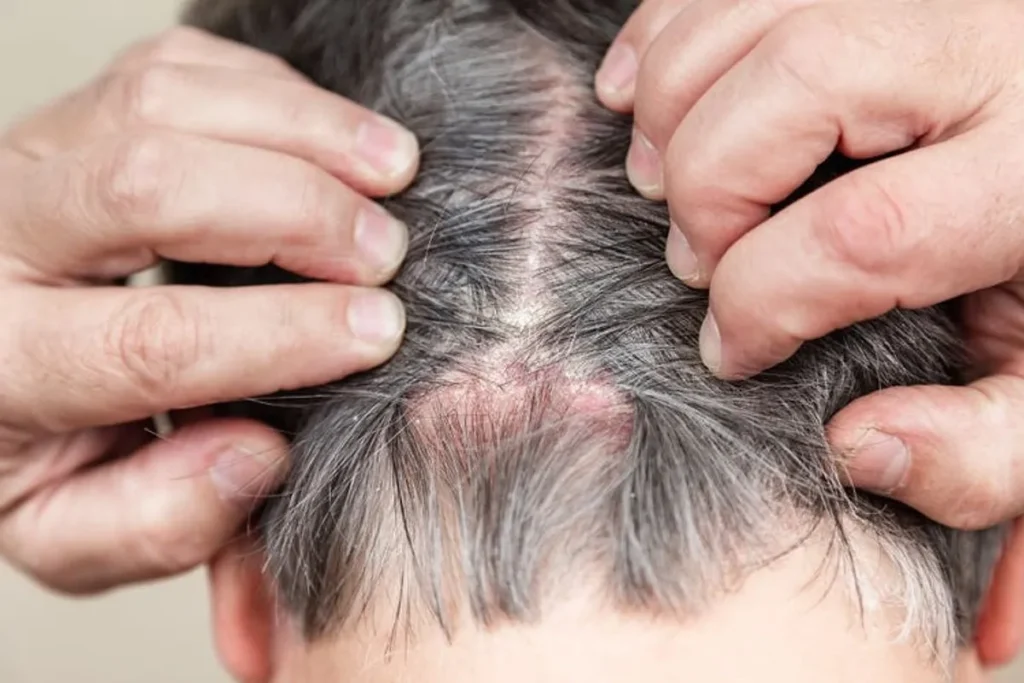
It’s important to understand how alopecia areata and nail changes are connected. Alopecia areata is an autoimmune disease that causes hair loss and can also affect the nails. Nail changes in alopecia areata can happen in many ways. It’s key to check and treat these changes properly.
What is Alopecia Areata?
Alopecia areata happens when the body’s immune system attacks hair follicles by mistake. This leads to hair loss. It can also affect the nails, causing different changes.
How Common Are Nail Changes in Alopecia Areata?
Nail changes happen in many people with alopecia areata. Studies show that between 10% to 64% of patients experience these changes. Nail pitting is a common sign. For more info, check out the study in Acta Derm Venereol.
Why Nail Assessment Matters
Checking nail involvement is key to understanding the disease’s extent and planning care. Nail changes can show how severe the disease is. They might also suggest a harder-to-treat condition. So, a thorough check is essential for managing alopecia areata well.
Common Nail Changes in Alopecia Areata Fingernails
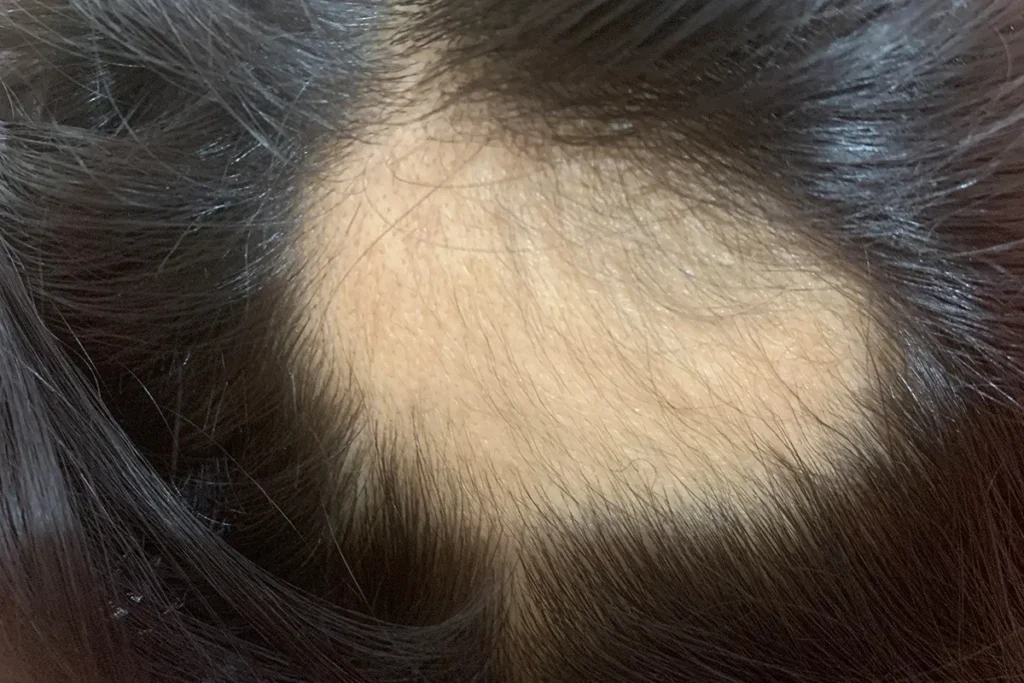
Alopecia areata often causes noticeable changes in fingernails. These changes can worry those affected, impacting their scalp and nail health.
Nail Pitting: Appearance and Frequency
Nail pitting is a common sign of alopecia areata in fingernails. It looks like small, shallow pits on the nail surface, making it rough. Studies show that nail pitting affects about 20% to 60% of patients with alopecia areata, making it quite common.
Trachyonychia: The Sandpaper Nail Texture
Trachyonychia, or sandpaper nails, is another big nail change with alopecia areata. It makes nails feel rough and look like sandpaper because of ridges. This happens in 8% to 23% of cases, affecting nail look and health.
Other Key Manifestations: Leukonychia, Ridging, and Brittleness
Alopecia areata can also cause other nail changes, including:
Leukonychia: White spots on the nails, leukonychia is common.
Ridging: Longitudinal ridging can occur, sometimes with trachyonychia.
Brittleness: Nails may become brittle, prone to breaking or splitting.
These nail changes can vary in severity and impact nail health and look. Knowing about these changes is key to managing nail health in those with alopecia areata.
How to Examine and Identify Specific Nail Changes
To spot nail changes in alopecia areata, you need to be very careful. A detailed look can show how the condition is moving and help find the right treatment.
Step-by-Step Visual Inspection Techniques
Start by looking closely at the nail plate for any odd signs. Look for pitting or ridging. Also, check the nail surface for any small changes that might point to alopecia areata.
Look for pits or depressions on the nail surface.
Check for changes in nail texture, such as trachyonychia.
Examine the nail for signs of brittleness or breakage.
Differentiating Alopecia-Related Changes from Other Conditions
It’s important to tell apart alopecia-related nail changes from other issues. For example, iron deficiency can make nails brittle or dented, looking like alopecia areata. A detailed medical history and check-up can help figure out the real cause.
Documenting Nail Changes for Medical Consultation
It’s key to write down the nail changes you see for a doctor’s visit. Note where and how bad the changes are. This info is super helpful for making a good treatment plan.
By following these steps and keeping a record of your nail changes, you can get a correct diagnosis and the right treatment for alopecia areata.
Conclusion: What Nail Changes Reveal About Disease Progression
Nail changes in alopecia areata are more than just cosmetic concerns. They can show how severe the disease is and how it’s progressing. Signs like alopecia dents in nails or brittle toenails might mean the condition is worse. This could be linked to brittle toenails and hair loss.
It’s important to notice these changes to manage the disease well. Knowing the signs helps people get medical help early. This can lead to better results. Pictures of alopecia nails can help spot these changes. They aid in getting a full check-up and the right treatment for hair and nail issues.
Grasping the connection between nail changes and alopecia areata helps people manage their condition better. This can improve their overall health and well-being.
FAQ
What are the common nail changes associated with alopecia areata?
Nail changes include pitting, trachyonychia (a sandpaper-like texture), leukonychia (white spots), ridging, and brittleness. These can affect both fingernails and toenails.
How common are nail changes in alopecia areata patients?
Nail changes happen in a big range of patients, from 10% to 64%. This shows how different the condition can be for each person.
What is nail pitting, and how is it related to alopecia areata?
Nail pitting means small, shallow pits on the nail. It’s the most common sign in alopecia areata, showing how the condition affects nails.
Can alopecia areata cause brittleness or ridging in nails?
Yes, alopecia areata can make nails brittle and ridged. These changes, along with pitting and trachyonychia, show the variety of nail issues it can cause.
How can I identify nail changes related to alopecia areata?
To spot nail changes, look closely at the nail surface. Check for pits, texture for trachyonychia, and signs of leukonychia, ridging, or brittleness.
Why is it important to document nail changes for medical consultation?
Recording nail changes helps doctors. It helps them create a treatment plan that covers both hair loss and nail issues.
Are nail changes in alopecia areata a sign of disease severity?
Yes, nail changes can show how severe the disease is. They might need detailed treatment. Checking nail involvement is key to understanding the disease’s extent.
Can nail changes occur without hair loss in alopecia areata?
While alopecia areata is known for hair loss, nail changes can happen with or without it. This means a full check-up is important.
How do nail changes in alopecia areata affect nail health?
Nail changes can really affect nail look and health. They can lead to brittleness, ridging, and texture changes. These might need special care and treatment.
References
National Center for Biotechnology Information. Evidence-Based Medical Insight. Retrieved from https://pubmed.ncbi.nlm.nih.gov/11907503/