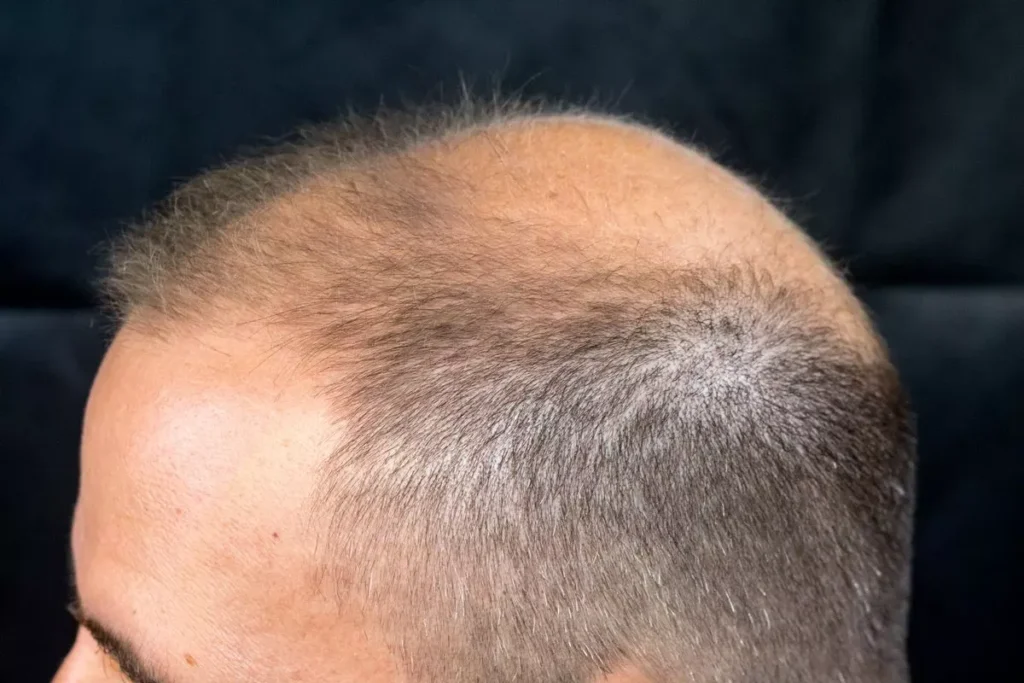
alopecia areata totalis, total baldness, alopecia treatment, autoimmune hair loss, alopecia universalis, scalp hair regrowth
Start your journey to regain your beautiful hair with our detailed guide on treating alopecia totalis. This condition leads to complete scalp hair loss, a severe form of alopecia areata. It’s important to understand it and get treatment early to bring back your natural beauty and confidence.
We focus on top beauty and elegance in our guide. We’ll show you the best total alopecia treatment options. This will help you shine from within and confidently show off your beauty. Our guide covers the latest treatments and lifestyle tips to fight complete baldness effectively.
Key Takeaways
Understanding the causes and symptoms of alopecia totalis
Exploring effective treatment options for total alopecia
Learning lifestyle management techniques to promote hair growth
Discovering cutting-edge treatments for complete baldness
Empowering yourself with knowledge to tackle alopecia totalis
Understanding Alopecia Areata Totalis

Alopecia totalis is a severe form of alopecia areata. It means losing all hair on the scalp. This condition affects not just the scalp but also a person’s overall well-being and how they see themselves.
What Is Alopecia Totalis?
Alopecia totalis means losing all hair on the scalp. It’s a more severe form of alopecia areata. In this condition, the immune system attacks hair follicles, causing hair loss. The transition from alopecia areata to totalis can be unpredictable and varies from person to person.
Key characteristics of alopecia totalis include:
Complete hair loss on the scalp
Potential for nail changes or other associated conditions
Autoimmune nature, with the body’s immune system targeting hair follicles
Prevalence and Statistics
Many people with alopecia areata will eventually lose all hair on their scalp. Studies show that the risk of getting alopecia totalis is high, even more so if there’s a family history or other autoimmune diseases.
Prevalence statistics highlight the importance of awareness and understanding:
A notable percentage of individuals with alopecia areata will experience total scalp hair loss.
The condition can affect anyone, regardless of age or background, though certain factors may increase the risk.
Risk Factors and Associated Conditions
Several factors can increase the risk of getting alopecia totalis. These include genetic predisposition, other autoimmune conditions, and environmental triggers. Knowing these risk factors is important for early detection and management.
Associated conditions and risk factors include:
Understanding alopecia totalis helps individuals manage their condition better. Knowing about its definition, prevalence, and risk factors is key. Early awareness and intervention are essential for managing this condition effectively.
Treatment Options for Alopecia Totalis
For those with alopecia totalis, many treatments are available. These range from traditional corticosteroids to new JAK inhibitors. Understanding these treatments is key to managing the condition.
Corticosteroid Treatments
Corticosteroids are a common choice for alopecia totalis. They can be applied topically, taken orally, or injected. Topical corticosteroids are often the first choice because they work locally and have fewer side effects. A dermatologist notes, “Corticosteroids can reduce inflammation and help hair grow back in some cases.”
Immunotherapy Approaches
Immunotherapy is another option for treating alopecia totalis. It uses medications to change how the immune system reacts. Diphencyprone (DPC) is applied topically to cause an allergic reaction, which can lead to hair growth. This treatment needs careful management because of possible side effects.
JAK Inhibitors and Emerging Treatments
JAK inhibitors are a new class of treatments for alopecia totalis. These oral medications block immune system pathways that cause hair loss. Baricitinib and tofacitinib are being studied for their ability to promote hair growth.
Lifestyle Management and Support
Lifestyle changes and support are important for managing alopecia totalis. While not a cure, stress management techniques, a balanced diet, and gentle hair care can improve well-being. A healthcare professional says, “A holistic approach can greatly improve life quality for those with alopecia totalis.”
Combining these treatments with a supportive lifestyle can help manage the condition. It may also lead to significant hair regrowth.
Conclusion
Dealing with alopecia totalis or alopecia universalis can be tough. It’s about facing complete baldness or total hair loss. Knowing that total hair loss is called alopecia universalis or full alopecia is key for those affected.
Exploring different treatments and getting professional advice is important. This helps on the path to regrowth and confidence.
Understanding your condition is the first step to reclaiming your beauty and confidence. Alopecia universalis needs a detailed management plan. With the right help, you can handle its challenges.
Your journey to a glowing self starts with recognizing your condition and seeking expert advice. With professional guidance, you can improve your routine. This way, you can manage your hair loss and aim for a radiant glow and timeless beauty.
FAQ
What is alopecia totalis?
Alopecia totalis is a severe form of alopecia areata. It causes the loss of all hair on the scalp. Managing it requires a mix of treatments and lifestyle changes.
What are the risk factors for developing alopecia totalis?
Risk factors include a family history, autoimmune diseases, and other health issues. Knowing these can help in the journey towards hair regrowth and confidence.
What are the treatment options for alopecia totalis?
Treatments include corticosteroids, immunotherapy, JAK inhibitors, and new treatments. These options offer hope for hair regrowth and should be used with lifestyle management and support.
How effective are corticosteroid treatments for alopecia totalis?
Corticosteroids are proven to treat alopecia totalis. They reduce inflammation and help hair grow back.
What is the role of immunotherapy in treating alopecia totalis?
Immunotherapy modifies the immune system to promote hair growth. It’s an effective treatment for alopecia totalis.
What are JAK inhibitors, and how do they work?
JAK inhibitors block enzymes that can cause hair loss. They are a promising treatment for alopecia totalis.
How can lifestyle management and support help with alopecia totalis?
Lifestyle management and support are key for well-being with alopecia totalis. This includes managing stress, dietary changes, and seeking help from professionals and support groups.
What labs or blood work are typically done for alopecia areata totalis?
Blood tests for alopecia areata totalis check for underlying conditions. This includes autoimmune diseases or nutritional deficiencies that may cause hair loss.
Can alopecia totalis be treated if it has progressed to alopecia universalis?
Alopecia universalis is more extensive, but treatments are available. These include immunotherapy, JAK inhibitors, and other new treatments.

