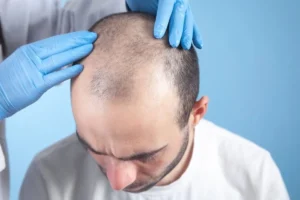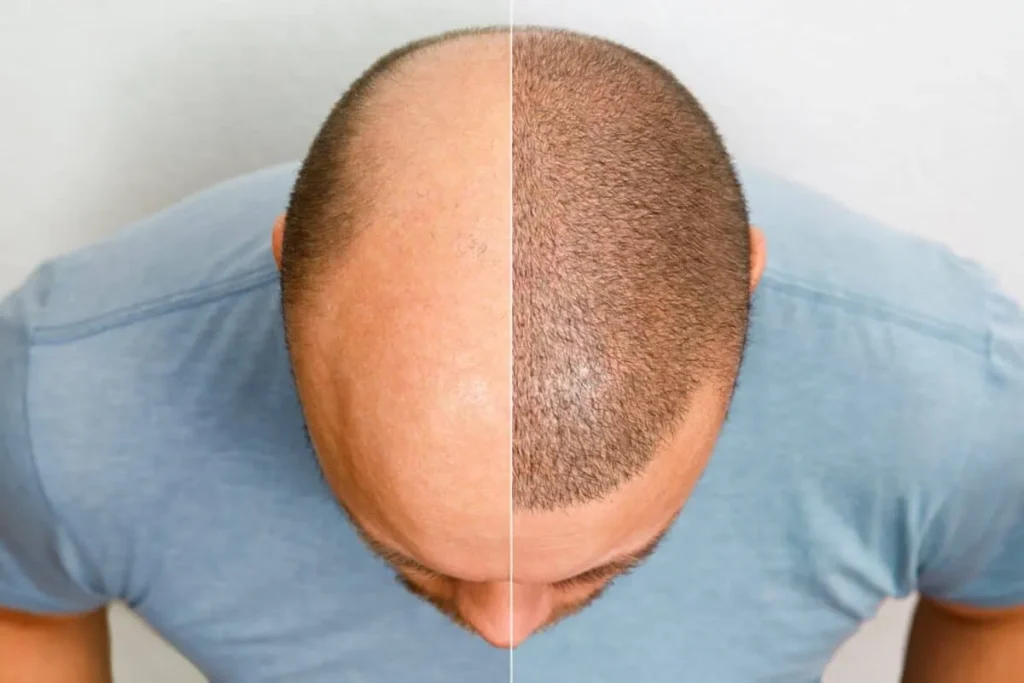
Alopecia areata treatments have shown proven results. Explore the latest therapy options and find the right path to restoring your hair.
Alopecia areata is an autoimmune condition that affects about 2% of the world’s population. It causes unpredictable hair loss, which can really hurt your self-esteem and quality of life. Knowing how to treat alopecia areata is very important for those who have it.
New medical therapies, like innovative treatments, are giving people hope for growing their hair back. JAK inhibitors and monoclonal antibodies are leading the way in alopecia hair treatment.
Start your journey to get your hair back with our detailed guide. We focus on luxury and confidence. We’ll show you the latest treatment for alopecia hair loss. This will help you understand the complex world of alopecia treatment.
Key Takeaways
Understanding alopecia areata is the first step to treating it effectively.
New medical therapies offer hope for hair regrowth.
JAK inhibitors and monoclonal antibodies are leading in innovative treatments.
A detailed guide can help you navigate the complex world of alopecia areata treatments.
Luxury and confidence are key to reclaiming your hair’s full beauty.
Understanding Alopecia Areata
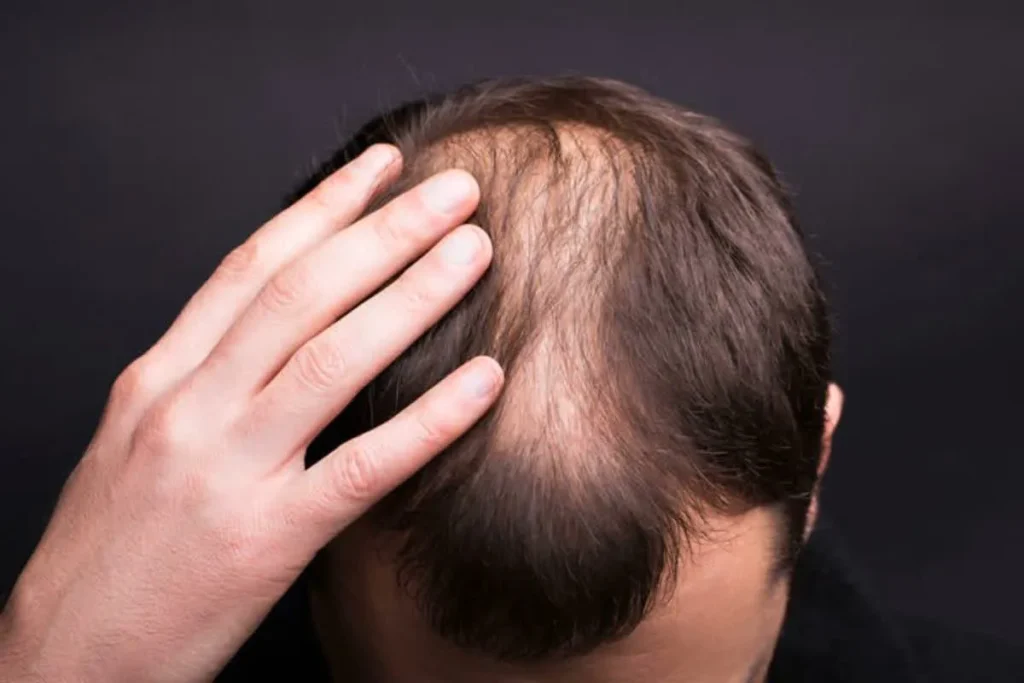
Learning about alopecia areata is key for those dealing with it. It causes patchy hair loss, often on the scalp and body. Many look for answers about its causes and treatments.
What Is Alopecia Areata?
Alopecia areata happens when the immune system attacks hair follicles. This leads to hair loss. It can hit anyone, at any age, and its impact varies a lot.
Researchers are trying to figure out why alopecia areata happens. They think genetics and the environment play big roles.
Causes and Risk Factors
The exact reason for alopecia areata is not known. But, some risk factors have been found. These include a family history, other autoimmune diseases, and environmental triggers.
A family history of alopecia areata raises your risk.
Having other autoimmune diseases, like thyroid disease or vitiligo, is a risk factor.
Stress and some environmental factors can make the condition worse.
Recognizing the Symptoms
Spotting the signs of alopecia areata is the first step to managing it. Common symptoms include:
Patchy hair loss on the scalp or body.
Smooth, round bald patches.
In some cases, hair loss can spread, leading to total baldness.
If you think you have alopecia areata, see a dermatologist. They can give a proper diagnosis and talk about treatment options. This includes alopecia drug treatment and other therapies.
Traditional Alopecia Areata Treatments
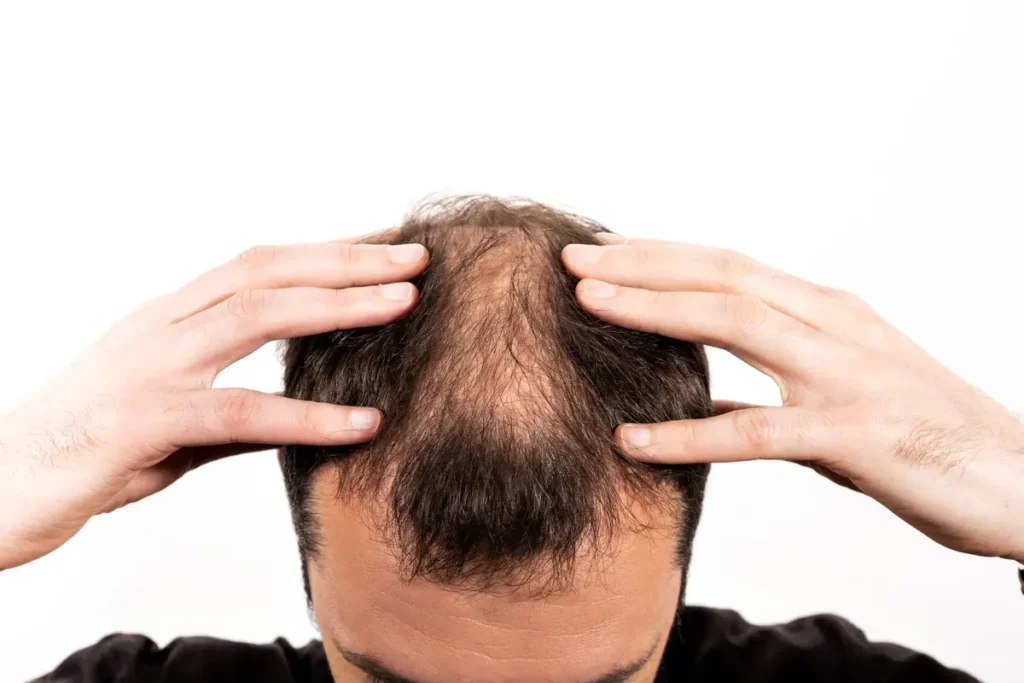
Traditional treatments have long been key in managing alopecia areata. They help many people regain their hair and confidence.
Topical Treatments
Topical treatments are often the first choice for alopecia areata. Corticosteroids reduce inflammation and help hair grow. Minoxidil also stimulates hair regrowth. These are applied directly to the affected areas, making them easy to use.
Topical treatments are easy to apply and have few side effects. But, it’s important to follow a healthcare professional’s advice for the best results.
Corticosteroids to reduce inflammation
Minoxidil to stimulate hair regrowth
Anthralin, another topical treatment that can help
Intralesional Corticosteroid Injections
For severe cases, intralesional corticosteroid injections are effective. These injections put corticosteroids directly into the affected areas. This method is great for patchy hair loss.
Topical Immunotherapy Options
Topical immunotherapy involves applying a chemical to the scalp. This causes an allergic reaction, which helps hair grow. It’s used for extensive or resistant cases.
Topical immunotherapy can be effective but needs regular use. You’ll also need to see a healthcare provider often to adjust the treatment.
Knowing about traditional treatments for alopecia areata helps people make informed choices. By talking to a healthcare professional, those affected can find a treatment plan that works for them.
Advanced Alopecia Areata Treatments
New treatments are changing how we manage alopecia areata. They offer hope to those affected. These medical breakthroughs bring effective therapies that boost confidence in those with this condition.
JAK Inhibitors Revolution
JAK inhibitors are a big step forward in treating alopecia areata. Baricitinib, a JAK inhibitor, has shown great results in trials. It helps a lot of people with severe alopecia areata grow back their hair.
Using JAK inhibitors is a big change for many patients. It offers a new hope compared to old treatments. These drugs target the cause of hair loss, showing the power of modern science in treating skin conditions.
Emerging Breakthrough Therapies
New treatments like Bempikibart and deuruxolitinib are also making a difference. They have shown good results in early tests. These treatments aim to give dramatic results for those with alopecia areata.
The work on these new treatments shows the focus on results in modern dermatology. It’s about finding treatments that really help patients. As research keeps improving, we can expect even better treatments in the future.
Treatment Market Growth and Accessibility
The demand for effective alopecia areata treatments is growing. As more people learn about these treatments, they become more available. The market is expected to grow as research and new treatments keep coming.
The table shows the variety of new treatments and how they work. It highlights the innovation in treating alopecia areata. As these treatments become more available, they mark a big step forward in managing the condition. They bring luxurious elegance and empowering confidence to those affected.
Conclusion: Managing Expectations and Next Steps
Reclaiming your hair from alopecia areata is a personal journey. There are many treatment options available. It’s important to manage your expectations.
The global alopecia treatment market is growing fast. This growth brings hope to those with alopecia areata. It shows there’s a demand for effective treatments.
Embracing your evolving beauty is essential. Stay updated on new treatments and talk to healthcare experts. Your path to regaining your hair is unique. With the right treatment, you can become more confident.
FAQ
What is alopecia areata, and how does it affect hair growth?
Alopecia areata is an autoimmune condition. It causes patchy hair loss, often on the scalp and body. This disrupts normal hair growth cycles.
What are the traditional treatments for alopecia areata?
Traditional treatments include topical corticosteroids to reduce inflammation. Minoxidil is used to stimulate hair growth. Intralesional corticosteroid injections target affected areas directly.
What are JAK inhibitors, and how do they treat alopecia areata?
JAK inhibitors, like Baricitinib, are advanced therapies. They have shown significant efficacy in clinical trials. They target the immune system’s pathways involved in alopecia areata, promoting hair regrowth.
Are there any emerging breakthrough therapies for alopecia areata?
Yes, emerging therapies like bempikibart and deuruxolitinib are showing promising results. They offer new hope for those with severe alopecia areata.
How can I manage my expectations when treating alopecia areata?
Managing expectations involves understanding the array of treatment options available. Stay informed about the latest advancements. Consult with healthcare professionals to find the best path forward.
Is there a cure for alopecia areata?
Currently, there is no definitive cure for alopecia areata. But various treatments can help manage the condition and promote hair regrowth.
How is alopecia areata diagnosed?
Diagnosis typically involves a clinical examination. Sometimes, a scalp biopsy is done to rule out other conditions. Healthcare professionals assess the pattern and extent of hair loss.
Can alopecia areata be treated at home?
While some mild cases may be managed with over-the-counter treatments like minoxidil. More severe cases often require medical supervision and prescription treatments.
What is the future of alopecia areata treatment?
The future looks promising with ongoing research into new therapies. This includes JAK inhibitors and other emerging treatments. They offer improved outcomes for those affected.
How do I choose the right treatment for my alopecia areata?
Choosing the right treatment involves consulting with healthcare professionals. Consider the severity of your condition. Evaluate the benefits and side effects of different treatment options.