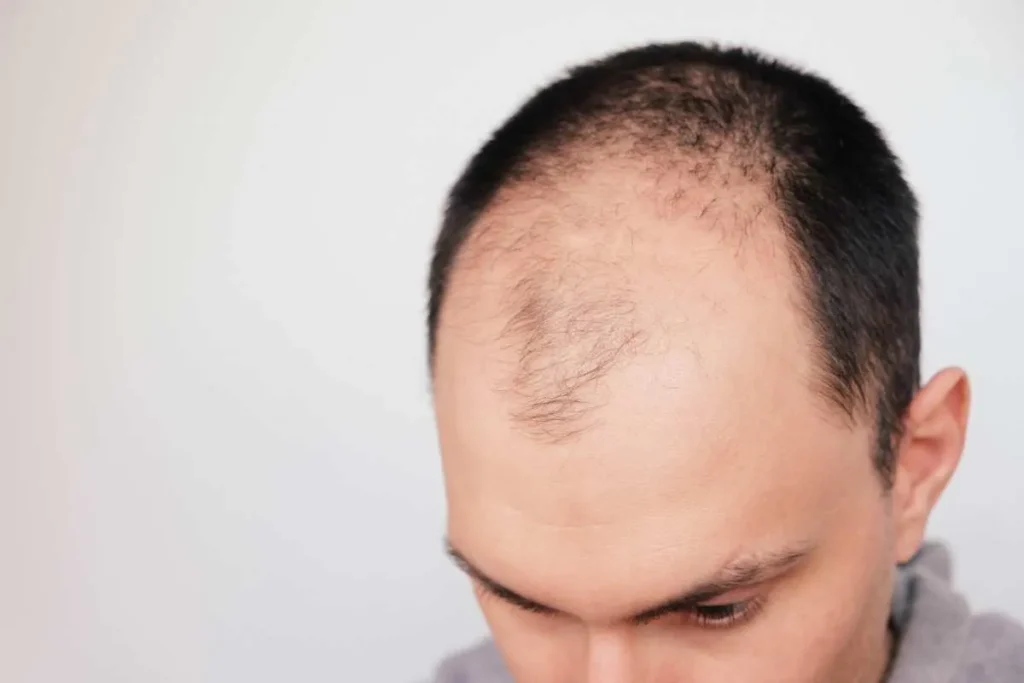
Alopecia dents in nails are key warning signs of autoimmune hair loss. Discover how to treat these symptoms and restore your hair health.
Alopecia areata is an autoimmune condition that leads to hair loss due to inflammation around hair follicles. It affects not just the scalp but also the nail matrix, causing different nail changes.
It’s important to know the symptoms of alopecia areata early. Studies show that many patients experience nail alterations. These can include changes in texture, shape, or color.
Spotting these changes early can lead to better health and self-confidence. The way alopecia areata affects one’s looks is significant. So, it’s key to address these changes quickly.
Key Takeaways
Alopecia areata is an autoimmune condition causing hair loss and nail changes.
Nail alterations occur in a significant percentage of patients.
Early detection is key for effective treatment.
Understanding the condition can improve overall well-being.
Nail changes can impact an individual’s confidence.
Understanding Alopecia Areata and Its Impact on Nails

Alopecia areata affects both hair and nails. It’s an autoimmune condition that causes hair loss. But it doesn’t stop there; it also changes nail health.
What is Alopecia Areata?
Alopecia areata is an autoimmune reaction. The body’s immune system attacks hair follicles, causing hair loss. It also affects nails, leading to various changes.
How Common Are Nail Changes in Alopecia Patients?
Nail changes in alopecia areata occur in about 22% to 30% of patients. Some studies show rates up to 83.8%. Around 45% of people with alopecia areata see nail changes, affecting one to all nails.
When Nail Changes Occur in Relation to Hair Loss
Nail changes can happen before, during, or after hair loss. The timing and severity vary. Factors like genetics and the autoimmune reaction play a role.
Understanding alopecia areata helps cope with the condition. It’s important to seek treatment for both hair loss and nail changes.
Common Alopecia Dents in Nails and Other Nail Manifestations
Alopecia areata doesn’t just cause hair loss. It can also change your nails a lot. People with this condition often see many nail symptoms that can make them feel bad.
Nail Pitting: The Most Common Sign
Nail pitting is the most common nail problem linked to alopecia areata. It happens in about 70% of those with nail changes. This condition is marked by small depressions or pits on the nails’ surface. These pits can be shallow or deep and may show up randomly or in a line.
Trachyonychia (Rough, Sandpaper-like Nails)
Trachyonychia affects about a quarter of people with nail changes from alopecia areata. This makes nails rough, brittle, and feels like sandpaper. It can hit one or many nails and might come with other nail problems.
Leukonychia (White Spots on Nails)
Leukonychia is another common nail sign of alopecia areata. It shows up as white spots or patches on the nails. This happens because of abnormal nail cell growth and can worry people with alopecia areata.
Red Lunula (Redness at the Base of Nails)
Red lunula is when the base of the nails turns red or gets erythema. It’s linked to alopecia areata among other things. For more on alopecia areata and its nail effects, check out alopecia areata page.
Knowing about these nail signs is key for those with alopecia areata. They can really affect how well you live. By spotting these signs, people can find the right treatment and care.
Conclusion: What Nail Changes Mean for Your Alopecia Journey
Dealing with alopecia areata can be tough, with nail changes adding to the challenge. It’s key to know the different nail changes linked to this condition. This helps you understand its effect on your health.
Nail pitting and trachyonychia can be upsetting. But, there are treatments that can ease these symptoms. It’s important to work with a healthcare provider to manage nail changes that affect your daily life or cause pain.
Knowing how nail changes and hair loss are connected can help you manage your alopecia journey. By recognizing signs and getting professional help when needed, you can increase your confidence. This can help you reveal a brighter version of yourself.
Embracing your unique beauty and staying updated on treatment options can greatly impact your journey. Own your beauty and let your inner light shine.
FAQ
What is alopecia areata and how does it affect nails?
Alopecia areata is an autoimmune condition that causes hair loss. It can also lead to nail changes like pitting, trachyonychia, and leukonychia. These changes can affect a person’s confidence and overall well-being.
How common are nail changes in patients with alopecia areata?
Nail changes are quite common in patients with alopecia areata. Studies show that up to 46% of patients experience some nail involvement.
What are the most common nail manifestations of alopecia areata?
The most common nail changes in alopecia areata include nail pitting and trachyonychia. Leukonychia (white spots) and red lunula (redness at the base) are also common.
Can alopecia areata cause brittle nails or hair loss and nail changes simultaneously?
Yes, alopecia areata can cause brittle nails. It’s common for people to experience hair loss and nail changes at the same time. This is because the condition affects both hair follicles and nails.
Are there any treatments available for nail changes associated with alopecia areata?
While there’s no cure for alopecia areata, treatments can help manage nail changes. Topical corticosteroids, nail strengthening treatments, and intralesional injections are some options.
Can iron deficiency contribute to nail changes in alopecia areata?
Yes, iron deficiency can lead to brittle nails and fragility. This is a concern for people with alopecia areata.
How can I manage nail changes associated with alopecia areata and boost my confidence?
Understanding the condition and seeking professional help are key. Using targeted treatments can help manage nail changes. This way, individuals can regain confidence and embrace their unique beauty.

