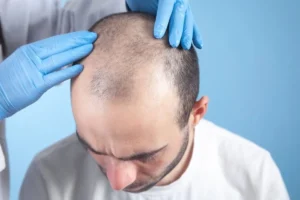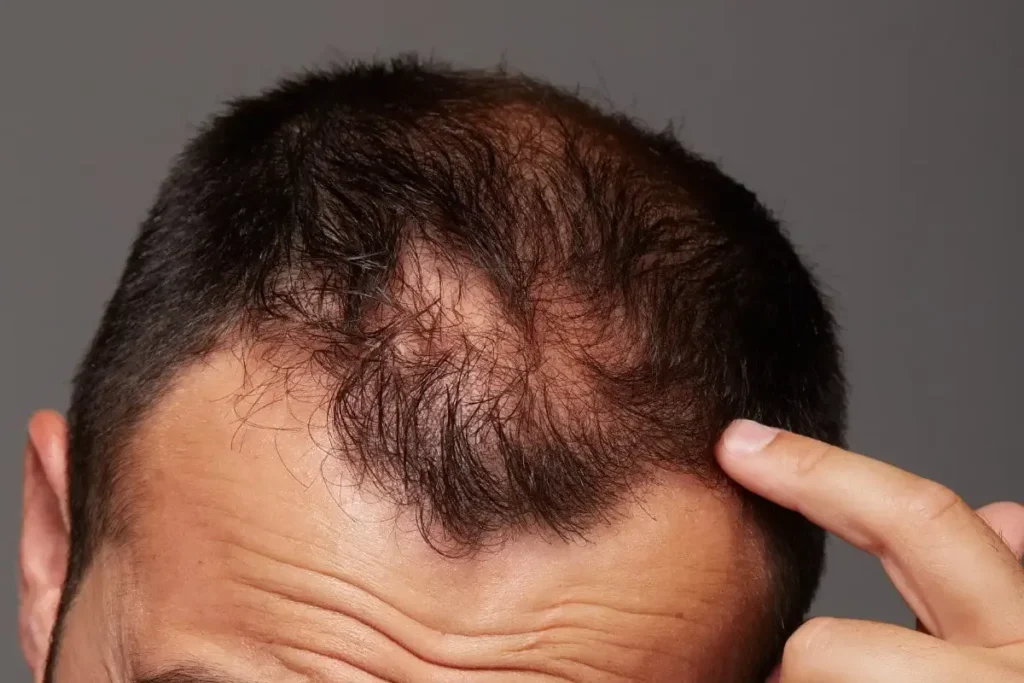
Alopecia due to stress can be reversed. Find effective remedies and management strategies to calm your mind and regrow your hair quickly.
Discover the truth about stress and hair loss. Recent studies show how stress can make alopecia areata worse. This condition affects about 2% of people worldwide.
Knowing about this link is important. It helps those with unexplained hair loss or shedding during stressful times. By understanding it, you can take care of your hair and radiate confidence.
Key Takeaways
Stress can trigger and worsen alopecia areata.
Alopecia areata affects about 2% of the global population.
Understanding the stress-hair loss link is key to managing it.
Simplifying the science helps in taking control of hair health.
Empowering individuals to manage stress can improve hair loss conditions.
The Science Behind Alopecia Due to Stress
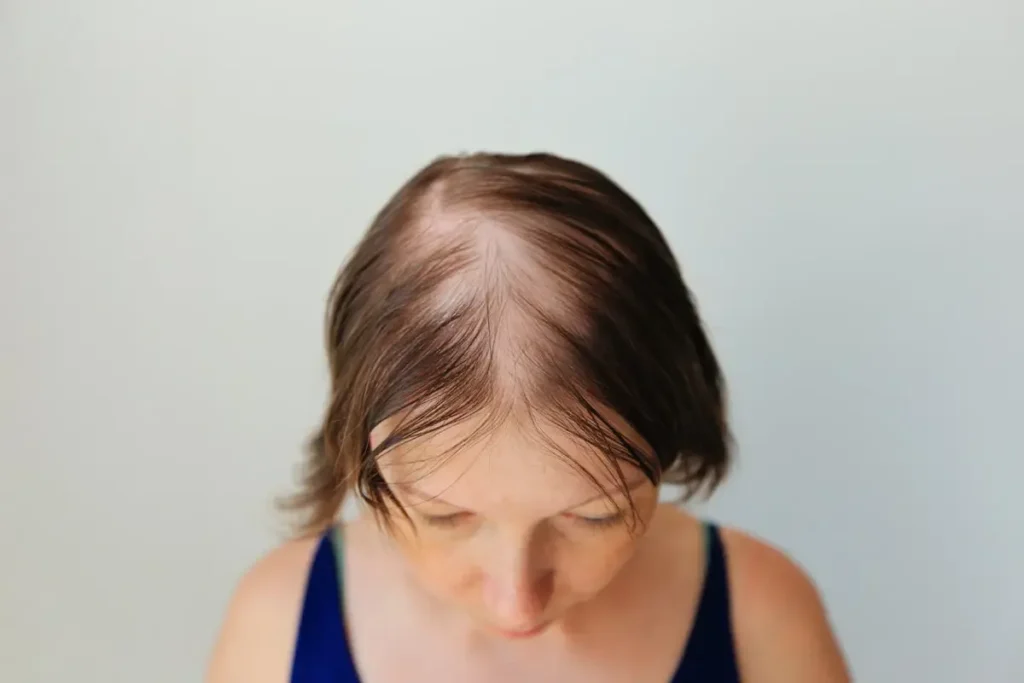
Stress sets off a chain reaction in our bodies, affecting hair growth. The link between stress and alopecia areata is complex, involving many body processes.
Our body’s stress response is led by the nervous system. It activates the sympathetic nervous system, releasing neuroendocrine factors. These factors are key in our “fight or flight” response, helping us react to stress.
How Stress Triggers the Nervous System Response
The sympathetic nervous system releases neurotransmitters and hormones that affect hair follicles. This can cause an immune hyperactivation, making the body’s immune response stronger. This can lead to hair loss.
Chemical messengers like substance P play a big role in this process. Substance P is involved in neurogenic inflammation and immune control. It can affect the hair growth cycle, possibly causing alopecia areata.
Neuroendocrine Factors: Substance P and CRH
Corticotropin-releasing hormone (CRH) is another important factor released by stress. CRH affects the HPA axis, leading to cortisol production. Cortisol, a hormone, can impact hair growth.
The interaction between these factors and the immune system is key to understanding stress-induced alopecia. By studying substance P and CRH, researchers can find ways to treat stress-related hair loss.
Understanding the science behind alopecia areata stress is vital for finding effective treatments. By tackling the neuroendocrine factors and immune responses, people can manage their condition better. This can help reduce stress’s impact on hair loss.
Types of Stress-Related Hair Loss Conditions

It’s important to know about different stress-related hair loss types. This knowledge helps find the right treatment and regain confidence. Stress can make various hair loss conditions worse, so it’s key to find the cause.
Alopecia Areata: The Autoimmune Connection
Alopecia areata is an autoimmune disease. It happens when the immune system attacks hair follicles, causing patchy hair loss. Stress is often a trigger for this condition.
Characterized by round patches of hair loss on the scalp or body.
Can be triggered by stress, genetics, and other environmental factors.
Treatment options include corticosteroids, immunotherapy, and in some cases, medication to stimulate hair growth.
Telogen Effluvium: When Stress Pushes Hair into Resting Phase
Telogen effluvium happens when stress makes many hair follicles rest. This leads to a lot of hair shedding. It often occurs after big stress events, like illness, surgery, or losing a lot of weight.
Typically starts about 3-4 months after a stressful event.
Characterized by diffuse hair thinning across the scalp.
Often resolves on its own once the underlying stress is managed.
Both alopecia areata and telogen effluvium show how stress affects hair health. Knowing about these conditions helps people find the right treatments and make lifestyle changes to reduce stress’s impact on their hair.
How the Immune System Attacks Hair Follicles Under Stress
Stress can make the immune system attack hair follicles. This leads to CD8+ T cells pushing them into a resting phase. This results in hair loss.
Stress triggers a nervous system response. This response releases neuroendocrine factors. These factors can make the immune system go haywire.
As a result, CD8+ T cells start attacking hair follicles. They think these follicles are foreign invaders.
The Role of CD8+ T Cells in Hair Loss
CD8+ T cells are key in the immune system’s stress response. They can kill infected cells or start an immune response. In alopecia, they target hair follicles, causing hair loss.
For more on autoimmune diseases and alopecia, check out Tru-Skin’s blog.
Growth Phase Disruption and Recovery Timeline
The hair growth cycle has three phases: anagen, catagen, and telogen. Stress can push more hairs into the telogen phase. This leads to telogen effluvium.
The recovery time for hair growth after stress varies. It usually takes several months for the cycle to return to normal. Knowing how the immune system affects this can help manage stress-related hair loss.
Managing stress and a healthy immune response can reduce alopecia risk. It supports hair growth recovery. This includes stress management, a balanced diet, and proper hair care.
Conclusion: Managing Stress for Healthier Hair
Starting your journey to a radiant glow means understanding how stress affects hair. Recognizing this link is the first step to healthier hair.
It’s important to manage stress to prevent hair loss and encourage growth. Simple techniques like breathing exercises can help. They make your scalp healthier and your hair more vibrant. Adding these practices to your daily life can help you shine from within.
Managing stress is key to preventing hair loss and promoting growth. A holistic approach to hair care is vital. By combining stress management with a caring hair routine, you can achieve healthier hair. This journey is about more than looks; it’s about feeling confident and radiant.
FAQ
Can stress really cause alopecia?
Yes, stress can lead to alopecia areata and other hair loss issues. When stressed, our body releases hormones that can mess with hair growth.
What is the link between stress and alopecia areata?
Studies show stress can start alopecia areata in some people. The exact reason is unclear, but stress might trigger an autoimmune response, causing hair loss.
How does stress affect hair growth?
Stress can push hair into a resting phase, causing more shedding and loss. This is called telogen effluvium. Stress can also mess up the hair growth cycle, leading to alopecia areata.
Can managing stress help prevent hair loss?
Yes, managing stress can lower hair loss risk. Techniques like meditation, yoga, and deep breathing can help. They promote a healthy hair growth cycle and reduce alopecia risk.
Is alopecia caused by stress reversible?
In some cases, yes. Proper treatment and stress management can help hair regrow. But, treatment success varies by individual and alopecia cause.
Can stress-induced alopecia be treated?
Yes, treatments for stress-induced alopecia exist. These include medications, lifestyle changes, and alternative therapies. Addressing hair loss causes and managing stress can lead to healthy hair growth.
How can I reduce stress to promote healthy hair growth?
Reducing stress helps hair growth. Try exercise, mindfulness, and relaxation. Also, get enough sleep, eat well, and practice self-care for better hair health.
References
National Center for Biotechnology Information. Evidence-Based Medical Insight. Retrieved from https://pmc.ncbi.nlm.nih.gov/articles/PMC10380371/