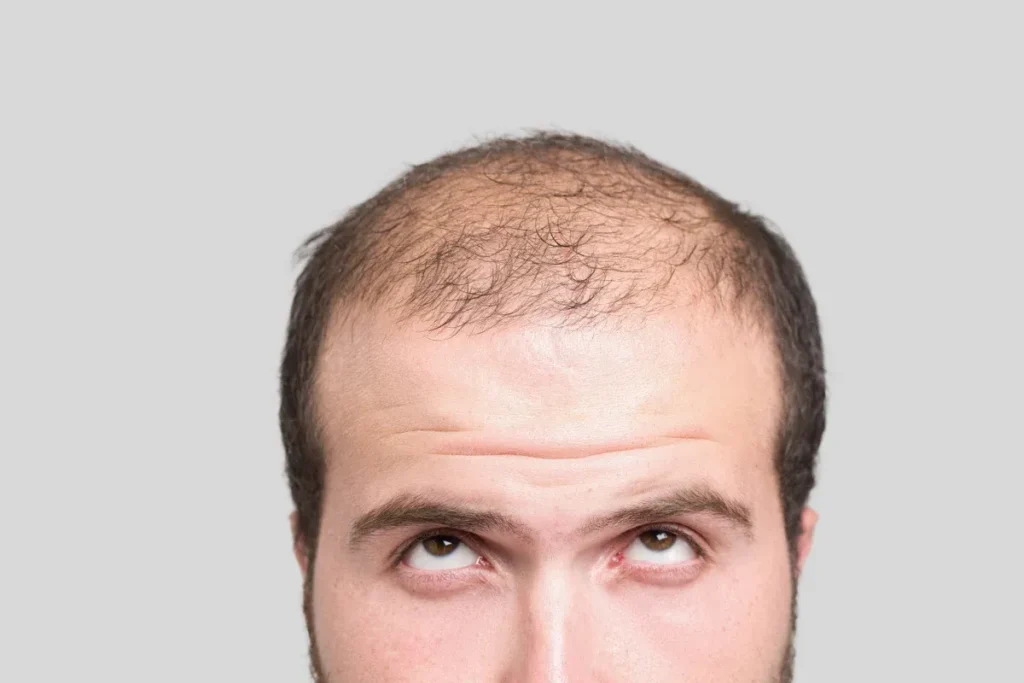
Alopecia fungal infection can cause permanent loss. Use our quick scalp cure guide to eliminate fungi and save your precious hair follicles.
Tinea capitis is a fungal infection that affects the scalp and hair shafts. It’s contagious and can cause hair loss, scaling, and discomfort, mainly in kids.
Knowing the causes, symptoms, and treatments is key to managing it well. With cutting-edge treatment strategies, we can get the scalp healthy again and help hair grow. By learning more, we can fight this condition and get a healthier scalp.
Key Takeaways
Understanding tinea capitis and its symptoms is key to treating it well.
Diagnosis involves a clinical exam and potassium hydroxide wet mount.
Treatment usually includes oral antifungals to fight the infection.
Getting the scalp healthy needs a complete approach.
Modern diagnostic methods and proven treatments can get rid of fungal scalp infections.
Understanding Tinea Capitis: Causes and Types
It’s important to know the causes and types of tinea capitis for proper treatment. This fungal scalp infection can affect anyone, but it’s more common in kids.
What is Tinea Capitis?
Tinea capitis is a fungal infection that attacks the scalp’s hair follicles. It’s caused by fungi from the Trichophyton and Microsporum genera. These fungi lead to different symptoms.
Common Causative Organisms
In the U.S., Trichophyton tonsurans is the main cause of tinea capitis. Microsporum canis and M. audouinii are also common. Knowing these causes helps doctors choose the right treatment.
How Dermatophytes Invade Hair Follicles
Dermatophytes enter hair follicles through the outer root sheath. They then move into the hair shaft. This disrupts hair growth, causing hair loss and scalp inflammation.
Types of Tinea Capitis Presentations
Tinea capitis can be inflammatory or non-inflammatory. The inflammatory type can cause kerion, a severe reaction that may lead to scarring. The non-inflammatory type is known as black dot tinea capitis or gray patch ringworm.
Knowing the different types and causes of tinea capitis is key to managing it. By understanding the pathogens and symptoms, doctors can provide better treatment.
Diagnosing Alopecia Fungal Infection
To diagnose alopecia fungal infections, we need a detailed approach. This involves understanding the symptoms and using various diagnostic tools.
Clinical Presentation and Symptoms
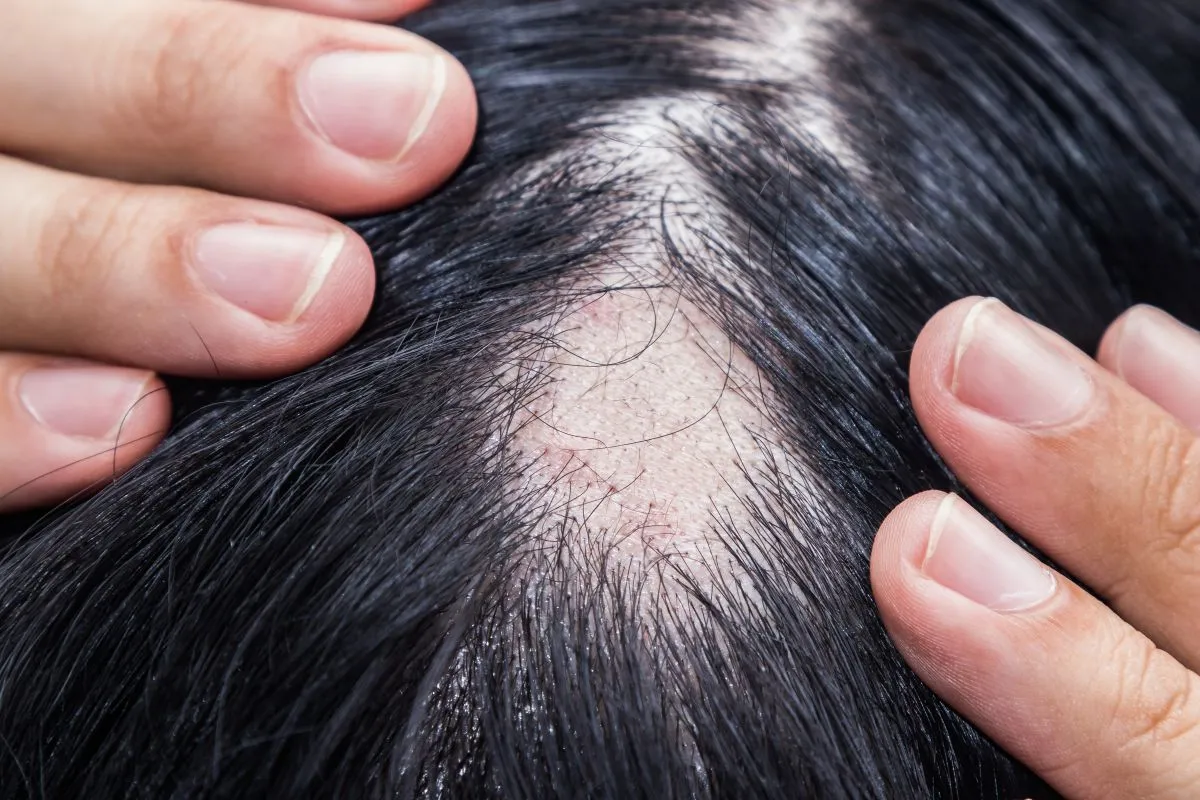
Tinea capitis, or fungal alopecia, shows different symptoms. These include round, scaly patches on the scalp, itching, and hair loss. It affects 3 to 11 percent of adults worldwide, mostly children aged 3 to 14.
The symptoms can vary based on the fungus and the person’s immune system. They may include inflammation, redness, and scaling. If not treated, it can cause scarring.
Diagnostic Methods
Diagnosis uses a mix of clinical exams, Wood’s lamp tests, and fungal cultures. The Wood’s lamp test helps spot tinea capitis by showing fungal glow under UV light. A fungal culture is the best way to find the exact fungus causing the problem.
For more info on fungal infections, check out Kopelman Hair’s blog on alopecia fungal.
Differential Diagnosis
It’s important to rule out other conditions when diagnosing tinea capitis. Conditions like psoriasis, seborrheic dermatitis, and alopecia areata can look similar. So, we need to do thorough exams and tests to make sure.
By taking a detailed approach, we can give the right treatment. This ensures the treatment meets the patient’s specific needs.
Effective Treatment Strategies for Tinea Capitis
Treating tinea capitis needs a mix of oral antifungal meds and topical treatments. This approach is key to getting rid of the fungus and stopping more problems.
Oral Antifungal Medications
Oral antifungals are the main treatment for tinea capitis. Griseofulvin, Terbinafine, Itraconazole, and Fluconazole are common choices. The right medicine depends on the fungus, the patient’s age, and possible side effects.
Key Considerations for Oral Antifungal Medications:
Griseofulvin is often used for Microsporum infections
Terbinafine is effective against Trichophyton species
Itraconazole and Fluconazole offer alternative treatment options with varying efficacy against different fungal species
Topical Treatments and Adjunctive Therapy
Topical treatments are also important in treating tinea capitis. Shampoos with selenium sulfide or ketoconazole can cut down on fungal shedding and stop it from spreading.
These treatments can also help with symptoms like scaling and inflammation.
Managing Kerion and Other Inflammatory Complications
Kerion, a severe form of tinea capitis, needs quick and effective treatment to avoid scarring and hair loss. Treatment may include:
Short courses of oral corticosteroids to reduce inflammation
Continued use of oral antifungal medications
Topical treatments to manage symptoms
Treatment Approaches for Different Patient Populations
Treatment plans can change based on the patient’s age, health, and other factors. For example, kids might need different doses of oral antifungals. People with weakened immune systems might need more intense treatment and close monitoring.
By tailoring treatment to each patient, healthcare providers can get the best results.
Conclusion: Prevention and Follow-up Care
Keeping your scalp clean is key to avoiding tinea capitis and fungal scalp infections. Washing bedding, hats, and combs often helps. Also, don’t share personal items to lower infection risk.
Spotting and treating tinea of scalp early is important. Knowing the risks and taking steps to prevent them can help. This way, you can avoid scalp infections caused by dermatophytes.
After treatment, keeping up with care is essential. This ensures the infection is gone for good and doesn’t come back. By treating your scalp well and staying clean, you can have healthy hair and a glowing scalp.
Focus on prevention and follow-up care to shine from within. Embrace a journey to vibrant, healthy hair. Your beauty transformation starts now, with a focus on natural and clean beauty.
FAQ
What is tinea capitis, and how is it caused?
Tinea capitis, also known as ringworm of the scalp, is a fungal infection. It’s caused by fungi like Trichophyton and Microsporum. These fungi attack the hair follicles.
What are the common symptoms of tinea capitis?
Symptoms include patchy hair loss and scalp discomfort. The scalp may also have scaling. The type of tinea capitis can affect how symptoms appear.
How is tinea capitis diagnosed?
Doctors use several methods to diagnose it. They look at the scalp, use a Wood’s lamp, and take a fungal culture. This helps find the right treatment.
What are the treatment options for tinea capitis?
Treatment often includes oral antifungal meds. Topical treatments and other therapies may also be used. This helps manage complications and aid in recovery.
Can tinea capitis be prevented?
Yes, it can be prevented. Good hygiene and knowing the risks are key. Preventive steps help keep the scalp and hair healthy.
What is the role of dermatophytes in tinea capitis?
Dermatophytes, like Trichophyton and Microsporum, cause tinea capitis. They invade hair follicles, leading to different symptoms of the infection.
How does Microsporum gypseum affect the scalp?
Microsporum gypseum is a fungus that causes tinea capitis. It leads to symptoms like patchy hair loss and scalp scaling.
What is the difference between tinea capitis and other scalp conditions?
Tinea capitis is a fungal infection that needs specific treatment. It’s different from scalp conditions like alopecia or dermatitis.
Can tinea capitis lead to long-term hair loss?
If not treated, tinea capitis can cause scarring and permanent hair loss. Early and effective treatment is key.
How can I promote healthy scalp and hair after tinea capitis treatment?
Keep your scalp clean and use gentle hair products. A healthy lifestyle also helps promote scalp health and hair growth.
References
https://my.clevelandclinic.org/health/diseases/22967-scalp-yeast-infection





