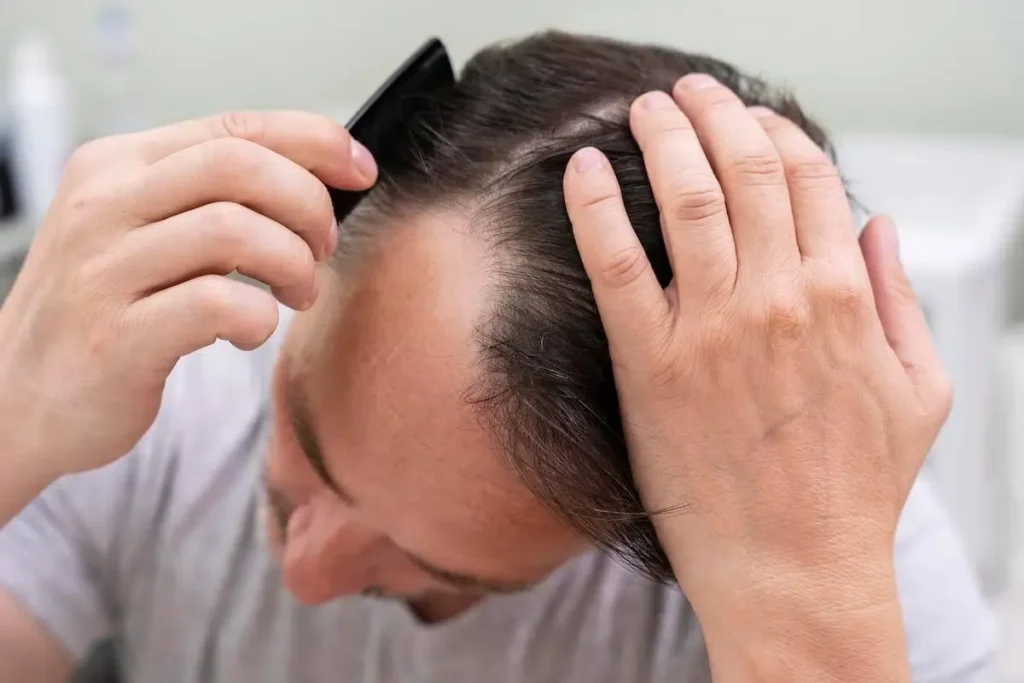
Alopecia hair implants offer a permanent fix for baldness. Check out our best surgery guide to see if you are a candidate for hair grafts.
For those dealing with hair loss, hair transplantation is a promising solution. It’s great for people with androgenetic alopecia. The International Society of Hair Restoration Surgery says it works well, with an 85-95% success rate for androgenetic alopecia.
The success of hair transplantation depends on the type of alopecia and if you’re a good candidate. People with androgenetic alopecia often see great results. But, those with autoimmune alopecia areata face special challenges that need careful thought.
It’s important to know your specific type of alopecia and if you’re a good candidate for the procedure. If you are, hair transplantation can be a transformative solution. It can give you a natural, permanent result, making you look and feel great.
Key Takeaways
Hair transplantation is a viable option for androgenetic alopecia, with an 85-95% success rate.
Alopecia areata patients face unique challenges and require careful evaluation.
Determining the type of alopecia and individual suitability is key.
Hair transplantation involves moving healthy follicles to balding areas.
The procedure can greatly improve how you look and feel.
Understanding Different Types of Alopecia

Alopecia is a term for many hair loss conditions. Knowing the differences is key for the right treatment. It affects millions, causing physical and emotional distress. Each type has its causes and treatments.
Androgenetic Alopecia (Male/Female Pattern Baldness)
Androgenetic alopecia, or male/female pattern baldness, is a hereditary condition. It leads to gradual hair thinning. It’s common in both men and women, with different patterns of hair loss.
For those looking into hair restoration, understanding this type is essential.
Alopecia Areata and Autoimmune Hair Loss
Alopecia areata is an autoimmune condition causing hair loss in small patches. It happens when the immune system attacks hair follicles. It can affect anyone, with varying severity.
For those with alopecia areata, alopecia areata hair transplant might be an option. But it’s something to consider carefully.
Scarring vs. Non-Scarring Alopecia
Alopecia can be scarring or non-scarring. Scarring types cause permanent damage and hair loss. Non-scarring types allow for hair regrowth.
Knowing the difference helps choose the right treatment. This includes deciding if hair implants for alopecia are right for you.
Diagnosing Your Specific Alopecia Type
Figuring out the exact type of alopecia is vital for the right treatment. A healthcare professional or dermatologist will examine you. They’ll look at your hair loss pattern, medical history, and more to make an accurate diagnosis.
Alopecia Hair Implants: Procedure and Techniques
Hair transplantation for alopecia uses advanced methods to bring back a natural hairline. This surgery moves healthy hair follicles from a donor area to bald spots. It’s a lasting fix for hair loss.
Follicular Unit Transplantation (FUT) Method
The FUT method, or strip harvesting, takes a strip of hair-bearing skin from the donor area. This strip is then split into individual follicular units. These units are then moved to the balding areas. The FUT technique is great for covering big bald spots.
Follicular Unit Extraction (FUE) Technique
The FUE technique takes individual follicular units directly from the donor area. It uses a special tool and leaves little to no scarring. FUE is perfect for those who want a less invasive method.
Donor Area Requirements and Limitations
The success of hair transplantation depends a lot on the donor area’s quality and amount. Hair density, texture, and color are key in choosing donor hair. A detailed check of the donor area is vital for the best results. Important things to consider are:
Hair density in the donor area
Texture and color match between donor and recipient areas
Enough donor hair available
Candidacy Evaluation for Hair Transplantation
Not everyone with alopecia can get hair transplantation. A detailed check is needed to see if someone is a good candidate. This includes looking at the type and size of alopecia, the donor area’s quality, and the patient’s health. A personal consultation is key to create a treatment plan that fits the individual.
Knowing about alopecia hair implants helps people make better choices. Whether it’s FUT or FUE, hair transplantation can restore a natural hairline and boost confidence.
Hair Transplant Success Rates by Alopecia Type
The success of hair transplantation changes a lot depending on the type of alopecia. It’s a very effective treatment for many hair loss types. But, its success can vary based on the alopecia’s cause.
Results for Androgenetic Alopecia
For those with androgenetic alopecia, also known as male or female pattern baldness, hair transplants work well. This condition causes hair loss in a predictable pattern. This makes it easier to find good donor areas.
The transplanted hair follicles resist the hormonal effects that cause balding. This leads to a high success rate for this type of alopecia. Studies show that hair transplants can achieve a success rate of up to 90% for androgenetic alopecia. The results look natural and can last a lifetime.
Challenges with Alopecia Areata Transplants
Alopecia areata is an autoimmune condition that causes patchy hair loss. Transplanting hair for alopecia areata is harder because of its unpredictable nature. The success rate for these transplants varies, and there’s a higher risk of losing more hair.
But, with careful patient selection and advanced techniques, good results are possible. For more information on hair transplantation for specific types of alopecia, such as traction alopecia, visit Eternal Dermatology.
Post-Transplant Care and Maintenance
Proper care after a hair transplant is key for success. This includes gentle hair care and avoiding harsh chemicals. Also, protect your scalp from too much sun.
Regular check-ups with a dermatologist or hair specialist are important. They help monitor progress and address any issues. Following a good care plan can make your transplant last longer and look great.
Alternative Treatments When Transplants Aren’t Viable
If hair transplantation isn’t an option, there are other treatments. These include medications like minoxidil and finasteride, low-level laser therapy (LLLT), and platelet-rich plasma (PRP) therapy. These treatments can slow down hair loss and help hair grow.
But, they might not last as long as a hair transplant. Talking to a dermatologist can help find the best treatment for your alopecia.
Conclusion: Is a Hair Transplant Right for Your Alopecia?
Deciding if a hair transplant is right for you with alopecia depends on several things. This includes the type and how severe your condition is. If you’re losing hair due to alopecia, a transplant might help. It could give you back a natural hairline and boost your confidence.
Can someone with alopecia get a hair transplant? It really depends on your specific situation. For example, those with androgenetic alopecia might find hair transplantation helpful. This is because their condition often responds well to the treatment.
But, for those with alopecia areata or scarring alopecia, it’s different. The extent of your condition and if you have a good donor area matter. It’s important to talk to a specialist to see if a transplant is right for you.
In the end, a hair transplant could change your life if you have alopecia. It can help you feel more confident and radiant. Getting expert advice is key to finding the best way to achieve your goals and start feeling better about yourself.
FAQ
Can you get a hair transplant with alopecia?
Yes, hair transplants can help those with alopecia, mainly androgenetic alopecia. But, it depends on the type and how much hair is lost.
What is the difference between androgenetic alopecia and alopecia areata?
Androgenetic alopecia causes hair to thin over time. Alopecia areata leads to hair loss in round patches due to an autoimmune issue.
How successful is hair transplantation for androgenetic alopecia?
For androgenetic alopecia, hair transplants work well, with an 85-95% success rate. People see big improvements, looking more attractive and successful.
What are the techniques used in hair transplantation?
There are two main methods: Follicular Unit Transplantation (FUT) and Follicular Unit Extraction (FUE. Both move healthy hair follicles from the back to thinning areas.
Can someone with alopecia areata get a hair transplant?
Hair transplants can be done for alopecia areata, but success is less certain. It’s not right for everyone because of the autoimmune nature.
What is the importance of diagnosing the specific type of alopecia?
Knowing the exact type of alopecia is key. It helps choose the best treatment, as each type needs a different approach.
How do I determine if I’m a suitable candidate for hair transplantation?
To see if you’re a good candidate, check the donor area, how much hair you’ve lost, and your health. Talk to a specialist about this.
What are the alternative treatments when hair transplants aren’t viable?
If transplants aren’t an option, you might consider medication, low-level laser therapy, or other non-surgical methods. A specialist can discuss these with you.
Does hair transplant work for bald spots?
Yes, hair transplants can fill in bald spots, mainly for those with androgenetic alopecia.
What is the role of the donor area in hair transplantation?
The donor area is where healthy hair follicles are taken for the transplant. Its quality and amount are key to the procedure’s success.
References
National Center for Biotechnology Information. Evidence-Based Medical Insight. Retrieved from https://pubmed.ncbi.nlm.nih.gov/10026756/

