Alopecia scalp pain is a common complaint. Discover the best soothing methods and medical treatments to reduce inflammation and soreness.
Feeling pain on your scalp can be really uncomfortable. Knowing what’s causing it is the first step to feeling better. It helps keep your scalp and hair healthy.
Scalp pain and hair loss are big problems for many people worldwide. This issue, called trichodynia, really affects how people live their lives.
GoldCity Center focuses on you, the patient. They use international medical standards to help you. They aim to ease your pain and find the reason for your hair loss.
Key Takeaways
Understanding the causes of scalp pain is key to feeling better.
Trichodynia really affects people’s lives.
GoldCity Center offers a patient-centered approach to managing scalp pain and hair loss.
Getting a full check-up is important to find the root cause.
Using proven methods can help you feel better.
Understanding the Link Between Hair Loss and Scalp Sensitivity
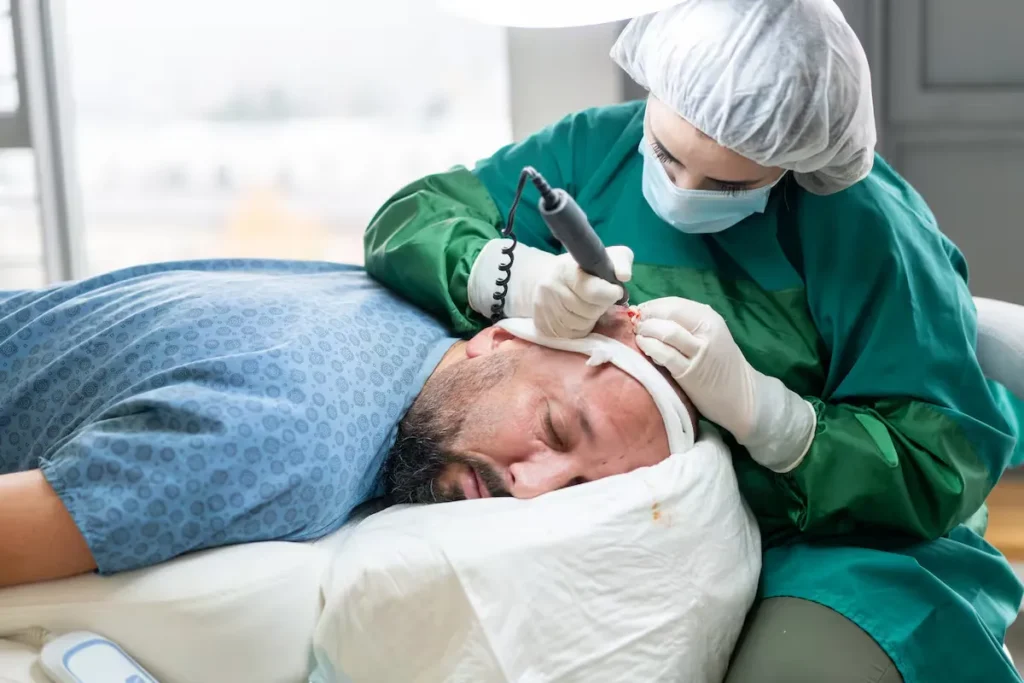
Alopecia, or hair loss, often comes with scalp sensitivity. This symptom can greatly affect your quality of life. Research shows about 32 percent of patients with hair loss have scalp sensitivity. This highlights the need to tackle this issue fully.
Scalp tenderness from hair loss can feel like pain, inflammation, or itching. It can also cause numbness or irritation. Knowing the causes of scalp pain is key to finding relief.
Prevalence of Scalp Pain in Different Hair Loss Conditions
Scalp pain is common in those losing hair. For example:
Alopecia Areata: This autoimmune condition causes patchy hair loss and scalp tenderness.
Androgenetic Alopecia: Known as male/female pattern baldness, it can make the scalp sensitive as hair thins.
Telogen Effluvium: Excessive hair shedding can lead to scalp discomfort and sensitivity.
For more on managing scalp pain with hair loss, check out Charles Medical Group for expert advice.
Why Alopecia Causes Scalp Discomfort
The reasons for scalp discomfort in alopecia are complex. Neuroinflammatory processes are a big part of it. They can make nerve endings in the scalp sensitive, causing pain.
Inflammation and immune responses in certain alopecia types also add to scalp tenderness. Understanding these causes is vital for finding relief that addresses both hair loss and scalp sensitivity.
Effective Relief Strategies for Alopecia Scalp Pain
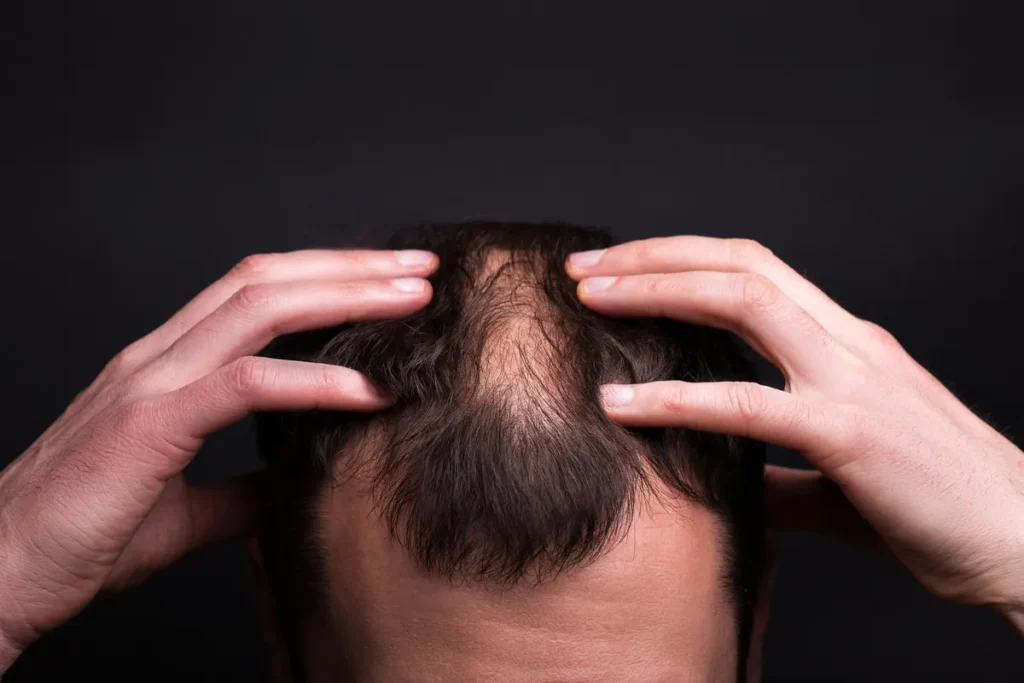
Managing alopecia scalp pain needs a mix of gentle care and specific treatments. People with sore scalp hair loss or scalp pain hair loss can find relief through different methods.
Gentle Scalp Care Techniques
Gentle scalp care is key to easing tender scalp and hair loss. It means using hair care that doesn’t irritate. Use lukewarm water and gentle, sulfate-free shampoos to lessen irritation.
Also, avoid hairstyles that tug on your scalp, like tight braids or ponytails. This can help stop more irritation.
Anti-Inflammatory Topical Treatments
Topical treatments with anti-inflammatory ingredients can help a lot with scalp pain hair loss. Aloe vera, tea tree oil, and coconut oil are good for soothing. They can cut down inflammation and make your scalp healthier.
Soothing Products and Ingredients
Adding soothing products to your scalp care can help too. Look for products with capsaicin to reduce pain or chamomile for calming. Using these regularly can help ease alopecia scalp pain.
When to Seek Professional Help
While you can try many things at home, sometimes you need a pro. If your scalp pain doesn’t get better or gets worse, see a dermatologist or healthcare expert. They can give you advice and treatments that fit your specific situation.
Targeted Approaches for Different Types of Alopecia
Alopecia comes in many forms, each with its own pain issues. To find relief, we need targeted approaches. It’s important to know the unique traits of each type to create effective treatments.
Managing Pain in Telogen Effluvium
Telogen effluvium causes a lot of hair loss due to stress, poor diet, or hormonal changes. To ease scalp pain, gentle care and anti-inflammatory treatments are key. Research backs this up.
Here are some ways to tackle pain in telogen effluvium:
Gentle scalp massage to improve blood flow
Using mild, sulfate-free shampoos to lower irritation
Staying away from harsh chemical treatments that worsen scalp sensitivity
Relief Methods for Alopecia Areata
Alopecia areata is an autoimmune disease causing patchy hair loss. Scalp pain can be managed with topical corticosteroids and immunotherapy. Studies show these treatments can cut down inflammation and help hair grow back.
Here are some relief methods for alopecia areata:
Applying topical corticosteroids to affected spots
Using minoxidil to encourage hair growth
Trying alternative therapies like acupuncture to lessen stress
Comfort Strategies for Androgenetic Alopecia
Androgenetic alopecia, or male/female pattern baldness, is caused by genetics and hormones. To manage scalp pain, use gentle hair care products and avoid too much heat styling. Low-level laser therapy (LLLT) also helps grow hair and reduce scalp sensitivity.
Here are some comfort strategies for androgenetic alopecia:
Choosing gentle, pH-balanced shampoos
Avoiding tight hairstyles that can cause traction alopecia
Thinking about LLLT or platelet-rich plasma (PRP) therapy to boost hair growth
Conclusion
Understanding scalp pain causes and using effective relief strategies can help those with alopecia. This approach can ease discomfort and improve scalp health. It’s key for those with thinning hair and scalp pain.
Dealing with scalp issues requires the right strategies and sometimes professional help. Taking care of your scalp can lead to healthier hair and better overall well-being. It’s a journey worth taking.
There are many ways to reduce scalp pain from alopecia. By adding these methods to your daily routine, you can see a big improvement. This leads to a healthier and more radiant scalp.
FAQ
What is the relationship between scalp sensitivity and hair loss?
Scalp sensitivity often goes hand in hand with hair loss, like in alopecia. It can cause discomfort and pain. Understanding the causes and finding relief is key.
Why does alopecia cause scalp pain?
Alopecia leads to scalp pain due to inflammation and irritation. This can be caused by autoimmune responses, stress, and genetics.
What are some effective relief strategies for managing alopecia scalp pain?
Gentle scalp care and anti-inflammatory treatments can help. Soothing products like aloe vera and tea tree oil reduce inflammation and discomfort.
How can I manage pain in different types of alopecia?
Each type of alopecia needs a specific approach. For example, telogen effluvium may need gentle massage and stress management. Alopecia areata might benefit from anti-inflammatory treatments. Androgenetic alopecia can be managed with low-level laser therapy and gentle hair care.
What are some soothing products and ingredients that can help with scalp pain?
Coconut oil, argan oil, and shea butter can soothe the scalp. Anti-inflammatory ingredients like capsaicin and turmeric also help reduce pain and discomfort.
When should I seek professional help for my scalp pain?
If your scalp pain doesn’t go away or gets worse, see a dermatologist. They can diagnose and treat the cause of your pain.
Can scalp sensitivity be a sign of an underlying condition?
Yes, scalp sensitivity can signal conditions like alopecia, psoriasis, or eczema. It’s important to get a proper diagnosis and treatment from a healthcare professional.
How can I prevent scalp pain and discomfort?
To avoid scalp pain, keep your scalp clean and use gentle products. Avoid harsh chemicals and heat styling tools. Regular massages and stress management also help.
Are there any natural remedies that can help with scalp pain?
Yes, aloe vera, tea tree oil, and coconut oil can soothe the scalp. Eating more omega-3 fatty acids can also reduce inflammation and improve scalp health.
Can I stil experience scalp pain if I have a sensitive scalp?
Yes, a sensitive scalp can make you more prone to pain, even with alopecia. Be gentle with your scalp and use soft products to avoid discomfort.
References
National Center for Biotechnology Information. Evidence-Based Medical Insight. Retrieved from https://pmc.ncbi.nlm.nih.gov/articles/PMC8613582/