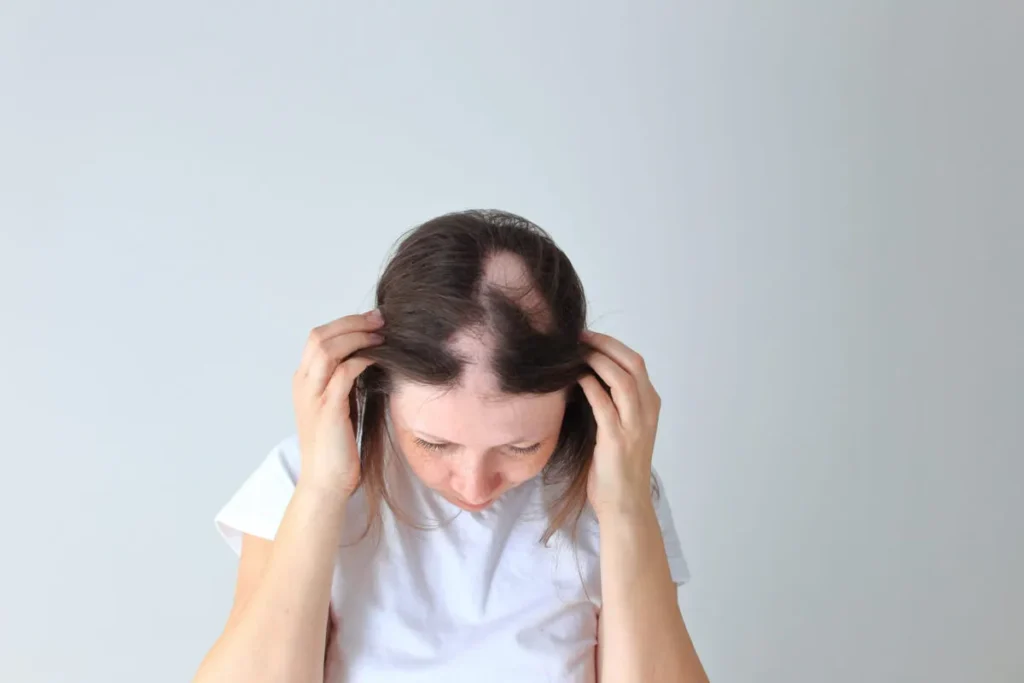
Alopecia stages help you understand the severity of loss. Master the growth phases to determine the best treatment plan for your situation.
Male pattern baldness affects about 35 million men in the U.S. It can really hurt a man’s confidence and how he sees himself. As men get older, they’re more likely to lose their hair. Two-thirds of all men will face this issue.
The Hamilton-Norwood scale breaks down male pattern baldness into seven stages. These range from a little hair loss to almost complete balding. For more details, check out page on male pattern baldness. Knowing about these stages early can help men manage their hair loss better.
Key Takeaways
Understanding the 7 stages of male pattern baldness is key to finding the right treatment.
Male pattern baldness impacts about 35 million men in the United States.
The Hamilton-Norwood scale helps classify the stages of male pattern baldness.
Being aware early can help men take charge of their hair loss.
Looking into treatment options can lessen the effects of male pattern baldness.
Understanding Male Pattern Baldness
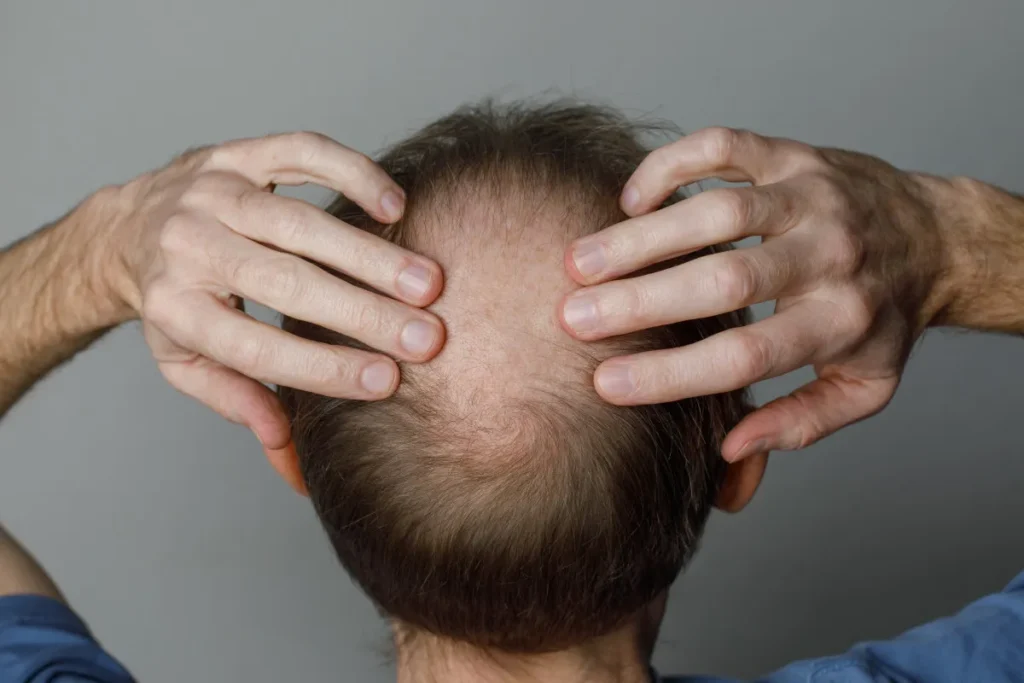
Male pattern baldness is more than just a hair issue. It’s caused by genetics and hormones. This condition, known as androgenetic alopecia, affects many men. It can also impact their mood and self-esteem.
What is Androgenetic Alopecia?
Androgenetic alopecia is a genetic hair loss condition. It makes hair thin and fall out, mainly on the scalp. It’s linked to genetics, hormonal balance, and age.
Over time, hair follicles shrink. They produce thinner, shorter hairs. Eventually, they stop growing hair.
Prevalence and Early Signs
By age 35, two-thirds of American men notice hair loss. By 50, this number jumps to 85%. Early signs include a receding hairline and thinning at the crown.
Spotting these signs early is key. It helps men act fast to manage their hair loss. With the right treatment, they can slow down or stop hair loss.
The Hamilton-Norwood Scale: Alopecia Stages Explained
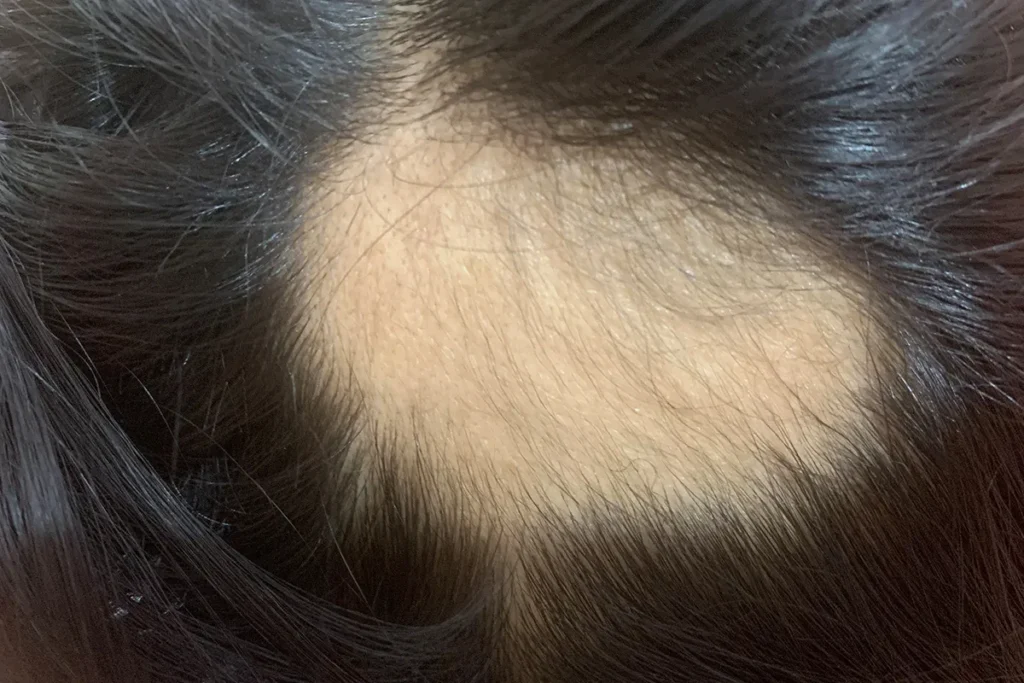
The Hamilton-Norwood scale is a well-known system. It shows the different stages of male pattern baldness. It helps us understand how it progresses.
Early Stages: I & II
Stages I and II show the first signs of male pattern baldness. Hair loss is just starting, with a slight hairline recession or temple thinning. Early intervention with minoxidil or finasteride can slow down or stop hair loss.
Moderate Progression: Stages III & IV
Stages III and IV show more hair loss. Stage III has a more noticeable ‘M’ shape hairline recession. Stage IV has more hair loss on the crown. At this point, combination therapies like medications, LLLT, or PRP therapy may be suggested to help hair grow.
Advanced Hair Loss: Stages V, VI & VII
Stages V, VI, and VII show the most hair loss. The crown and frontotemporal areas are significantly bald. Treatment options include hair transplantation. People can also choose to accept their look or use hair systems.
In summary, the Hamilton-Norwood scale is key to understanding male pattern baldness. It helps people choose the right treatment, from early steps to more advanced options.
The Science and Management of Hair Loss
Understanding hair loss is key to managing it. Alopecia affects millions of men, impacting their self-esteem. Knowing the causes and how they affect hair follicles is vital.
How DHT Affects Hair Follicles
DHT, a testosterone derivative, is linked to male pattern baldness. It shrinks hair follicles, reducing terminal hairs and causing hair thinning. This leads to finer, shorter hairs and can stop hair growth completely. Knowing how DHT works is important for finding treatments.
Treatment Options by Stage
There are many ways to treat hair loss at different stages. The right treatment depends on how much hair is lost and overall health. For early balding, minoxidil and finasteride can slow hair loss and promote new growth.
For more severe cases, growth factor therapy and hair transplants are options. Growth factor therapy uses proteins to stimulate hair growth. Hair transplants move healthy follicles to bald spots. These treatments can greatly improve hair loss.
Seeing a healthcare professional is important to find the best treatment. By understanding hair loss and exploring treatments, men can manage their condition and regain confidence.
Conclusion: Living with Male Pattern Baldness
Starting your hair health journey is a big step towards feeling good about yourself. Knowing about the different stages of baldness is key. It helps you deal with male pattern baldness.
Acting early is the best way to fight hair loss and keep what you have. By understanding the different stages of balding, you can find the right treatments. This way, you can take charge of your hair’s health.
Your journey to looking and feeling great begins now. You’ll learn about male pattern baldness and what you can do about it. Whether you’re seeing the first signs of hair loss or dealing with more serious balding, there’s hope. You can regain your confidence and celebrate your unique beauty.
FAQ
What is male pattern baldness?
Male pattern baldness, also known as androgenetic alopecia, is a common condition. It causes hair loss due to hormones and genetics.
What are the early signs of male pattern baldness?
Early signs include a receding hairline and thinning at the crown. You might also notice a gradual loss of hair density, often starting with a horseshoe-shaped pattern.
How is male pattern baldness diagnosed?
Doctors diagnose it by looking and talking about your medical history. Sometimes, they also do blood tests to check for other hair loss causes.
What is the Hamilton-Norwood scale?
The Hamilton-Norwood scale is a way to measure male pattern baldness. It ranges from Stage I (minimal hair loss) to Stage VII (extensive hair loss).
What treatment options are available for male pattern baldness?
Treatments include medications like minoxidil and finasteride. There’s also growth factor therapy, hair transplants, and low-level laser therapy. The choice depends on the stage and extent of hair loss.
Can male pattern baldness be prevented?
Prevention isn’t guaranteed, but early treatment can slow or halt hair loss.
How does DHT affect hair follicles?
Dihydrotestosterone (DHT) is a hormone that shrinks hair follicles. This leads to thinner, shorter hairs and eventual hair loss.
Are there any clinically proven treatments for male pattern baldness?
Yes, treatments like finasteride and minoxidil have been proven to slow or stop hair loss. They can also stimulate new hair growth in some cases.
What is the role of genetics in male pattern baldness?
Genetics play a big role in male pattern baldness. Certain genetic traits make you more sensitive to DHT and increase the chance of androgenetic alopecia.
Can hair loss be reversed?
In some cases, hair loss can be reversed or improved with the right treatment. It depends on the stage and cause of hair loss.
References
National Center for Biotechnology Information. Evidence-Based Medical Insight. Retrieved from https://pubmed.ncbi.nlm.nih.gov/22074365/





