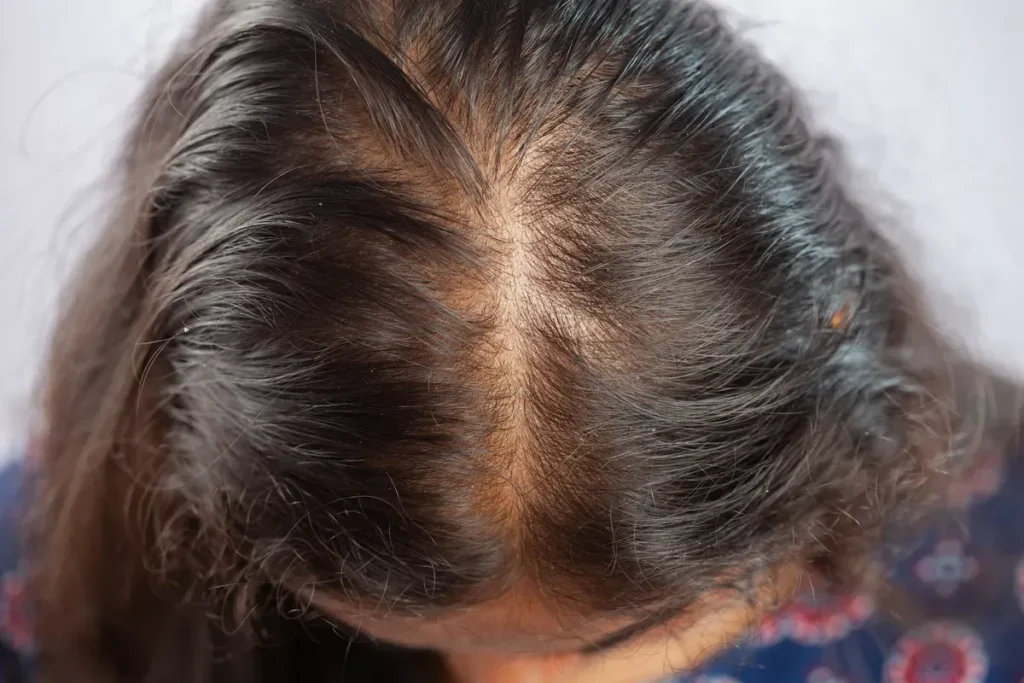
Millions of women worldwide face hair thinning, often at the crown or top of the head. This is due to androgenetic alopecia, a condition that affects their appearance, self-esteem, and confidence. The American Academy of Dermatology reports that about 30 million women in the US deal with this issue.
Androgenetic alopecia female thinning is treatable. Find the best cures and medical therapies to restore hair density and confidence today.
Unlike men, androgenetic alopecia in females usually keeps the frontal hairline intact. Knowing the causes, symptoms, and treatment options is key to managing it well. With the right treatment, women can feel more confident and have a fuller head of hair.
Key Takeaways
Androgenetic alopecia affects approximately 30 million women in the US.
The condition manifests differently in women, typically as diffuse thinning at the crown.
Various treatment options are available, including topical treatments and hormonal therapies.
Early intervention is key to managing hair loss effectively.
Understanding the causes and symptoms is critical for choosing the right treatment.
Understanding Androgenetic Alopecia Female Pattern Hair Loss

Female pattern hair loss is different from male baldness. It’s caused by genetics, hormones, and the environment. This makes it a complex issue.
How Female Pattern Hair Loss Differs from Male Pattern Baldness
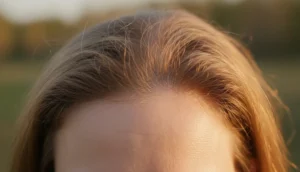
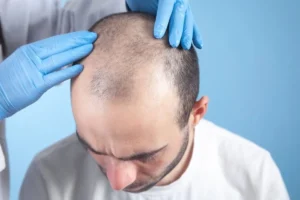
Female pattern hair loss looks different than male baldness. Men often see a receding hairline and bald spots. Women, on the other hand, notice thinning hair all over the scalp, mainly at the crown.
Women are more sensitive to androgens, which affects their hair loss. Conditions like polycystic ovarian syndrome (PCOS) and metabolic syndrome are linked to this hair loss. It’s important to treat these health issues.
Common Causes and Associated Health Conditions
About 19 percent of Caucasian women have androgenetic alopecia. This number goes up after menopause. Hormonal changes and genetics play a big role in this condition.
Some key factors include:
Genetic predisposition
Hormonal sensitivity to androgens
Associated health conditions like PCOS and metabolic syndrome
Hormonal changes, mainly after menopause
Knowing these causes helps doctors create better treatments for female pattern hair loss.
First-Line Treatment Options for Androgenetic Alopecia Female Patients
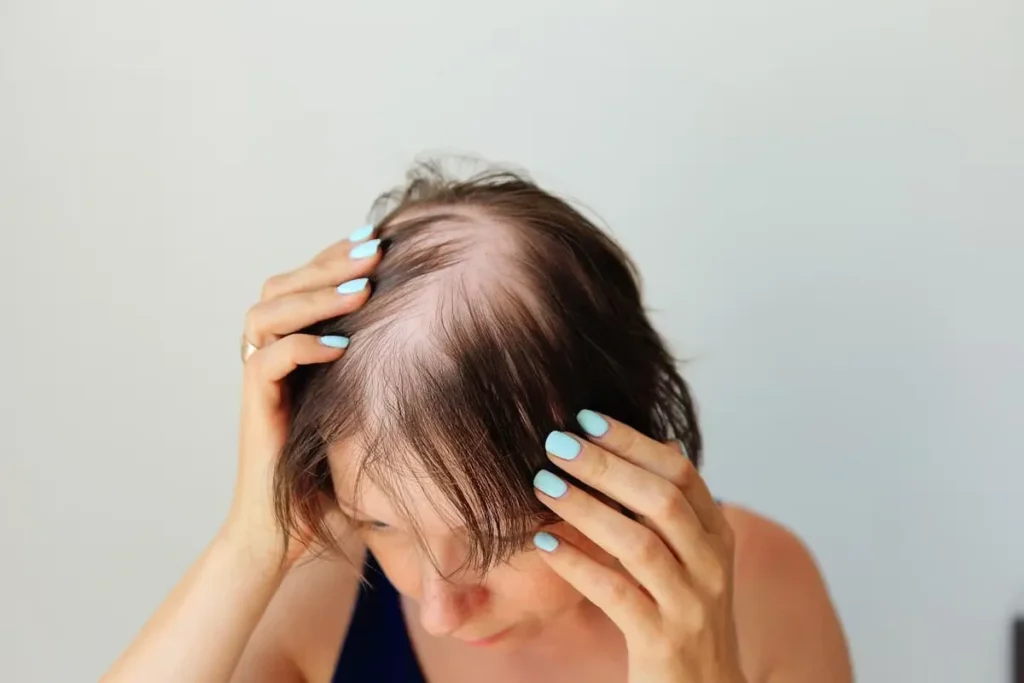
Women with androgenetic alopecia often start with topical minoxidil and oral anti-androgen therapies. These treatments aim to slow hair loss and promote new growth. They address the condition’s root causes.
Topical Minoxidil: Application and Effectiveness
Topical minoxidil is a top choice for treating androgenetic alopecia in women. It’s applied to the scalp to boost hair growth and slow loss. Research shows 2% minoxidil works well for women, but 5% might be even better.
For the best results, apply minoxidil regularly and as instructed. This ensures it works effectively.
Minoxidil’s success can differ from person to person. Yet, it’s seen as safe and effective, best when started early. Women may notice improvements in a few months, with ongoing use leading to thicker hair and less shedding.
Oral Medications and Anti-Androgen Therapies
Oral meds, like spironolactone, are another effective option. Spironolactone lowers androgen levels, which can cause hair loss. It targets the hormonal aspects of the condition, helping slow hair loss and encourage new growth.
For more on treating female hair loss, check out the International Society of Hair Restoration Surgery.
Choosing a treatment plan requires a healthcare professional’s guidance. They’ll help decide between topical minoxidil, oral meds, or a mix, based on your needs and medical history.
Advanced Treatments and Procedures
Advanced treatments have changed how we fight female pattern hair loss. For those who didn’t get results from first-line treatments, these new therapies offer hope.
Platelet-Rich Plasma (PRP) Therapy
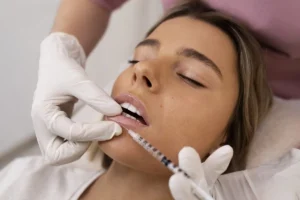
PRP therapy is a new method. It injects platelet-rich plasma into the scalp to boost hair growth. Studies show it works well, making hair thicker and reducing shedding.
Benefits of PRP Therapy:
Stimulates hair growth
Improves hair density
Minimally invasive
Low-Level Laser Therapy (LLLT)
LLLT uses light to help hair grow. It’s a non-invasive treatment that boosts blood flow to the scalp. This nourishes hair follicles and encourages growth.
LLLT Benefits:
Non-invasive
Pain-free
Can be used with other treatments
Hair Transplantation Options for Women
Hair transplantation is a more serious but effective way to restore hair. It moves hair follicles from one scalp area to another. This gives a natural look to balding spots.
Hair Transplantation Benefits:
Permanent solution
Natural-looking results
Can be tailored to individual needs
Here’s a comparison of the advanced treatments:
Conclusion: Creating a Comprehensive Treatment Plan
Treating androgenetic alopecia in females needs a complete approach. It looks at the person’s health, hair loss, and what they prefer. A good plan might mix topical treatments, pills, and new therapies.
Women can work with a healthcare expert to make a plan just for them. This could mean using minoxidil, anti-androgen pills, or even PRP therapy. These steps can really help hair grow back and look fuller.
The best way to fight female hair loss is with a mix of the best treatments. This way, women can feel better about themselves and have a fuller head of hair.
A detailed treatment plan can really help. Healthcare pros can tailor a plan that fits each woman’s needs. This way, they can beat androgenetic alopecia and feel more confident and beautiful.
FAQ
What is androgenetic alopecia in females, and how does it differ from male pattern baldness?
Androgenetic alopecia in females causes hair to thin out, mainly at the crown and top of the head. Male pattern baldness, on the other hand, leads to a receding hairline and bald spots. Knowing the difference is key to finding the right treatment.
What are the common causes and associated health conditions of androgenetic alopecia in females?
This condition is caused by genetics, hormones, and the environment. Health issues like polycystic ovarian syndrome (PCOS) and metabolic syndrome can also play a role. It shows how important hormones are in this condition.
How effective is topical minoxidil for treating androgenetic alopecia in females?
Topical minoxidil is a common treatment that slows hair loss and promotes new growth. It’s safe and works well, but results can vary. Starting it early can help.
What are the benefits of using oral medications like spironolactone for treating androgenetic alopecia?
Oral meds like spironolactone target the hormonal causes of hair loss. They can be used alone or with minoxidil for better results. This offers an alternative or addition to topical treatments.
What advanced treatments are available for women who haven’t achieved the desired results with first-line treatments?
For those who haven’t seen results, there are advanced options like PRP therapy, LLLT, and hair transplantation. These can be customized to fit individual needs, providing new hope for hair growth.
How does platelet-rich plasma (PRP) therapy work for treating androgenetic alopecia?
PRP therapy uses platelet-rich plasma to stimulate hair growth and improve density. It’s a cutting-edge treatment that shows promise in promoting hair health.
What is the best treatment for female hair loss, and how can I determine the most suitable option for my needs?
The best treatment varies based on hair loss extent, health, and personal preferences. A healthcare professional can help find the right mix of treatments, including minoxidil, oral meds, and advanced therapies.
Can lifestyle changes help manage androgenetic alopecia in females?
Yes, combining the right treatments with healthy habits can manage hair loss. This approach can lead to significant improvements in hair growth and density.
How can I regrow my hair with female hair loss treatments?
To regrow hair, a holistic approach is needed. This includes the right treatments, like minoxidil, oral meds, and advanced therapies. With the right plan, women can see improvements in hair growth.
What are the most effective women’s hair restoration treatments available?
Effective treatments include minoxidil, oral meds, PRP therapy, LLLT, and hair transplantation. The best plan depends on hair loss extent and overall health.