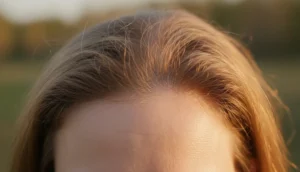
Millions of women worldwide suffer from female pattern baldness. This condition greatly affects their self-esteem and quality of life. It causes diffuse thinning on the crown and top of the head, but spares the frontal hairline.
Androgenetic hair loss female solutions offer fast results. Explore top-rated treatments to stop the thinning at the crown and part line.
About 30 million women in the United States face androgenetic hair loss. This number goes up after menopause. Knowing the causes, symptoms, and treatments is key to managing it well and boosting confidence.
Top healthcare providers, like GoldCity Center, offer advanced solutions for women’s hair restoration. They take a complete approach to tackle this common problem.
Key Takeaways
Female pattern baldness affects millions worldwide, with a significant increase after menopause.
Understanding the causes and symptoms is key to effective management.
Cutting-edge treatments are available for women’s hair restoration.
Early intervention is vital for managing androgenetic hair loss.
A complete approach can help restore confidence and improve quality of life.
Understanding Female Pattern Hair Loss
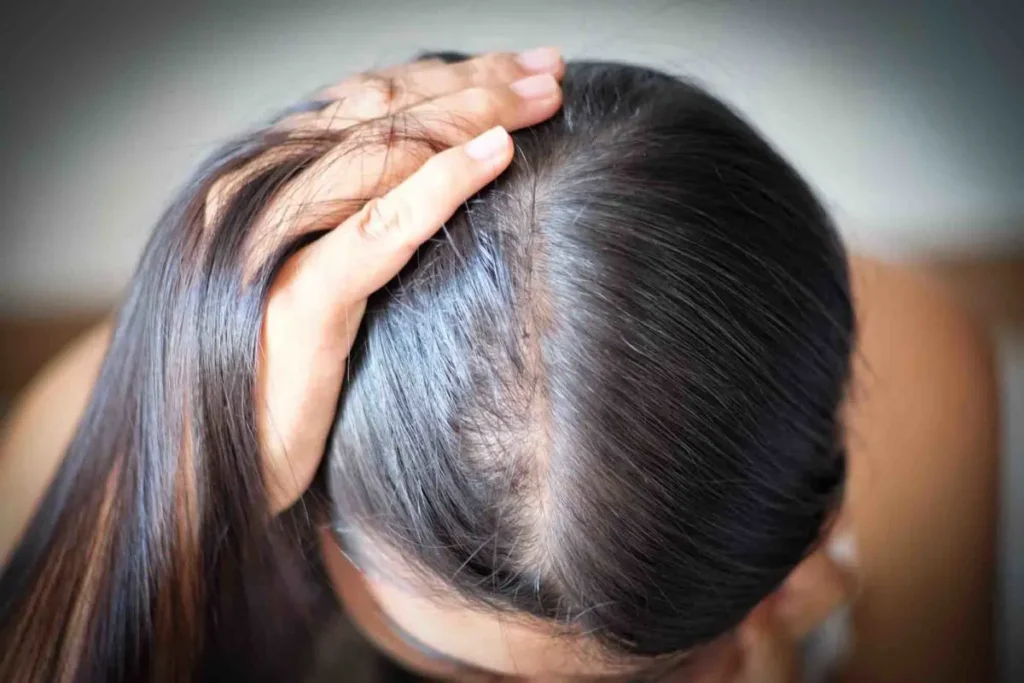
Female pattern hair loss affects more than just looks. It can hurt a woman’s self-esteem and confidence. It’s a condition that needs a deep understanding to tackle well.
What is Androgenetic Alopecia in Women?
Androgenetic alopecia in women causes hair to thin gradually, mainly on the crown and top of the scalp. Hormones, like dihydrotestosterone (DHT), play a big role. Women with a family history are more likely to get it.
This condition shows up differently than in men. Women usually see thinning all over, not just a receding hairline.
How Female Pattern Baldness Differs from Male Pattern Baldness
It’s important to know the differences between female and male pattern baldness. Both are linked to androgenetic alopecia, but they look different.
Female pattern baldness is marked by:
Diffuse thinning across the scalp
Retention of the frontal hairline
Thinning on the crown and top of the head
Male pattern baldness, by contrast, often includes:
A receding hairline
Balding at the crown
More noticeable hair loss
Knowing these differences helps doctors give better treatments. This can lead to better results for women dealing with hair loss.
Causes and Diagnosis of Androgenetic Hair Loss in Females
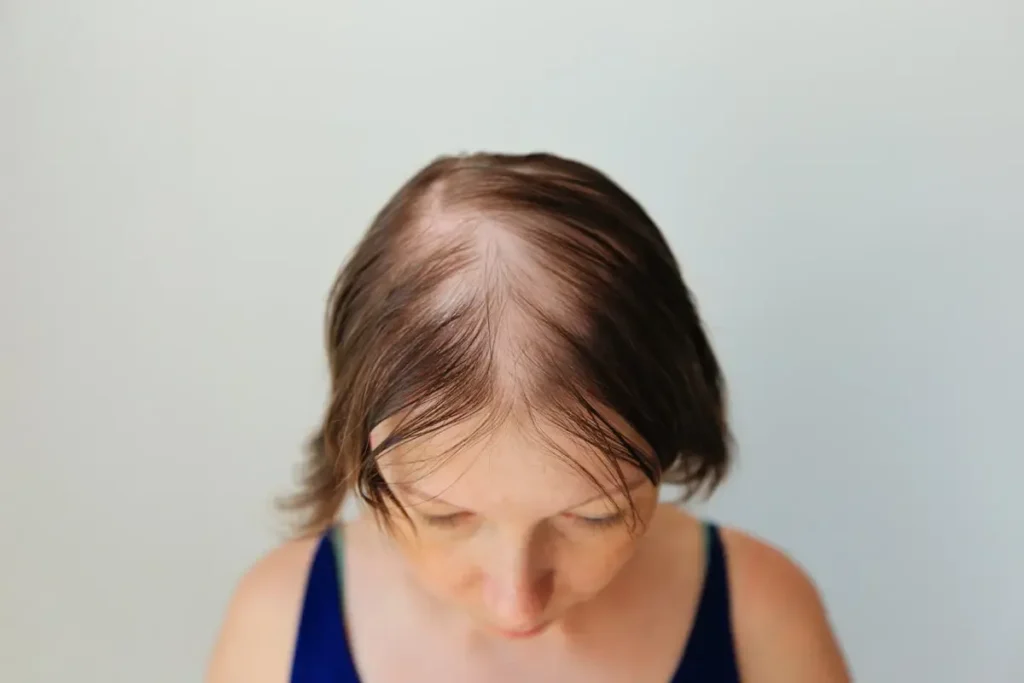
Androgenetic hair loss in females is caused by hormonal and genetic factors. It’s also known as female pattern hair loss. This condition makes hair thin, mainly on the crown and top of the head.
Hormonal and Genetic Factors
Hormones play a big role in hair loss. Androgens, male hormones found in females, are key. An imbalance or sensitivity to these hormones can cause hair loss. Research shows that androgenetic alopecia makes hair follicles smaller, leading to thinner hair and more vellus hairs (Source). Genetics also play a part, making some people more likely to lose hair.
Common Symptoms and Progression
The symptoms of androgenetic hair loss in females include diffuse thinning of the hair on the crown and top. In some cases, hair loss can be more noticeable, creating a balding spot. The condition can progress slowly over years or faster, depending on individual factors.
Diagnostic Approaches
Diagnosing androgenetic hair loss in females involves looking at the hair loss pattern, medical history, and sometimes, hormonal tests. A healthcare professional may do a physical exam, including a scalp check, to rule out other hair loss causes. Sometimes, more tests are needed to find the cause and plan treatment.
Effective Treatments for Androgenetic Hair Loss Female
Female pattern hair loss, or androgenetic alopecia, can be managed with various treatments. The right treatment depends on the condition’s severity and what the patient prefers. It’s important to understand the options and choose wisely.
FDA-Approved Medications
FDA-approved medications are often the first choice. Minoxidil, applied topically, helps hair grow and slows loss. Spironolactone is another option, acting as an anti-androgen to fight male hormones’ effects on hair.
Minoxidil: Stimulates hair growth and reduces hair loss.
Spironolactone: Acts as an anti-androgen to mitigate the impact of male hormones.
Advanced Clinical Treatments
Clinical treatments offer more advanced solutions. Low-Level Laser Therapy (LLLT) is a non-invasive method that uses lasers to stimulate hair growth. Platelet-rich plasma (PRP) therapy involves injecting PRP into the scalp to boost hair growth.
Natural Remedies and Nutritional Approaches
Natural remedies and nutritional approaches support medical treatments. Supplements like biotin, vitamin D, and saw palmetto are good for hair health. Eating a balanced diet is also key for healthy hair.
Combining these treatments and tailoring them to individual needs helps women manage androgenetic hair loss. This way, they can regain confidence in their appearance.
Conclusion: Managing and Living with Female Pattern Hair Loss
Managing female pattern hair loss needs a full plan. This includes knowing the condition, picking the right treatments, and making lifestyle changes. Women can manage their hair loss by using FDA-approved meds, advanced therapies, and natural remedies. For more help, check out the ISHRS Female Hair Loss Guide.
Dealing with hair loss can be tough, but the right steps can help women feel better. Solutions for women go beyond just medicine. They also include changing how you handle your hair and what products you use. By making these changes, women can find solutions that really help.
It’s important to empower women with the knowledge to handle their hair loss. Knowing the causes, signs, and treatment choices helps women take charge of their hair health. This means understanding the good and bad of treatments like minoxidil and finasteride, and looking into other options too.
FAQ
What is androgenetic hair loss in females?
Androgenetic hair loss, also known as female pattern baldness, is a hereditary condition. It’s caused by hormonal factors, like dihydrotestosterone (DHT). It leads to thinning hair across the scalp, mainly on the crown and top.
How does female pattern hair loss differ from male pattern baldness?
Female pattern hair loss is different from male pattern baldness. Men often see a receding hairline and balding at the crown. Women, on the other hand, experience thinning hair all over the scalp, but their hairline stays intact.
What are the common symptoms of androgenetic hair loss in females?
Symptoms include thinning hair, mainly on the crown and top of the head.
How is androgenetic hair loss in females diagnosed?
Doctors diagnose it by looking at the hair loss pattern. They rule out other causes and might check hormones.
What are the available treatments for female pattern hair loss?
Treatments include FDA-approved medications like minoxidil and spironolactone. There’s also low-level laser therapy (LLLT) and natural remedies and nutrition.
Is minoxidil effective for women with androgenetic hair loss?
Yes, minoxidil is FDA-approved for female pattern hair loss. It helps promote hair growth.
What is the role of hormonal factors in androgenetic hair loss?
Hormonal factors, like sensitivity to dihydrotestosterone (DHT), are key in androgenetic hair loss in females.
Can nutritional approaches help in managing female pattern hair loss?
Yes, dietary supplements and specific nutrients can support hair health and manage loss.
How can women regain confidence with female pattern hair loss?
Women can regain confidence by using medical treatments, natural remedies, and nutrition. Addressing emotional and psychological aspects also helps.
What lifestyle adjustments can support hair health in women with androgenetic hair loss?
Adjustments include a balanced diet, reducing stress, and gentle hair care. These support hair health and manage loss.