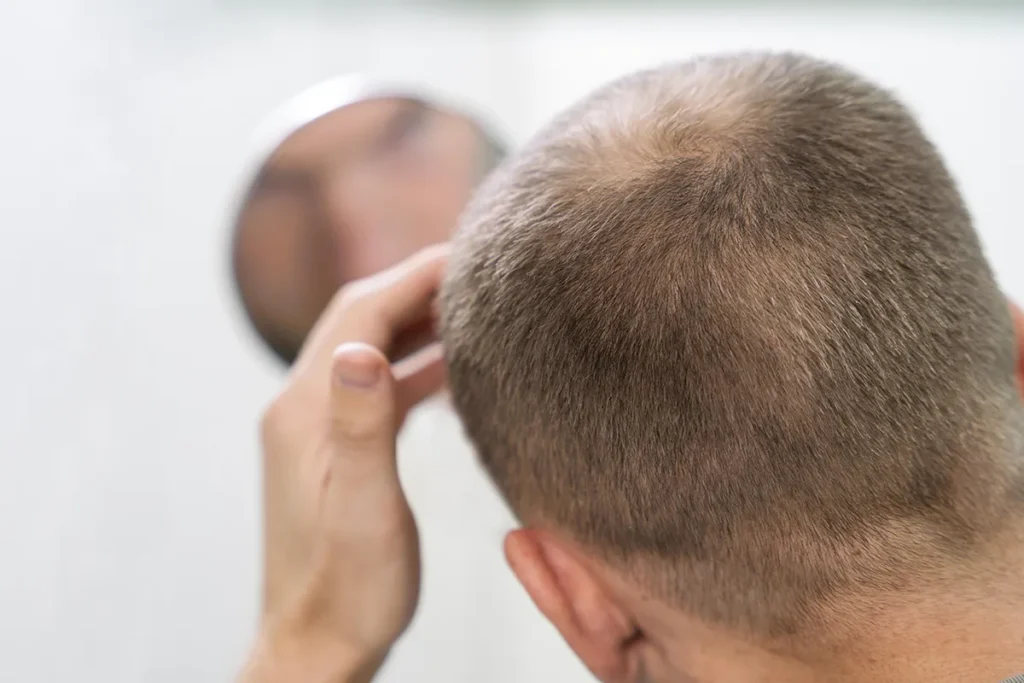
Millions of people worldwide face hair loss and scalp issues. Many don’t know an autoimmune disease might be the reason.
Autoimmune scalp conditions cause pain and loss. Find the best soothing treatments and medical shampoos to calm inflammation and regrow hair.
Conditions like alopecia areata, lupus, and thyroid disorders can cause hair loss. They affect about 0.7 to 3.8 percent of people who see dermatologists.
When the immune system attacks healthy hair follicles, it can cause a lot of hair loss. It’s important to understand how autoimmune disorders affect hair health. This knowledge is key to finding the right treatment.
Key Takeaways
Autoimmune diseases can cause significant hair loss and scalp problems.
Conditions like alopecia areata and lupus are linked to hair loss.
Understanding the immune system’s role is key to effective treatment.
GoldCity Center offers patient-centered care for autoimmune-related hair loss.
Comprehensive treatment plans can help restore hair health.
Understanding Autoimmune Scalp Conditions and Hair Loss

When the immune system goes wrong, it can attack hair follicles. This leads to autoimmune scalp conditions and hair loss. It’s important to know about these issues to manage and treat them well.
How the Immune System Attacks Hair Follicles
The immune system sees hair follicles as enemies and fights them. This fight can cause alopecia areata, where hair falls out in patches without scarring. For more on alopecia areata and autoimmune diseases, check out
This attack on hair follicles stops them from growing normally. This leads to hair falling out early. It can also affect other parts of the body. Spotting the signs of autoimmune hair loss early is key.
Recognizing Symptoms of Autoimmune Hair and Scalp Issues
Autoimmune scalp conditions show up in different ways, like:
Patchy hair loss on the scalp or other areas of the body
Redness and inflammation of the scalp
Itching or burning sensations on the scalp
Excessive hair shedding
These symptoms can be upsetting and affect daily life. Seeing a doctor for a proper diagnosis and treatment is important. Knowing the causes of autoimmune hair loss is the first step to managing it.
Spotting and treating autoimmune scalp conditions early can stop hair loss. It also helps improve scalp health. By fixing the immune system, people can regain their hair and confidence.
Common Autoimmune Diseases That Cause Hair and Scalp Problems
Many autoimmune conditions can harm hair growth and scalp health. These diseases happen when the body’s immune system attacks its own cells. This can cause hair loss and scalp irritation.
Alopecia Areata: The Primary Autoimmune Hair Loss Condition
Alopecia areata is a common autoimmune disease that causes patchy hair loss. It happens when the immune system attacks hair follicles. This leads to hair loss on the scalp, face, or body. Understanding alopecia areata is key to finding good treatments.
“Alopecia areata is not just about looks; it’s a serious autoimmune disease,” says Medical Expert, a dermatologist. She specializes in treating autoimmune hair loss conditions.
Sjogren’s Syndrome and Its Effects on the Scalp
Sjogren’s syndrome mainly affects glands that make tears and saliva. But it can also dry out the scalp, affecting hair growth. People with Sjogren’s may lose hair because of the inflammation in their body.
Studies show Sjogren’s can cause dry scalp and make dandruff worse. Managing Sjogren’s well is important to protect hair and scalp health.
Other Autoimmune Conditions Affecting Hair Growth
Other autoimmune diseases can also harm hair growth. Lupus and thyroid disorders are examples. Lupus can cause hair loss because of the inflammation it brings. Thyroid problems, like hypothyroidism or hyperthyroidism, can also lead to hair loss and scalp issues if not treated.
Lupus: An autoimmune disease that can cause widespread inflammation, potentially leading to hair loss.
Thyroid Disorders: Both hypothyroidism and hyperthyroidism can affect hair growth and scalp health.
It’s important to know how these autoimmune conditions affect hair. By treating the underlying disease, people can manage their hair loss and scalp problems better.
Conclusion: Diagnosis and Management of Autoimmune Hair Loss
It’s important to know how autoimmune diseases can lead to hair loss. Conditions like alopecia areata and lupus need specific treatments. Finding the right treatment starts with a detailed diagnosis and understanding the cause of hair loss.
People dealing with hair loss from autoimmune disease can get better with the right care. This includes treating immune disorder hair loss, even if it’s caused by Sjogren’s syndrome. With the right approach, you can see your hair grow back and feel better overall.
Healthcare experts play a big role in helping people manage their hair loss. They create treatment plans that fit each person’s needs. By getting the right treatment, you can regain your hair’s health and look your best. Start your journey to a healthier, more beautiful you by tackling the causes of autoimmune hair loss.
FAQ
Can autoimmune diseases cause hair loss?
Yes, autoimmune diseases can cause hair loss. They attack healthy hair follicles and scalp tissues. This leads to different types of hair loss.
What is alopecia areata, and how does it affect hair loss?
Alopecia areata is a condition where the immune system attacks hair follicles. It causes patchy hair loss.
Does Sjogren’s syndrome cause hair loss?
Sjogren’s syndrome can cause dry scalp issues. This might affect hair growth. But it’s not a direct cause of hair loss.
How do other autoimmune conditions like lupus and thyroid disorders impact hair health?
Lupus and thyroid disorders can harm hair health. They lead to hair loss and scalp problems. This is because the immune system doesn’t work right.
What is the importance of understanding the link between autoimmune diseases and hair loss?
It’s key to understand the link between autoimmune diseases and hair loss. This helps find effective treatments and plans.
How is autoimmune hair loss diagnosed and managed?
Diagnosing and managing autoimmune hair loss needs a detailed approach. It involves understanding the condition and using targeted therapies. These help manage symptoms and promote hair growth.
Can autoimmune disease-related hair loss be treated?
Yes, with the right treatment, people can control their hair health. They can manage their autoimmune hair loss effectively.
What are the symptoms of autoimmune hair and scalp issues?
Knowing the symptoms of autoimmune hair and scalp issues is important. Symptoms include sudden, patchy hair loss. Early intervention and management are key.
References
National Center for Biotechnology Information. Evidence-Based Medical Insight. Retrieved from https://www.ncbi.nlm.nih.gov/books/NBK537000/

