A normal hairline looks different for everyone. It depends on your genes, where you’re from, how old you are, and your health. Knowing what a healthy hairline looks like is key to spotting problems and keeping your hair in good shape.
Average male hairline shapes vary with age. Discover what is considered normal and how to tell if yours is receding or just maturing.
Studies show that a normal hairline has certain features. For guys, it’s often a straight or M-shaped line. A healthy hairline in men usually sits right in the middle of the forehead. It might be symmetrical, slightly curved, or have a gentle M shape.
Key Takeaways
A normal hairline is influenced by genetics, ethnicity, age, and overall health.
A healthy hairline is characterized by its shape, positioning, and hair growth patterns.
Males typically have a linear or M-shaped hairline configuration.
A healthy male hairline is positioned at the middle of the forehead.
Understanding your hairline is key to keeping your hair healthy.
Characteristics of a Normal Hairline
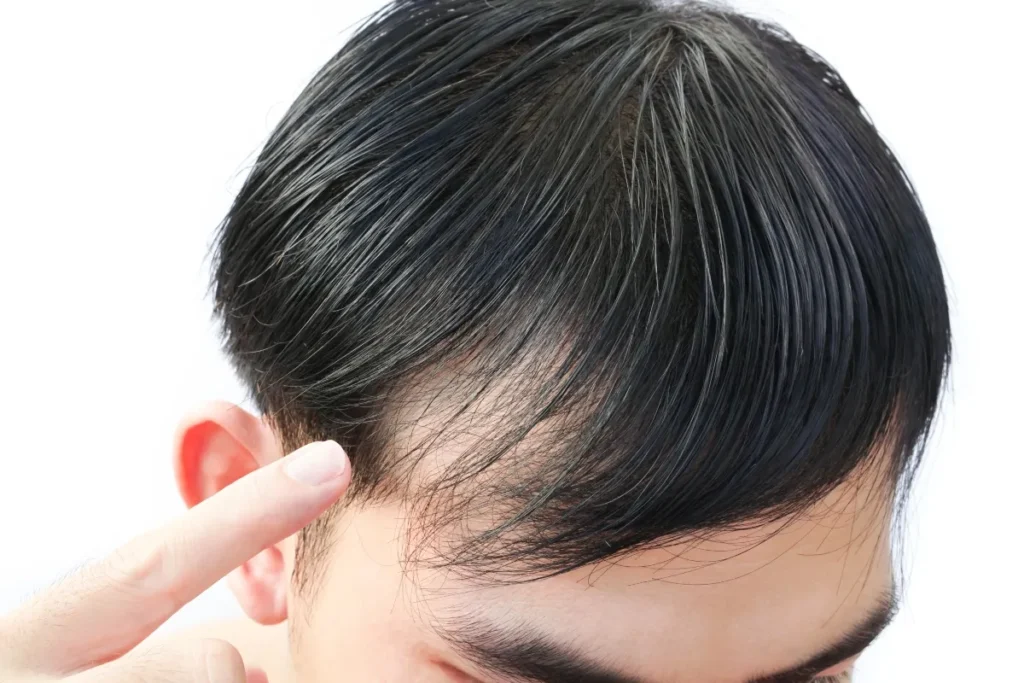
A normal hairline looks different for everyone. It depends on several important factors. Knowing these factors helps us see what a healthy hairline looks like.
Factors Affecting Hairline Appearance
Many things affect how a hairline looks. Genetics play a big role in its shape and where it starts. Age also matters, as hairlines change over time. Hormonal changes, like during puberty and menopause, can also change how a hairline looks.
What we do every day can also impact our hairline. Tight hairstyles or using too much heat can cause hair loss. It’s important to be careful with these habits to keep our hairline healthy.
Common Hairline Variations
Normal hairlines come in many shapes and styles. Here are some common ones:
Straight Hairline: This hairline has a straight edge across the forehead.
M-Shaped Hairline: It has a clear ‘M’ shape because of recession at the temples.
Bell-Shaped Hairline: This hairline curves outward, looking like a bell.
Widow’s Peak: It has a distinctive downward point in the middle, forming a ‘V’ shape.
These different types are shaped by genetics, age, and hormonal changes. Knowing about these variations helps us understand what’s normal for our hairline. It also guides us on how to keep our hair healthy.
The Average Male Hairline: Patterns and Features
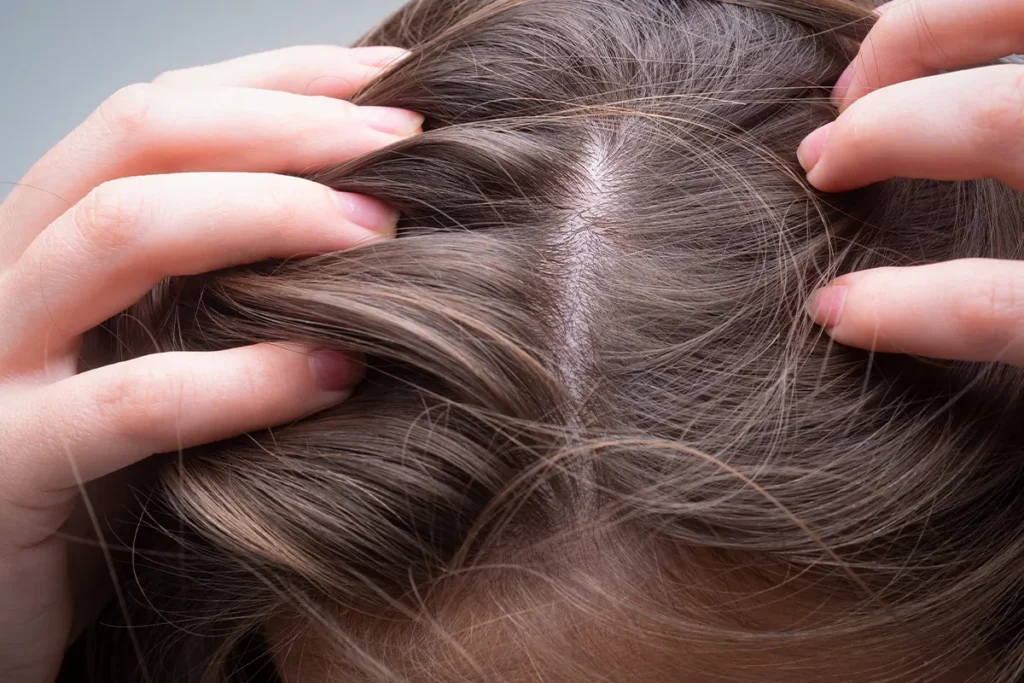
Men often wonder what makes a normal hairline. It’s key to look at the patterns and features that define it. The average male hairline has distinct shapes that can change over time.
Linear vs. M-Shaped Configurations
The average male hairline usually has a linear or M-shaped pattern. A linear hairline is common in younger men, with a straight line across the forehead. As men get older, their hairline might turn into an M-shaped configuration. This shape has recession at the temples, forming a subtle “M” shape.
“The M-shaped hairline is a normal part of aging for many men,” says a leading dermatologist. “It’s influenced by hormonal changes and genetics, and it’s a common occurrence in the late teens to early thirties.”
Juvenile to Mature Hairline Transition
The transition from a juvenile to a mature hairline is a natural process for many men. During this time, the hairline may recede slightly. The M-shaped configuration becomes more noticeable.
It’s important to note that some recession is normal, but too much hair loss is a concern. Men should watch their hairline’s progress. If they notice any unusual changes, they should consult a professional.
Normal Female Hairline Characteristics
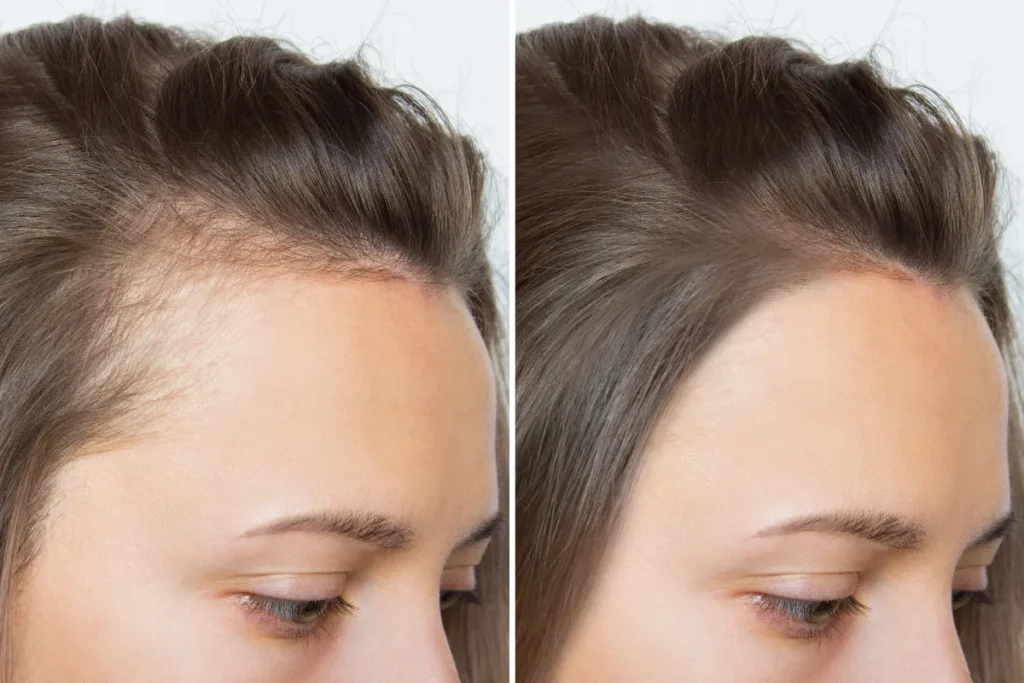
The shape and where a female hairline is can change how a face looks. It’s shaped by genes and hormones. A normal female hairline usually has a soft, rounded, or bell-like curve.
Shape and Positioning Differences
Women’s hairlines are often softer and more rounded than men’s. They sit lower on the forehead. Some women have a more curved hairline, while others have a straight one.
Knowing these differences helps figure out what’s normal for each woman. This is important, as healthline.com points out.
The hairline’s position also changes with age and genetics. A regular hairline in women is not just about shape. It’s also about where it sits on the forehead.
Age-Related Changes in Women’s Hairlines
As women get older, their hairline can change. This is due to hormones, lifestyle, and genes. Some women see their hairline thin or recede, which is common with aging.
But big changes might mean there’s a health issue. Keeping hair healthy and knowing what affects it can help women keep their hair looking good as they age.
Conclusion
Knowing what a normal hairline looks like is key to keeping your hair healthy. It helps spot any problems early. By knowing what a normal hair line looks like, you can help your hair grow strong.
A normal hairline looks different for men and women. Men usually have a straight or M-shaped hairline. Women’s hairlines are more rounded.
Accepting your hairline natural shape is important. It helps keep your hair healthy and full. Knowing the difference between a mature and receding hairline can make your hair shine.
Starting your hair’s health journey means understanding your hairline. This knowledge can improve your hair care routine and bring timeless beauty.
FAQ
What does a healthy hairline look like?
A healthy hairline grows smoothly, usually forward or slightly up. It doesn’t have harsh angles or uneven growth. Men often have a linear or M-shaped hairline, while women’s hairlines are softer and more rounded.
What is a normal hairline for men?
Most men have a linear or M-shaped hairline. This is seen in 88.5% of men. A healthy male hairline is usually in the middle of the forehead. It might be symmetrical, slightly rounded, or gently receding.
What is a normal hairline for women?
Women’s hairlines are softer and more rounded. They sit lower on the forehead than men’s. The shape and position can vary, with some being more oval or rounded.
How does age affect hairline appearance?
Age changes hairlines over time. Hormonal shifts during puberty and menopause also play a role.
What are common hairline variations?
There are several common hairline types. These include straight, M-shaped, bell-shaped, and widow’s peak. Knowing these can help you understand your hairline better.
Can lifestyle habits affect my hairline?
Yes, certain habits can impact your hairline. Tight hairstyles or using too much heat can cause hair to recede.
How does genetics influence hairline shape and positioning?
Genetics are key in determining your hairline. They help shape and position it, making them important to understand.
What is a naturally high hairline?
A naturally high hairline sits higher on the forehead than usual. It’s a normal variation for some people.
Can a jagged hairline be considered normal?
A jagged hairline can be normal, but it might also signal an issue. It’s best to see a professional to find out why.