Vitamin B6, or pyridoxine, is key for healthy hair growth and stopping hair loss. It helps with protein metabolism and hormone balance, which are vital for a healthy scalp. B6 and hair loss prevention is scientifically backed. Explore the best vitamin secrets to maintain healthy follicles and prevent thinning.
Studies show Vitamin B6 can make hair better and cut down on hair loss, mainly in diffuse alopecia. Adding Vitamin B6 to your hair care regimen can help with hair growth and prevent loss. For more on Vitamin B6 and scalp health, check out Happy Head’s blog.
Key Takeaways
Vitamin B6 supports protein metabolism, which is key for healthy hair growth.
Enough Vitamin B6 can stop hair loss.
Eating foods high in Vitamin B6, like pork, peanuts, and oats, can help hair health.
Lack of Vitamin B6 can lead to poor scalp circulation and low keratin levels.
People at high risk of deficiency might need Vitamin B6 supplements.
Understanding Vitamin B6 and Its Role in Hair Health
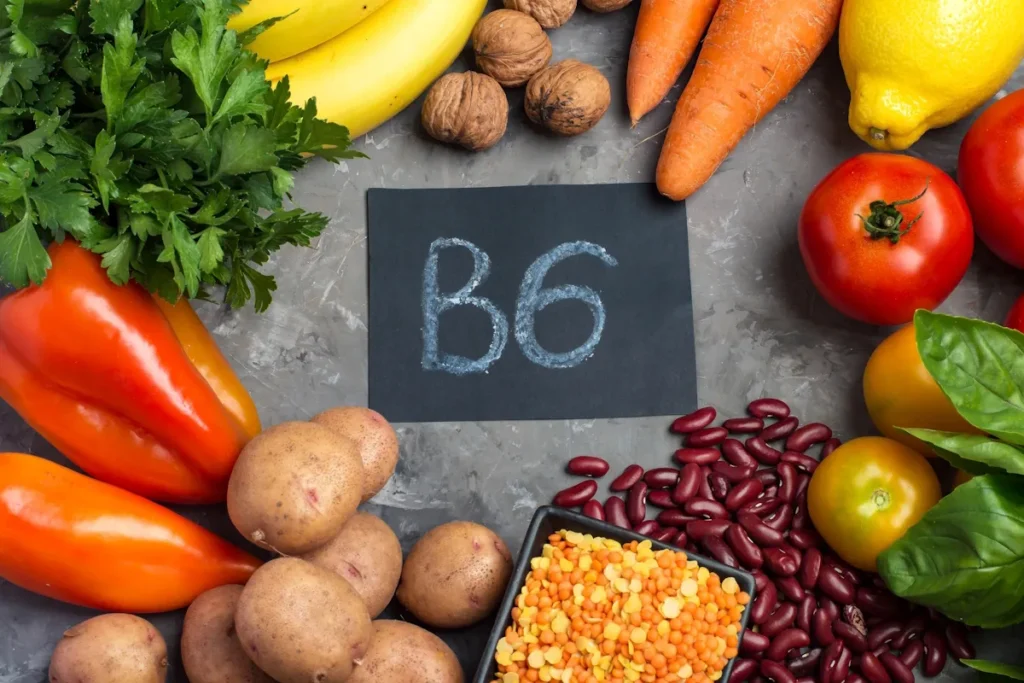
To understand how Vitamin B6 affects hair loss, we must first know what it is and how it works. Vitamin B6, or pyridoxine, is a water-soluble vitamin important for hair growth. Its active form, pyridoxal 5-phosphate (P5P), helps in many metabolic processes that keep us healthy.
What is Vitamin B6 (Pyridoxine and P5P)?
Vitamin B6 is a key nutrient for our bodies. It helps with energy, nerve function, and making red blood cells. Pyridoxine is the common form in foods and supplements, while P5P is the active form our bodies use.
The liver converts pyridoxine to P5P, which then goes to different parts of the body. P5P is vital for breaking down proteins, fats, and carbs. This is important for healthy hair, skin, and nails.
How Vitamin B6 Contributes to Healthy Hair Growth
Vitamin B6 helps hair grow by managing protein metabolism. This is key for making keratin, a protein that gives hair strength and texture. Without enough Vitamin B6, hair problems can occur.
Also, Vitamin B6 helps make melanin, the pigment that gives hair color. With enough Vitamin B6, hair stays vibrant and its natural color is maintained, reducing early graying.
Signs of Vitamin B6 Deficiency Affecting Hair
A Vitamin B6 deficiency can show in hair issues like hair thinning, hair loss, and poor hair condition. Spotting these signs early can help fix the problem and prevent more damage.
Other signs of Vitamin B6 deficiency include feeling tired, weak, and having neurological problems. If you’re losing hair and feeling these symptoms, see a doctor to find out why.
The Science Behind B6 and Hair Loss
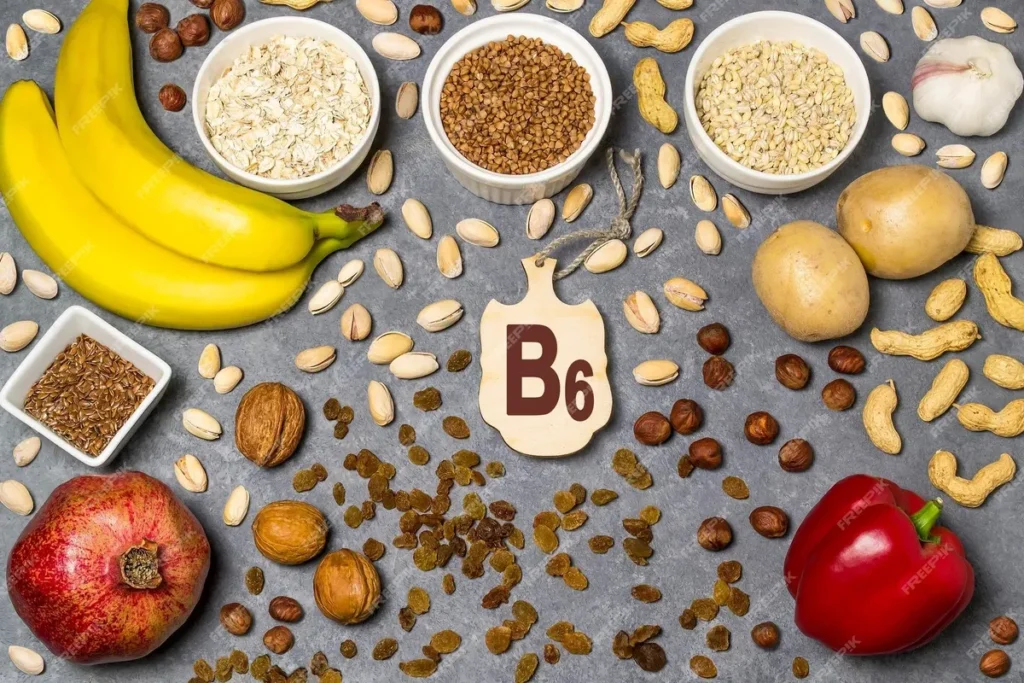
Learning about Vitamin B6 and hair loss can change lives. Vitamin B6, or Pyridoxine, is key for many body functions. It affects hair health directly.
Clinical Studies on Women with Diffuse Alopecia
Studies show Vitamin B6 helps with hair loss, mainly in women with diffuse alopecia. Research shows it can reduce hair loss. It does this by making the scalp and hair follicles healthier.
Key findings include better hair density and fewer hair follicles in the telogen phase. This is a big sign of hair loss.
How B6 Regulates Protein Metabolism for Keratin Production
Vitamin B6 is vital for protein metabolism. This is key for making keratin, the protein in hair. It helps hair follicles get what they need for growth.
Efficient keratin production is essential for strong hair. Vitamin B6’s role in this shows its importance in keeping hair healthy and preventing loss.
Vitamin B6’s Role in Blocking DHT and Preventing Follicle Damage
Dihydrotestosterone (DHT) harms hair follicles, leading to hair loss. Vitamin B6 helps block DHT. This protects hair follicles and keeps the scalp healthy.
By inhibiting DHT production, Vitamin B6 stops hair follicles from shrinking. This prevents hair from becoming thinner and shorter, and it helps prevent hair loss.
Practical Ways to Use Vitamin B6 for Hair Loss Prevention
Vitamin B6 is key for healthy hair. It helps prevent hair loss. Adding Vitamin B6 to your hair care can boost growth and lower loss risk.
Recommended Dosage and Supplementation Methods
The right Vitamin B6 dose varies by person. Talk to a doctor to find out what’s best for you. Adults usually need 1.3 to 2.0 milligrams a day. Stick to the recommended amount to avoid side effects.
Dietary Sources Rich in Vitamin B6
Eating foods high in Vitamin B6 is a natural way to support hair. Chicken, fish, potatoes, and veggies are good sources. Eating these can help meet your Vitamin B6 needs. For instance, grilled chicken breast is a big Vitamin B6 source.
Topical Applications and B6-Infused Hair Products
Topical Vitamin B6 and hair products also help. Shampoos, conditioners, and masks with Vitamin B6 nourish the scalp. Choose products rich in Vitamin B6 and other nutrients.
Combining B6 with Other Hair-Supporting Nutrients
For best results, mix Vitamin B6 with other nutrients. Biotin, keratin, and vitamins work together to strengthen hair. A balanced routine with these nutrients can lead to better hair.
Conclusion
Vitamin B6 is a key player in getting healthy, shiny hair. It helps with protein breakdown and hormone balance. This makes it great for growing hair and reducing loss.
You can add Vitamin B6 to your hair care by eating right, taking supplements, or using products with it. A diet full of B6, supplements, or products with it can help.
Studies show Vitamin B6 works well against hair loss, like diffuse alopecia. When you mix it with calcium and pantothenic acid, it’s even more effective. This combo can lead to beautiful, healthy hair.
Using Vitamin B6 can change your hair game. Knowing how it helps hair health lets you get a fuller, shinier head. This boosts your beauty and confidence.
FAQ
What is Vitamin B6 and how does it support hair health?
Vitamin B6, or pyridoxine, is a key nutrient for hair health. It helps regulate protein and hormone balance. These are vital for growing healthy hair.
Can Vitamin B6 help with hair loss?
Yes, Vitamin B6 can help with hair loss, like diffuse alopecia. It promotes hair growth and prevents loss by managing protein and hormones.
What are the signs of Vitamin B6 deficiency that can affect hair?
Signs of Vitamin B6 deficiency include thinning or loss of hair and poor hair condition. Adding Vitamin B6 to your diet or supplements can help.
How does Vitamin B6 regulate protein metabolism for keratin production?
Vitamin B6 controls protein metabolism, which is key for keratin production. Keratin is a protein in hair that supports growth.
Can Vitamin B6 block dihydrotestosterone (DHT) and prevent follicle damage?
Yes, Vitamin B6 can block DHT, a hormone that damages hair follicles. This helps prevent hair loss.
What is the recommended dosage of Vitamin B6 for hair loss prevention?
The right dosage of Vitamin B6 varies. Always talk to a healthcare professional to find the best supplement for you.
What are some dietary sources rich in Vitamin B6?
Foods rich in Vitamin B6 include lean meats, fish, and veggies. Adding these to your diet supports hair health.
Can topical applications and hair products infused with Vitamin B6 be beneficial?
Yes, using Vitamin B6 in hair products can help promote hair growth and prevent loss.
Can Vitamin B6 be combined with other nutrients for enhanced effectiveness?
Yes, mixing Vitamin B6 with nutrients like biotin and keratin can boost its benefits for hair growth and loss prevention.
How does pantethine relate to hair loss?
Pantethine, linked to Vitamin B5, is sometimes used with B vitamins like B6 for hair health. Its direct role is less known.
Does calcium help with hair growth?
Calcium is good for overall health. Its direct link to hair growth is unclear, but it supports bodily functions, including hair health.
What is the role of calcium pantothenate in hair care?
Calcium pantothenate, a Vitamin B5 form, is in some hair products for its hair health benefits. Its effectiveness varies.
References
National Center for Biotechnology Information. Evidence-Based Medical Insight. Retrieved from https://pubmed.ncbi.nlm.nih.gov/11344694/