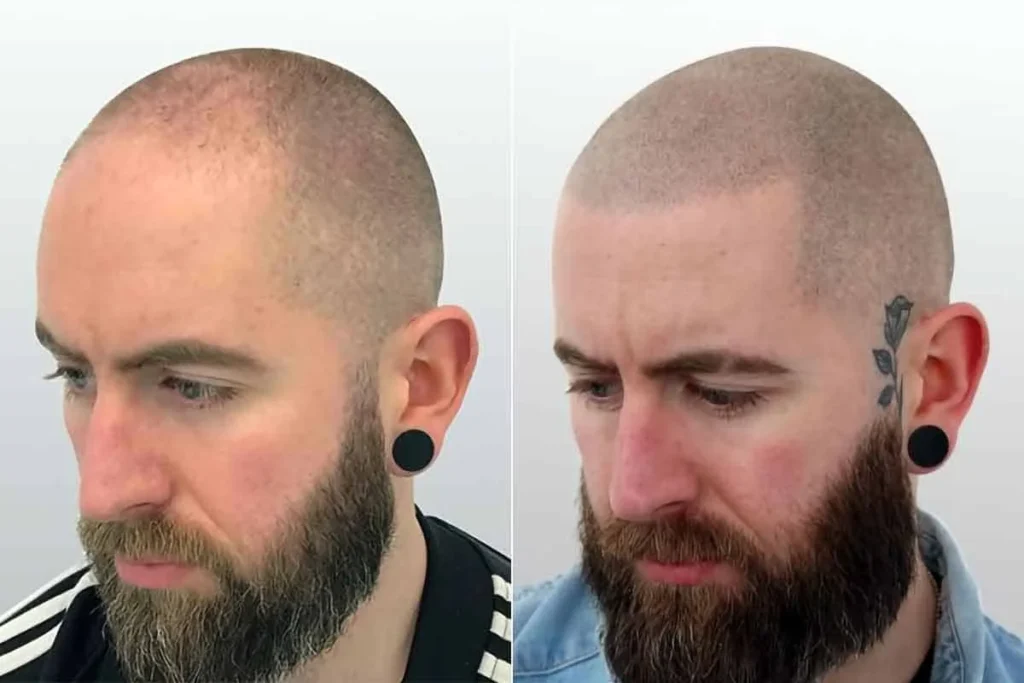
Bald patches in beard can be embarrassing. Use our best rapid cures and growth stimulants to achieve a full, thick beard in no time.
Seeing hair loss in your beard can be upsetting, but you’re not alone. Alopecia barbae, a type of autoimmune hair loss, affects many men globally. At GoldCity Center, we know that beard hair loss is more than just a physical issue. It affects your confidence and how you express yourself.
We use advanced tests and new treatments like JAK inhibitors and platelet-rich plasma injections. These beard hair loss remedies can help you feel confident again. Learning about the causes and trying these treatments can help you “own your beauty.”
Key Takeaways
Understanding alopecia barbae is key to effective treatment.
Advanced tests help find the cause of beard hair loss.
New treatments, such as JAK inhibitors, offer hope.
Platelet-rich plasma injections are a modern solution for beard hair loss.
With the right treatment, you can regain your confidence.
Understanding Bald Patches in Beard

Bald patches in the beard can be upsetting for many men. “Your skin deserves this glow-up” as we dive into this issue. We’ll explore its causes and effects.
What is Alopecia Barbae?
Alopecia barbae is an autoimmune condition that targets the beard area, causing hair loss. It’s a form of alopecia areata that affects the beard, leading to bald patches. This condition can be linked to other autoimmune diseases and can be triggered by stress and genetics.
Experts say alopecia barbae starts suddenly, causing smooth, round bald spots. Knowing about this condition is key for effective treatment and management.
Common Symptoms and Affected Areas
The symptoms of alopecia barbae include smooth, round bald spots that appear suddenly. These patches can show up anywhere on the beard area, like the chin, cheeks, and neck.
In some cases, the condition may get worse, causing more hair loss. It’s important to spot the symptoms early to start treatment right away.
Risk Factors and Progression
Several factors can lead to alopecia barbae, including genetic predisposition, autoimmune responses, and stress. Knowing these risk factors helps in early diagnosis and treatment.
By “elevating your routine” with knowledge, you can manage this condition better. As a leading dermatologist notes, “Early intervention is key to managing alopecia barbae effectively.”
Recognizing the risk factors and symptoms helps individuals get the right medical care. This can stop the condition from getting worse.
Medical Treatments for Beard Baldness
Medical treatments for beard baldness have improved a lot. They help those losing hair to grow it back. These treatments aim to reduce inflammation and promote hair growth.
Topical Corticosteroids
Topical corticosteroids are a common treatment for beard baldness. They are used for conditions like alopecia barbae. These creams or ointments are applied directly to the affected area.
They reduce inflammation and stimulate hair growth. Clinically proven to be effective, they are often the first treatment for many.
Minoxidil Solutions
Minoxidil is a popular treatment for beard hair growth. It is applied topically. Minoxidil solutions widen the hair follicles and prolong the anagen phase.
This leads to thicker and fuller beard hair. Regular application is key to get the best results with minoxidil.
Intralesional Triamcinolone Injections
For severe cases of beard baldness, intralesional triamcinolone injections are recommended. These injections deliver corticosteroids directly into the affected area. They reduce inflammation and promote hair regrowth.
This treatment is used when other treatments have not worked.
Platelet-Rich Plasma Therapy
Platelet-rich plasma (PRP) therapy is a new treatment. It involves injecting platelet-rich plasma (from the patient’s own blood) into the scalp or beard area. PRP contains growth factors that stimulate hair growth.
This innovative therapy has shown promising results in promoting beard hair regrowth.
By exploring these medical treatments, individuals experiencing beard baldness can find effective solutions. They can regain a full and healthy beard. This improves their overall appearance and confidence.
Natural Remedies and Self-Care Approaches
Using natural remedies can really help with beard hair loss. Adding these to your daily routine can make your hair grow healthier. It also improves your beard care.
Garlic Gel Applications
Garlic gel might help with beard hair loss. It has natural properties that help hair grow. Putting garlic gel on the affected areas can make your beard fuller. Use it consistently and follow the directions.
Essential Oils for Beard Growth
Essential oils like rosemary, lavender, and peppermint can help your beard grow. Mix them with a carrier oil for a gentle, effective treatment. Rubbing these oils into your beard can boost circulation, lower stress, and help your hair grow better.
Proper Beard Care Routine
Having a good beard care routine is key to managing hair loss. Regular washing, conditioning, and combing keep your beard healthy. Using beard oil or balm also moisturizes and protects your beard, reducing hair loss risk.
Dietary Changes to Support Hair Growth
Eating a balanced diet full of vitamins and minerals is vital for hair growth. Foods rich in protein, iron, and biotin strengthen hair follicles. For more on diet for hair growth, check out guide on alopecia areata.
By mixing these natural remedies and self-care steps, you can fight beard hair loss. This way, you can get a healthier, fuller beard.
Conclusion
Treating bald patches in the beard needs a mix of medical treatments and natural remedies. Knowing why alopecia areata happens and trying different treatments is key. This helps get a full, healthy beard back.
Spotting alopecia facial hair early and acting fast is important. The right treatment can help hair grow back and make your beard better. If you’re looking for new ways to treat alopecia barbae, talking to a trusted research group can help. You can learn more about it on the Dermatology Trials website.
Starting your journey to a full beard means understanding your options and picking the best one. With the right care, you can get a beard that shines and boosts your confidence.
FAQ
What is alopecia barbae, and how does it affect the beard?
Alopecia barbae is a type of alopecia areata that affects the beard. It causes sudden hair loss, leading to small, circular bald spots.
What are the common symptoms of alopecia barbae?
Symptoms include smooth, round bald spots in the beard area. These spots appear suddenly.
What are the risk factors for developing alopecia barbae?
Risk factors include genetic predisposition and autoimmune responses. These can lead to the condition.
What medical treatments are available for beard baldness?
Treatments include topical corticosteroids and minoxidil solutions. These help stimulate hair growth and reduce inflammation. Intralesional triamcinolone injections and platelet-rich plasma therapy offer more advanced solutions.
Are there any natural remedies for beard hair loss?
Yes, garlic gel and essential oils can help promote hair growth. A good beard care routine and a diet rich in nutrients also support hair health.
How can I support hair growth through dietary changes?
Eating a diet rich in nutrients is key. It helps ensure you get enough vitamins and minerals for hair growth.
Can alopecia barbae be cured?
There’s no definitive cure for alopecia barbae. But, treatments can manage the condition and help hair regrow.
How effective are topical corticosteroids in treating beard baldness?
Topical corticosteroids are effective. They reduce inflammation and promote hair growth, making them a common treatment.
What is platelet-rich plasma therapy, and how does it help?
Platelet-rich plasma therapy uses the patient’s own platelet-rich plasma to stimulate hair growth. It’s an advanced treatment that improves hair density and promotes regrowth.
Are there any self-care approaches that can help manage beard hair loss?
Yes, a proper beard care routine, reducing stress, and a balanced diet can help manage hair loss. They support overall hair health.
References
National Center for Biotechnology Information. Evidence-Based Medical Insight. Retrieved from https://pubmed.ncbi.nlm.nih.gov/37425656/

