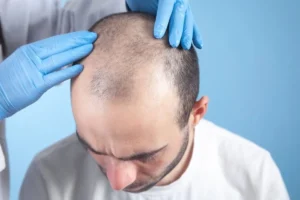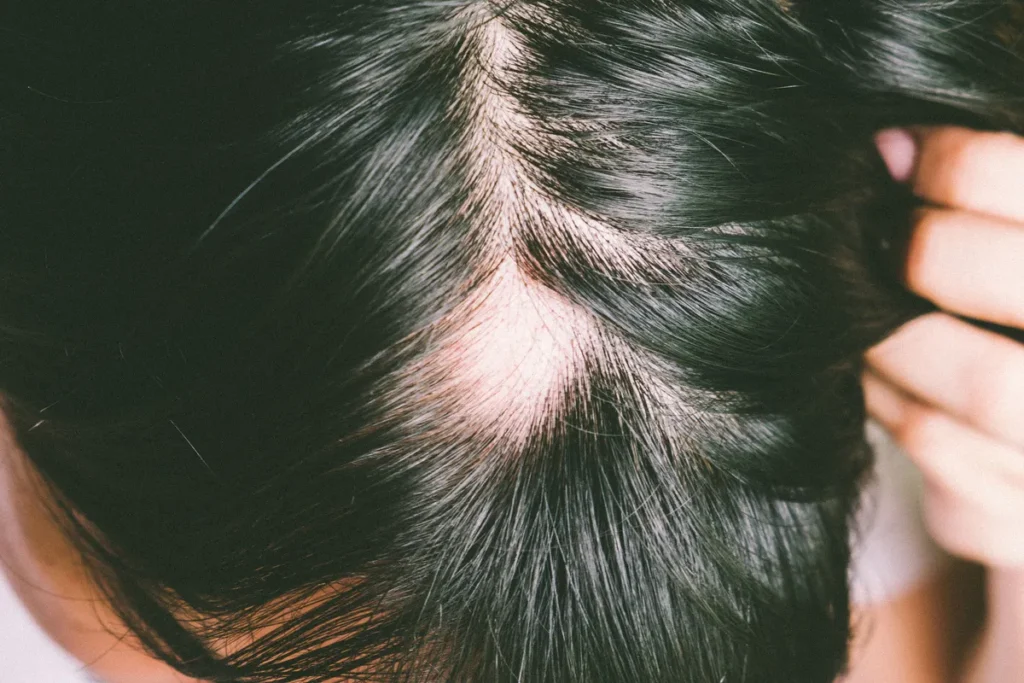
For many, hair transplant surgery is a game-changer. It brings back a full head of hair. But, it’s common for patients to worry when they see transplanted hair falling out soon after. This is called shock loss and is a normal part of the process. Balding after hair transplant might be temporary shock loss. Get the best tips to manage shedding and ensure your long-term success.
Shock loss happens when the new follicles are briefly without blood and nutrients. Experts say this shedding is a normal side effect. New hair growth starts again after about 3 months. For more details, check out Cosmedica’s guide on hair shedding after hair transplant.
Knowing about this recovery phase can make you feel more confident in your hair transplant results. With the right care and patience, most people see great results in 12 to 15 months.
Key Takeaways
Shock loss is a normal and temporary condition after hair transplant surgery.
Transplanted hair falls out due to brief loss of blood supply and nutrients.
New hair growth resumes after about 3 months.
Full results are visible around 12 to 15 months post-procedure.
Proper post-operative care is key for successful hair transplant outcomes.
Understanding Shock Loss After Hair Transplant
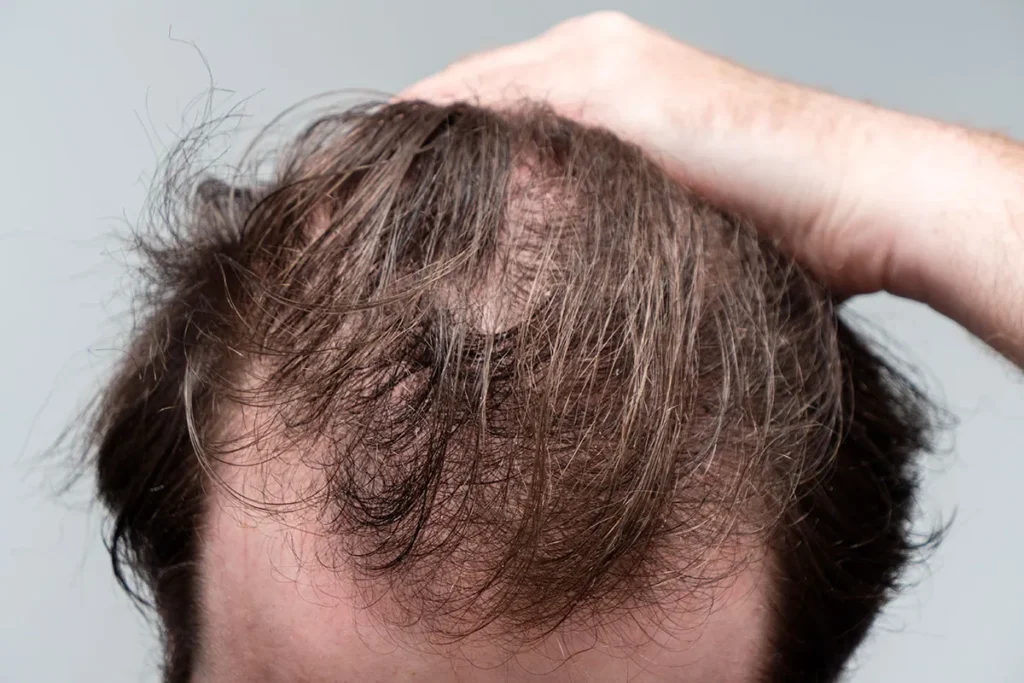
After a hair transplant, shock loss is a common issue. It’s a temporary condition that can worry patients. Shock loss happens when hair falls out around the transplant area and sometimes in the transplanted hair itself.
Causes and Explanation of Shock Loss
Shock loss comes from the surgery’s trauma. This trauma makes hair follicles go into a resting phase, leading to hair loss. The body sheds hair to make room for new growth, which can seem scary but is a good sign.
The hair growth cycle has three phases: growth, transitional, and resting. Surgery can push follicles into the resting phase, causing hair to fall out. But don’t worry, the follicles are okay and will grow hair again.
The Difference Between Temporary Shedding and Permanent Loss
It’s important to know the difference between shock loss and permanent hair loss. Shock loss is temporary and goes away by itself. But permanent hair loss is a bigger worry. It happens when hair follicles are damaged and can’t grow hair again.
Knowing the difference between shock loss and permanent hair loss helps patients feel better. Shock loss might seem scary, but it’s just a step towards new hair growth.
Balding After Hair Transplant: Timeline and Recovery Process
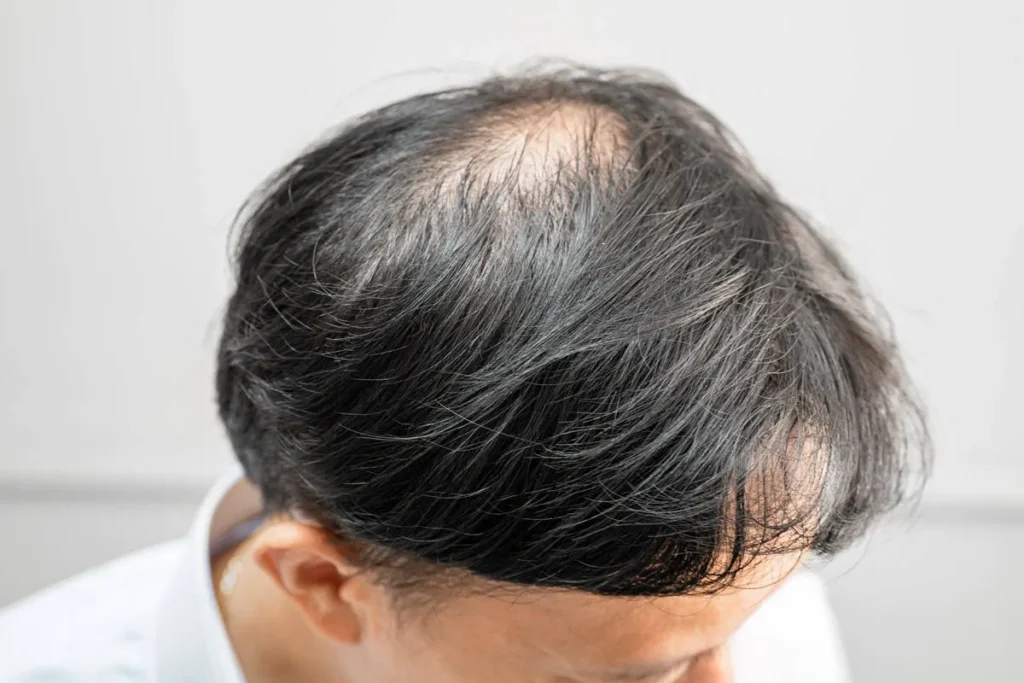
Knowing what to expect after a hair transplant is key. It helps manage hopes and ensures a smooth path to getting hair back. The journey has different stages, each with its own traits and goals.
Initial Shedding Phase: 2-8 Weeks Post-Surgery
Right after a hair transplant, you might see a lot of hair fall out. This happens in the initial shedding phase and lasts 2-8 weeks. It’s normal and not something to worry about.
This shedding is a sign that the hair follicles are getting ready for new hair to grow. It’s important to follow the care instructions given after surgery. This helps avoid problems and supports hair growth.
The Dormant Period: What’s Happening Below the Scalp
After the shedding phase, the hair follicles go into a dormant period. It might look like nothing is happening, but under the scalp, the follicles are getting ready for new hair. This is a key time for the new hair cycle to start.
In this period, the follicles are getting stronger and more ready for hair to grow. It’s a time of renewal and getting ready for the next stage of recovery.
Regrowth Timeline: When to Expect Results
The regrowth timeline can vary, but most people start seeing new hair in 3-4 months. Over time, the hair will get thicker and cover more of the scalp.
By knowing the balding after hair transplant timeline and recovery, patients can better understand their journey. With patience and the right care, the results can be amazing.
Conclusion: Why Transplanted Hair Provides Permanent Results
Transplanted hair is a lasting fix for hair loss. It’s resistant to balding and keeps growing forever. This means you get permanent results. It’s important to know about shock loss and follow care tips for the best results.
The time it takes for hair to grow back varies. But with good care, it can look natural and successful. Keeping a healthy lifestyle and using products like finasteride and minoxidil helps keep your hair thick.
Choosing modern hair transplant methods like FUE or FUT leads to lasting beauty. With proper care, your transplanted hair can boost your confidence and shine for years.
FAQ
Will transplanted hair fall out after surgery?
Yes, it’s normal for transplanted hair to shed after surgery. This is due to shock loss, which is usually temporary. The transplanted hair is considered a permanent solution because the donor follicles are resistant to DHT.
What is shock loss, and why does it happen?
Shock loss is a temporary shedding of hair after a hair transplant. It’s caused by surgical trauma that disrupts the hair growth cycle. It’s a normal part of the hair transplant process and usually resolves on its own.
Is shock loss the same as permanent hair loss?
No, shock loss is different from permanent hair loss. While it may seem alarming, shock loss is usually temporary. The transplanted hair will regrow.
How long does it take for transplanted hair to regrow?
The regrowth timeline varies, but most patients see results within 6-12 months after surgery. The full results may take up to 18 months to a year or more to mature.
Can I prevent shock loss after a hair transplant?
While it’s not possible to completely prevent shock loss, following post-operative care instructions and maintaining a healthy lifestyle can support the hair growth cycle during recovery.
Does hair transplant hair fall out due to balding?
No, transplanted hair is resistant to balding due to its genetic resistance to DHT. It’s essential to follow post-operative care instructions and maintain a healthy lifestyle to support the longevity of the transplanted hair.
Will I experience hair thinning after a hair transplant?
Some patients may experience thinning around the recipient site, but this is usually temporary. The transplanted hair will regrow, and the final results will be visible within 6-18 months.
How can I support the hair growth cycle during recovery?
To support the hair growth cycle, follow post-operative care instructions, maintain a healthy diet, reduce stress, and avoid harsh chemicals or excessive heat styling.
Is hair loss after a hair transplant normal?
Yes, some hair loss after a hair transplant is normal due to shock loss. This is usually temporary, and the transplanted hair will regrow.
Can I lose hair after a transplant due to poor aftercare?
While poor aftercare may affect the success of the transplant, it’s unlikely to cause permanent hair loss. Following post-operative care instructions is key to support the hair growth cycle during recovery.
References
National Center for Biotechnology Information. Evidence-Based Medical Insight. Retrieved from https://pubmed.ncbi.nlm.nih.gov/37816944/