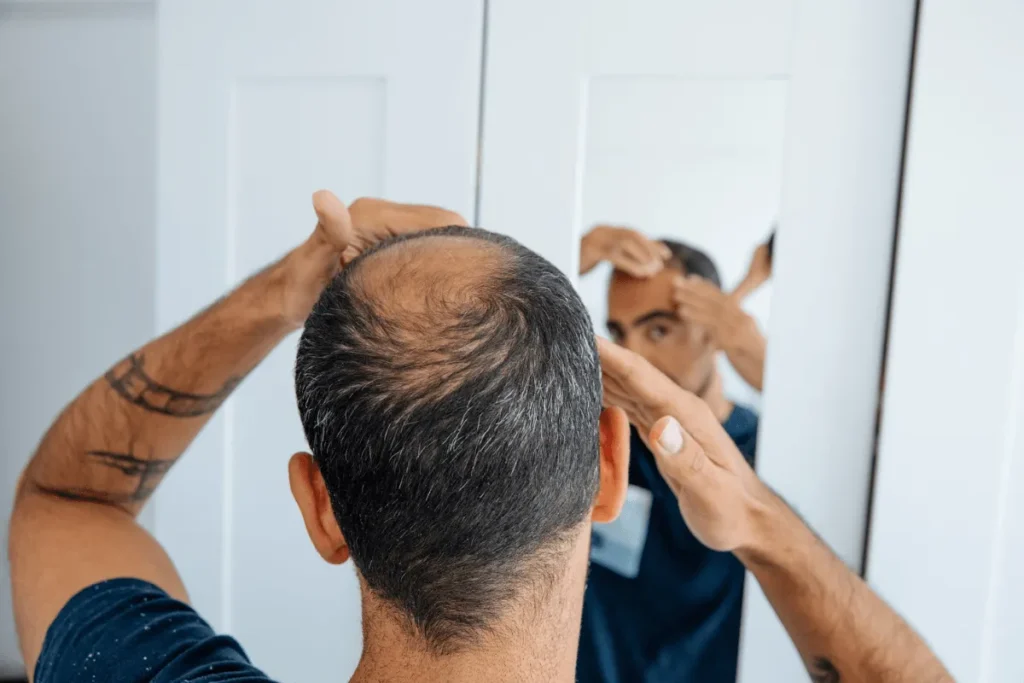
Balding at 26 can be stopped. Explore proven rapid solutions and the best medical treatments to maintain your hair density throughout your 20s.
Discovering hair loss at 26 can feel isolating, but you’re not alone. About 16 to 20 percent of men aged 18 to 29 face moderate to extensive hair loss. This is often due to male pattern baldness.
Trusted medical professionals today know that starting treatment early is key. It gives you the best chance to keep your hair and boost your confidence. Early action can make a big difference, helping you get back a full, healthy head of hair.
Dealing with hair loss at a young age needs a deep understanding of its causes and treatments. By taking proactive steps, you can achieve a radiant, healthy head of hair.
Key Takeaways
Early intervention is key in fighting hair loss.
Male pattern baldness is a common reason for hair loss in young men.
With the right treatment, you can keep your hair and regain confidence.
A complete approach is needed to effectively tackle hair loss.
Proven solutions exist to help you regain a full, healthy head of hair.
Understanding Balding at 26: Facts and Statistics
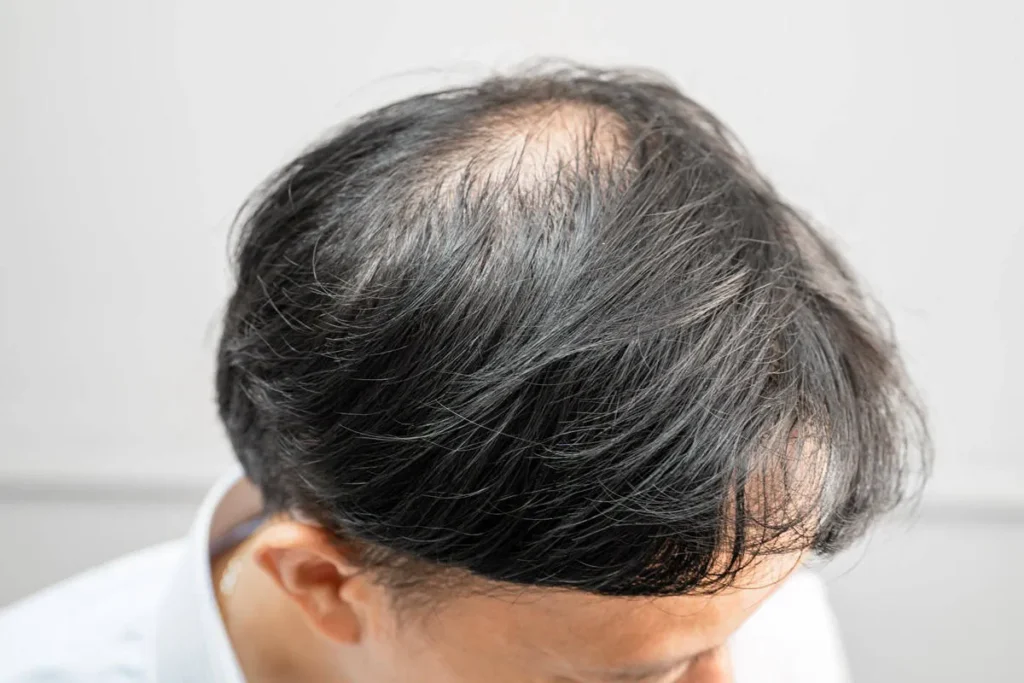
Male pattern baldness at 26 is more common than you think. It’s caused by genetics and hormones. This condition affects not just looks but also confidence and self-esteem of young men.
Prevalence of Early Hair Loss
Early hair loss, or androgenetic alopecia, is a big worry for men in their twenties. By 30, about 30% of men start losing hair. By 80, this number jumps to about 80%.
A study in the Journal of Clinical and Aesthetic Dermatology found that male pattern baldness causes about 95% of hair loss in men. Genetics and the male hormone DHT are the main culprits.
The Role of DHT and Genetics
DHT, a byproduct of testosterone, is key in male pattern baldness. It makes hair follicles shrink, leading to thinner, shorter hairs and eventual loss. Genetics also play a big part, making some men more sensitive to DHT.
Why Early Intervention is Critical
Knowing why balding happens at 26 is key to early treatment. Starting treatment early can slow down or stop hair loss. Proven treatments like finasteride and minoxidil can help fight male pattern baldness.
Early treatment not only fixes hair loss but also boosts confidence and improves life quality.
Medical Treatments to Combat Balding at 26
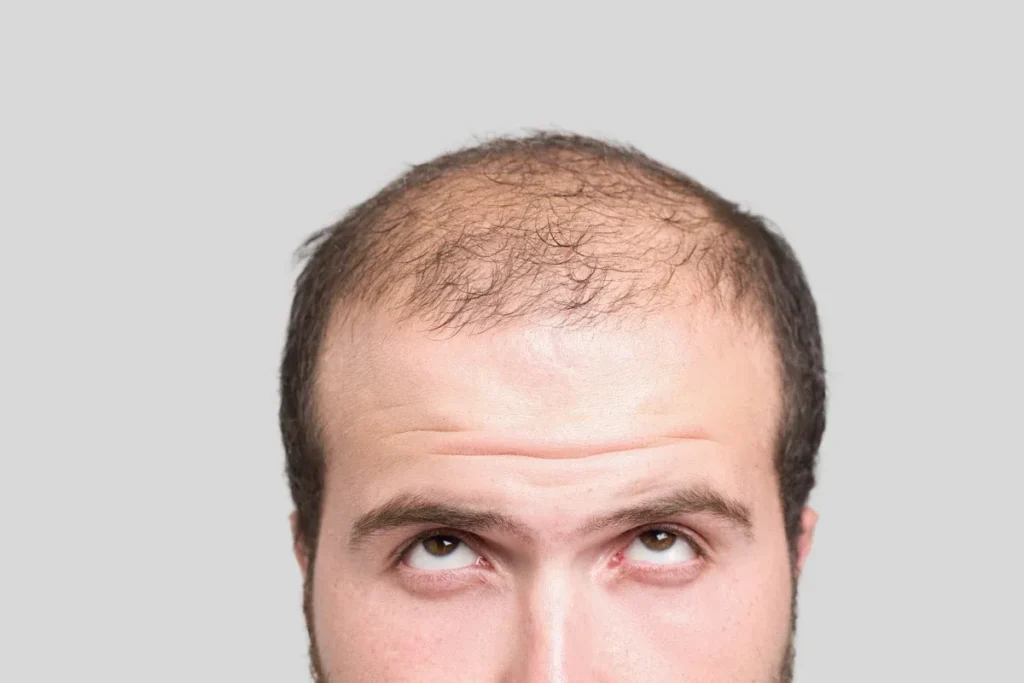
At 26, men facing balding can explore various medical treatments. These treatments are designed to combat hair loss and promote regrowth. Early intervention is key to prevent further hair loss and stimulate regrowth.
Finasteride: Mechanism, Effectiveness, and Side Effects
Finasteride is an oral medication for male pattern baldness. It blocks the hormone DHT, which causes hair loss. Clinical evidence shows it slows hair loss and promotes regrowth.
Key Benefits: Slows down hair loss, promotes regrowth, and is easy to administer.
Potential Side Effects: May include decreased libido, erectile dysfunction, and other sexual side effects.
Topical Solutions: Minoxidil and Prescription Formulas
Minoxidil is a topical treatment for the scalp to stimulate hair growth. It’s available over-the-counter and by prescription. Minoxidil widens the hair follicle and extends the growth phase.
Effectiveness: Clinically proven to stimulate hair regrowth and slow down balding.
Natural and Lifestyle Solutions for Hair Retention
To stop balding at 26, try natural remedies and lifestyle changes. Focus on diet, supplements, and managing stress. This holistic approach helps keep your hair healthy.
Diet Changes That Support Hair Health
Eating a balanced diet is key for hair growth. Foods like protein in salmon and eggs strengthen hair. Iron in spinach helps prevent hair loss.
Eat foods rich in omega-3 fatty acids, like walnuts and flaxseeds, for a healthy scalp.
Include vitamins and minerals, like Vitamin C and E in citrus fruits and almonds.
Drink lots of water to stay hydrated.
Supplements Proven to Help with Hair Loss
Some supplements also support hair health. Biotin and saw palmetto help hair grow and reduce shedding.
Biotin: Makes hair follicles stronger and improves hair structure.
Saw Palmetto: Stops testosterone from turning into DHT, a hormone that causes hair loss.
Vitamin D: Keeps hair follicles healthy.
Stress Management Techniques for Hair Preservation
Stress can lead to hair loss. Managing stress can help prevent this.
Try meditation or yoga to lower stress.
Regular exercise boosts well-being.
Get enough sleep to control stress hormones.
Using these natural and lifestyle tips can help fight balding at 26 and later.
Conclusion
By age 26, many men start to see the first signs of balding. This can really affect how they feel about themselves. But, there’s good news. With the right treatment, you can fight hair loss and even grow new hair.
Early action is very important. Studies show that acting fast in your twenties can help keep your hair thick. For more on how hair loss affects men, check out this article from The Guardian.
There are many effective treatments out there. You can start working towards a fuller head of hair today. Whether you’re seeing signs of balding at 26 or just noticing them, now is the time to act. It’s your chance to reach your hair’s full beauty.
FAQ
What causes balding at 26?
Balding at 26 often comes from genetics and hormonal changes. The hormone testosterone turns into DHT, which shrinks hair follicles. This can cause hair loss.
Can I stop balding at 26 with medical treatments?
Yes, treatments like finasteride and minoxidil can slow down hair loss. They might even help grow new hair in some cases.
Are there any natural remedies that can help with balding at 26?
Yes, natural options like saw palmetto, biotin, and keratin supplements can help. Eating right and managing stress also supports hair health.
How effective is finasteride in treating balding at 26?
Finasteride is very effective against male pattern baldness. Studies show it can slow down hair loss and grow new hair in up to 66% of users.
Can stress cause balding at 26?
Yes, too much stress can lead to hair loss. It raises cortisol levels, which can disrupt hair growth and cause loss.
Are there any lifestyle changes I can make to help prevent balding at 26?
Yes, eating well, reducing stress, and avoiding harsh chemicals can help. These changes support hair health and lower balding risk.
Can balding at 26 be reversed?
Some hair loss can’t be reversed, but early treatment can help. Medical or natural remedies can slow down or reverse hair loss in some cases.
References
National Center for Biotechnology Information. Evidence-Based Medical Insight. Retrieved from https://pubmed.ncbi.nlm.nih.gov/9865198/





