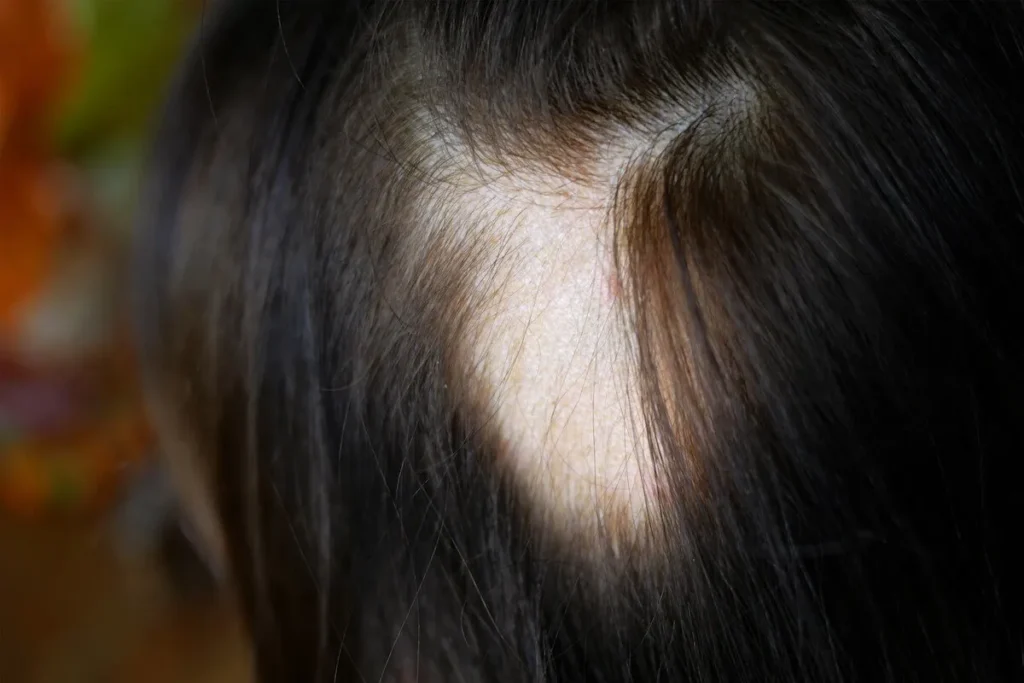
Causes Of Alopecia In Childhood are often misunderstood. Read our top guide for parents to identify symptoms and find safe treatment options.
Discovering your child’s hair loss can be scary. But, it’s good to know that alopecia in childhood is quite common.
Hair loss in kids looks different from adults. There are many causes behind it. Studies show that tinea capitis causes about 40% of hair loss in kids. Alopecia areata and telogen effluvium also play big roles, at 26.2% and 17.6% respectively.
In this article, we’ll look at the seven main causes of alopecia in kids. We aim to give you a full guide to help your child with hair loss.
Key Takeaways
Understanding hair loss in kids is key to managing it well.
Alopecia in childhood can come from infections and autoimmune issues.
Getting the right diagnosis is vital for treating hair loss in kids.
Conditions like tinea capitis and alopecia areata are common in kids.
With the right treatment, most childhood alopecia can be fixed.
Understanding Childhood Hair Loss Patterns
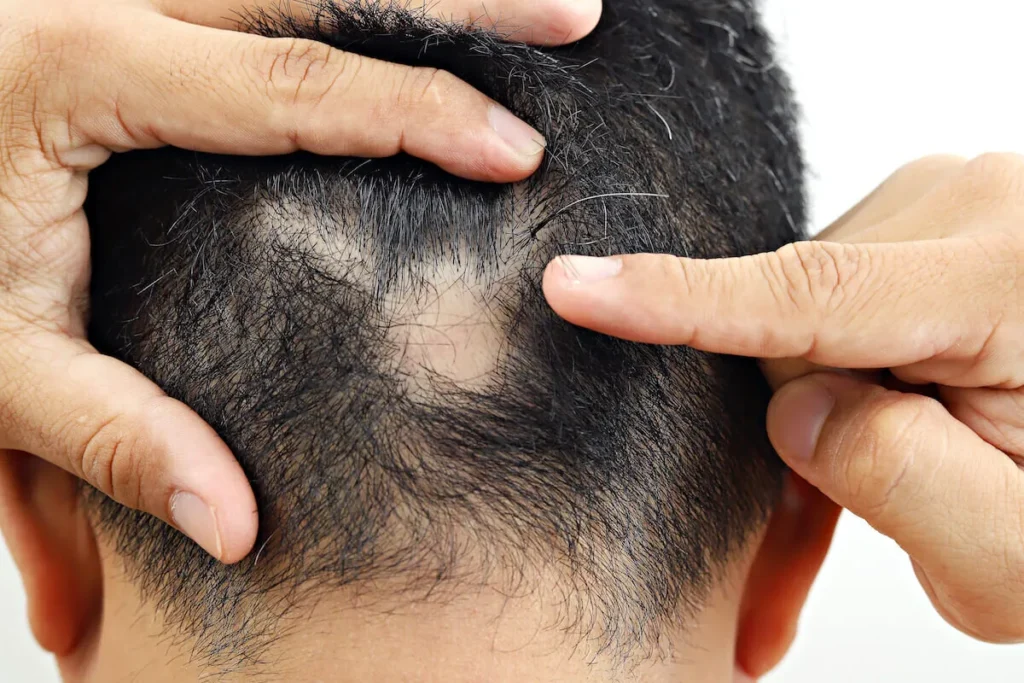
It’s important to know how hair loss shows up in kids. Pediatric alopecia can look different in each child. Knowing the types helps parents find the right treatment.
Prevalence of Pediatric Alopecia
Pediatric alopecia is more common than you might think. It affects kids from toddlers to teens. It can be caused by genes, autoimmune diseases, or the environment.
Alopecia areata is a big reason for hair loss in kids. It’s when the body attacks hair follicles.
Knowing about pediatric alopecia is key. Catching it early helps treat it better. Some common types include:
Alopecia areata: an autoimmune condition causing patchy hair loss
Telogen effluvium: a condition triggered by stress, leading to excessive hair shedding
Tinea capitis: a fungal infection that can cause hair loss
How Children’s Hair Loss Differs from Adults
Kids can lose hair too, but it’s different from adults. Kids’ hair loss can affect their feelings and self-image. It can also lead to social problems.
Children’s hair loss often comes from alopecia areata or tinea capitis. These are different from the hair loss adults get. Knowing this helps kids get the right care.
Some main differences between kids’ and adults’ hair loss are:
Causes: Kids often lose hair because of autoimmune diseases or infections.
Emotional impact: Hair loss can really hurt a kid’s self-esteem and how they interact with others.
Treatment approaches: Kids’ hair loss treatment usually focuses on the cause. Adults might need more treatments for symptoms.
The 7 Common Causes of Alopecia in Childhood
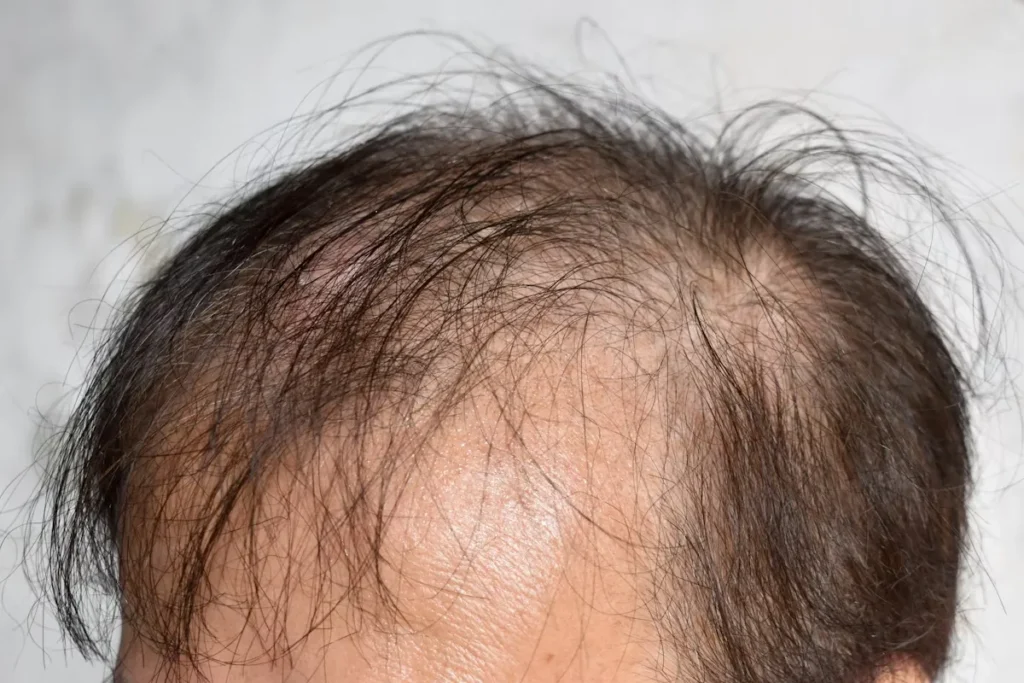
Alopecia in kids can come from many things, like infections or autoimmune diseases. Knowing why it happens helps parents deal with their child’s hair loss better.
Tinea Capitis: The Leading Fungal Cause
Tinea capitis, or ringworm of the scalp, is a common fungal infection in kids. It causes hair loss, redness, and scaling. Quick treatment with antifungal meds is key to avoid lasting harm.
Alopecia Areata: Autoimmune-Related Hair Loss
Alopecia areata happens when the immune system attacks hair follicles. It’s seen in about 1 in 1,000 kids and shows as small, round bald spots. Treatments include corticosteroids and immunotherapy.
Telogen Effluvium: Stress-Triggered Shedding
Telogen effluvium makes kids shed a lot of hair due to stress. This stress can be from being sick, having surgery, or going through a tough time. Usually, hair grows back once the stress is gone.
Traction Alopecia: Damage from Hairstyling
Traction alopecia happens when hair is pulled too tight, like in braids or ponytails. This damages the follicles and can cause hair loss, mainly at the hairline. Changing hairstyles to loosen the pull can help stop more damage.
Other reasons for alopecia in kids include trichotillomania (a condition where kids pull out their hair) and normal neonatal hair loss (newborns losing hair soon after birth). These also play a part in childhood alopecia.
Understanding why a child loses hair is the first step to solving the problem. Seeing a pediatric dermatologist is usually the best move to figure out the cause and how to treat it.
Conclusion: When to Consult a Pediatric Dermatologist
If your child keeps losing hair, it’s time to see a pediatric dermatologist. They can find the cause and create a treatment plan. Most hair loss in kids isn’t serious and can be treated well.
For serious cases like alopecia areata, doctors might use creams, injections, or pills. It’s also important to support your child emotionally. This helps them feel better and more confident.
With a pediatric dermatologist’s help, your child can beat hair loss and look great. They’ll learn to love their hair and feel proud of who they are. With the right care, kids can shine and show off their beauty.
FAQ
What is alopecia in childhood, and how common is it?
Alopecia in children is more common than many think. It shows up differently than in adults. Knowing these differences helps find the cause and treat it right.
What are the primary causes of alopecia in children?
Alopecia in kids can come from genes, autoimmune diseases, or fungal infections like tinea capitis. Stress and hairstyling damage also play a part. Knowing these causes is key to treating it well.
How does tinea capitis cause hair loss in children?
Tinea capitis, a fungal infection, is a big reason for hair loss in kids. It leads to patches of hair loss, scaling, and scalp redness. Antifungal meds can cure it.
What is alopecia areata, and how does it affect children?
Alopecia areata is an autoimmune disease that causes hair loss in kids. It happens when the immune system attacks hair follicles. Treatment varies, and a pediatric dermatologist can help find the best option.
Can stress cause hair loss in children?
Yes, stress can lead to hair loss in kids, known as telogen effluvium. This type of loss is usually temporary and goes away once stress is reduced.
How can hairstyling cause hair loss in children?
Hairstyling, like tight braids or ponytails, can cause traction alopecia. Avoiding these styles or wearing them less can prevent hair loss.
When should I consult a pediatric dermatologist about my child’s hair loss?
If your child’s hair loss doesn’t stop or is severe, see a pediatric dermatologist. They can diagnose and treat it, helping your child feel better.
Can alopecia in childhood be treated effectively?
Yes, many cases of childhood alopecia can be treated. With the right help from doctors and support, kids can overcome alopecia and feel confident again.
What is the role of a pediatric dermatologist in treating childhood alopecia?
A pediatric dermatologist is key in treating childhood alopecia. They find the cause and suggest treatment, helping parents support their child.
References
National Center for Biotechnology Information. Evidence-Based Medical Insight. Retrieved from https://pubmed.ncbi.nlm.nih.gov/20538155/





