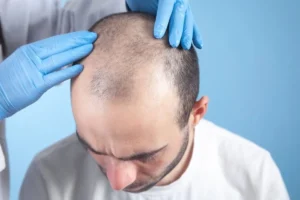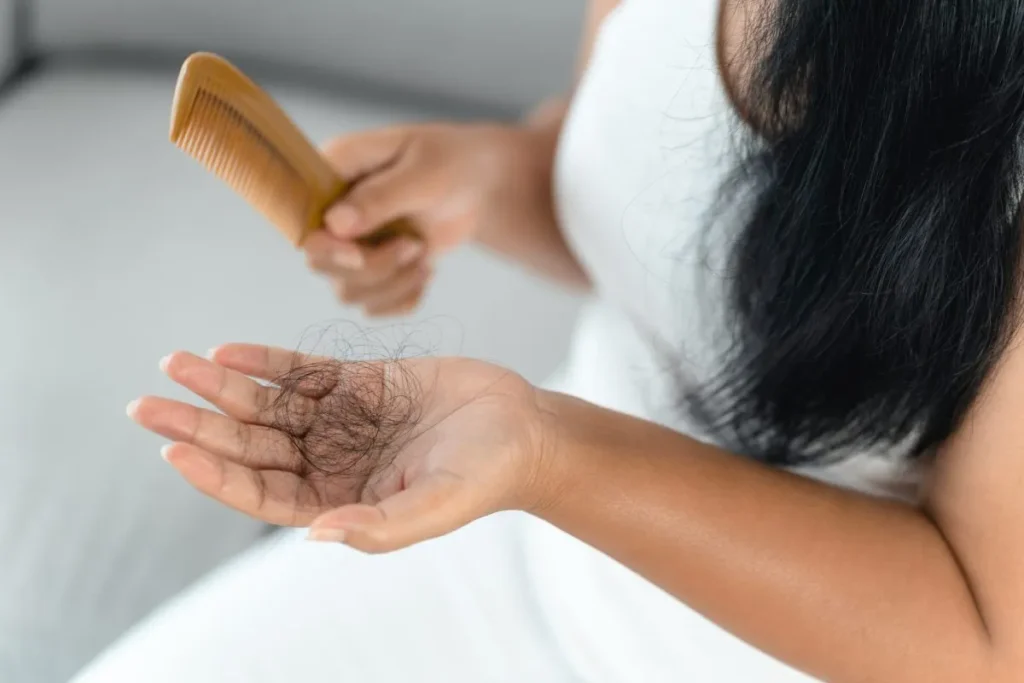
Hair loss is a big problem worldwide, affecting millions. The American Hair Loss Association says 40 percent of those suffering are women. Losing 50 to 150 hairs a day is normal, but too much can be a worry.
Nutrition is very important for healthy hair. Eating foods full of good nutrients can stop hair loss and keep hair healthy. At GoldCity Center, doctors use the latest in dermatology and nutrition to fight hair loss.
A healthy scalp is essential for radiant hair. Eating the right foods can help your hair grow back. For more on foods that help hair, check out this resource.
Key Takeaways
A balanced diet is essential for maintaining healthy hair growth.
Nutritional deficiencies can contribute to hair loss.
Incorporating specific nutrients can help prevent hair loss.
A well-nourished scalp is key to maintaining healthy hair.
Evidence-based nutritional guidance can help address hair loss.
Understanding How Diet and Hair Loss Are Connected
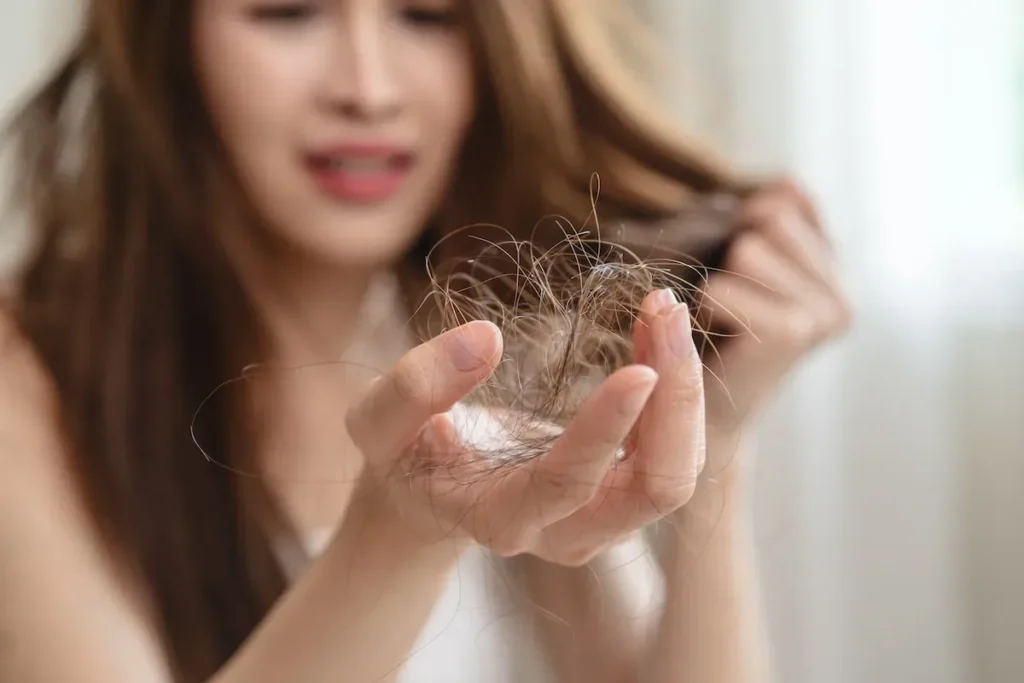
It’s important to know how your diet affects your hair health. Research shows that what you eat greatly impacts your hair’s health and strength.
The Impact of Malnutrition on Hair Structure
Not getting enough nutrients can harm your hair. It can make your hair weak, brittle, and look dull. Protein, vitamins, and minerals are key for healthy hair follicles.
Iron and zinc are important for hair growth. Without them, you might lose more hair than usual.
The hair growth cycle has three phases: anagen, catagen, and telogen. Poor nutrition can upset this balance. This can cause more hair to stop growing, leading to more loss. Eating right is essential for strong, healthy hair.
Research Findings: Nutritional Deficiencies in Hair Loss Patients
Studies with over 61,000 people found links between vitamin D and iron and hair loss. People with certain types of hair loss often lack zinc, selenium, and vitamin E. This shows how important a balanced diet is for preventing hair loss.
Research shows that not getting enough nutrients can lead to hair loss. For example, not enough vitamin D is linked to alopecia. Eating foods rich in vitamins and minerals can help keep your hair healthy and strong.
Essential Nutrients and Dietary Strategies to Prevent Hair Loss

Preventing hair loss starts with knowing the right nutrients and diet. A diet full of essential vitamins and minerals helps keep hair healthy. It also lowers the risk of hair loss.
Critical Vitamins and Minerals for Hair Health
Hair health depends on what you eat. Some vitamins and minerals are key for healthy hair. For example, vitamin C helps make collagen, which strengthens hair follicles. Biotin and vitamin B are also important for making hair cells.
Omega-3 fatty acids, found in salmon, are good for hair. They nourish the scalp and help hair grow. Zinc and iron support hair growth by keeping the scalp and hair follicles healthy.
Effective Diet Plans for Stronger Hair
Eating like you’re on a Mediterranean diet is good for hair. This diet is full of fruits, veggies, and healthy fats. Foods high in antioxidants, like berries, can also help by reducing oxidative stress linked to hair loss.
Eating a variety of nutrient-rich foods is key for hair health. Include leafy greens, nuts, and seeds in your diet. They’re packed with vitamins and minerals that help hair grow.
Foods to Limit or Avoid
Some foods are bad for hair health. Foods high in sugar and unhealthy fats can cause inflammation, leading to hair loss. Try to eat less processed foods and those with lots of saturated fats.
Keeping your diet balanced and watching what you eat can greatly improve your hair health. By eating the right foods and avoiding bad ones, you can prevent hair loss and grow stronger, healthier hair.
Conclusion: Building Sustainable Eating Habits for Long-Term Hair Health
Building sustainable eating habits is key for long-term hair health. A balanced diet full of essential nutrients can stop hair loss and help hair grow. Knowing how diet affects hair loss helps you make better choices for your hair’s health.
A diet without important nutrients can cause hair loss. Eating foods rich in vitamins and minerals helps. Avoiding foods that harm hair also improves hair health. Spotting signs of malnutrition in hair loss is important for fixing it.
Choosing a diet for hair loss with whole foods can give you the hair you want. It will be healthy, strong, and full of life. With the right nutrition, you can unlock your hair’s full beauty and enjoy a radiant look.
FAQ
What is the connection between diet and hair loss?
A diet without key nutrients can cause hair loss. This is because not getting enough nutrients affects hair growth. Eating a balanced diet is key to keeping your hair healthy.
How does malnutrition cause hair loss?
Malnutrition can mess up the hair growth cycle. This leads to more hair falling out and hair becoming thinner. Lack of iron, zinc, and biotin can also make hair fall out.
What are the essential nutrients for hair growth?
For hair to grow well, you need vitamins A, C, and E. Also, minerals like iron, zinc, and biotin are important. Omega-3 fatty acids and protein are also vital for healthy hair.
Can a poor diet lead to hair thinning?
Yes, eating too much processed food, sugar, and unhealthy fats can make your hair thinner. Not getting enough nutrients can also cause hair thinning.
What foods should I limit or avoid to prevent hair loss?
Avoid foods high in sugar, salt, and unhealthy fats. This includes processed meats and fried foods. Cutting down on these can help keep your hair healthy.
How can I promote hair health through my diet?
Eat a balanced diet with lots of fruits, vegetables, whole grains, and lean proteins. Drinking plenty of water and avoiding processed foods also helps hair growth.
Are there any specific diets that can help prevent hair loss?
Yes, eating foods rich in omega-3 fatty acids, antioxidants, and essential vitamins and minerals helps. Foods like salmon, spinach, and almonds are good for hair growth.
Can malnutrition cause hair loss in healthy individuals?
Yes, even if you’re healthy, not getting enough nutrients can cause hair loss. It’s important to make sure you’re getting all the vitamins and minerals you need for healthy hair.