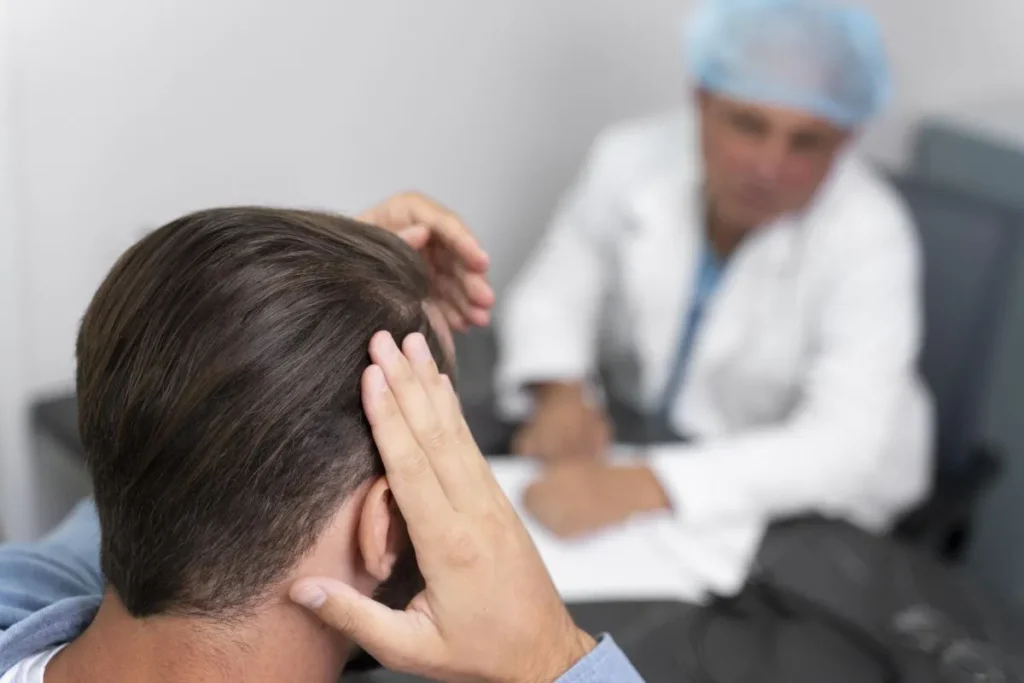
Are you noticing your hair thinning all over your scalp, not just in patches? You might have diffuse hair loss. This common problem affects many men and women around the world.
GoldCity Center offers top-notch dermatology and care that’s all about you. They help you tackle diffuse alopecia with treatments that really work for you.
Learn about diffuse hair thinning and find out how to get your hair back. With the right treatment, you can feel confident about how you look again.
Key Takeaways
Diffuse hair loss is characterized by generalized thinning across the scalp.
It affects both men and women, causing widespread concern.
GoldCity Center offers advanced dermatological care for effective treatment.
Evidence-based solutions are tailored to individual needs.
Understanding the condition is the first step towards restoration.
Understanding Diffuse Hair Loss
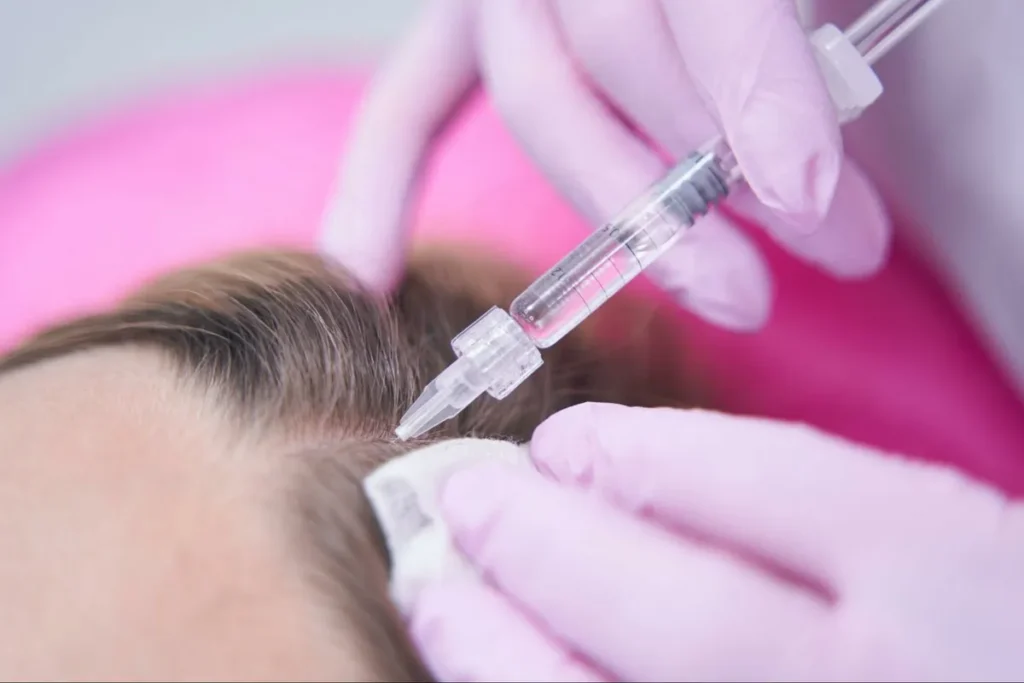
Diffuse hair loss is a widespread thinning of hair. It can be caused by many factors. Knowing about this condition is key to treating it well.
Definition and Characteristics
Diffuse hair loss shows thinning hair all over the scalp, not just in patches. It can happen to anyone, but women are more likely to get it, known as diffuse alopecia in women. The hair gets thinner and shorter over time.
This condition can last a short time or be long-term. Stress, not eating right, and hormonal changes can cause it. Knowing what causes it helps find the right treatment.
Types of Diffuse Alopecia
There are different types of diffuse alopecia. Telogen effluvium happens when stress or not eating well makes hair fall out more. Diffuse pattern alopecia is when hair thins out slowly because of hormones and genes.
Whether is diffuse thinning reversible depends on the cause. If the cause is fixed, like eating better or managing stress, hair can grow back. But, if it’s a long-term problem or hair loss is severe, treatment options might be limited.
Common Causes and Risk Factors of Diffuse Hair Loss
Diffuse hair loss can come from many sources. Each factor plays a part in how the condition develops. Knowing these causes helps in finding the right treatment.
Hormonal Influences
Hormonal changes are a big reason for diffuse hair loss. Changes in estrogen and testosterone levels can make hair thinner. For example, during menopause or pregnancy, women might notice their hair getting thinner because of hormonal changes.
Androgenetic alopecia, a condition linked to hormones, is a common cause of diffuse hair loss.
Thyroid problems, like hypothyroidism or hyperthyroidism, can also cause hair loss because of hormonal imbalances.
Stress and Lifestyle Factors
Stress is a big factor in diffuse hair loss. Long-term stress can cause telogen effluvium. This is when many hair follicles stop growing and rest, leading to a lot of hair falling out.
Poor diet and not getting enough iron, zinc, and biotin can make hair loss worse.
Using too much heat styling, wearing tight hairstyles, and using harsh chemicals can damage hair and make it thinner.
Age-Related Changes
Getting older naturally leads to hair loss. As we age, hair grows slower and becomes thinner and shorter.
Older age can make hair less dense because hair grows slower.
Hormonal changes with age can also affect hair thickness and density.
Gender Differences in Hair Thinning
Both men and women can experience diffuse hair loss, but it affects them differently. Men often lose hair in a specific pattern, known as male pattern baldness. Women tend to lose hair more evenly across the scalp.
Hormones play a big role in both men and women, but androgens have a bigger effect on men.
Women are more likely to experience diffuse hair loss due to hormonal, genetic, and lifestyle factors.
Knowing these factors is key to treating diffuse hair loss well. By figuring out the causes, people can find the right treatments and make lifestyle changes to help.
Effective Treatment Options for Diffuse Hair Thinning
We’re here to help you understand the best ways to treat diffuse hair loss. This condition can be tough, but with the right treatment, you can see big improvements.
Medical Treatments and Medications
Medical treatments are often the first step against diffuse hair loss. Minoxidil and finasteride are two common medicines. Minoxidil is applied to the scalp to boost hair growth and slow loss. Finasteride is taken by mouth to block a hormone that causes hair thinning.
For more details on diffuse hair thinning, its signs, symptoms, and treatments, check out Wimpole Clinic’s blog.
Natural Remedies and Supplements
Natural remedies and supplements can also help with diffuse hair loss. Biotin, vitamin D, and saw palmetto are known to support hair health. Making lifestyle changes, like reducing stress and eating well, can also help your hair.
When to See a Doctor
If you notice a lot of hair thinning or loss, see a doctor. They can find out why you’re losing hair and suggest the best treatment. Starting treatment early can greatly improve your results.
Conclusion
Understanding diffuse hair loss is key to tackling this common issue. Knowing its causes and treatments helps people manage their hair health. This way, they can work towards growing their hair back.
Diffuse hair loss can come from hormones, stress, and lifestyle choices. Age and gender also affect it. Luckily, there are many ways to treat it, like medical options, natural remedies, and supplements.
By taking a holistic approach to hair care and getting professional help when needed, people can beat diffuse hair loss. This journey is not just about looks. It’s about feeling confident and embracing one’s natural beauty.
The secret to successfully overcoming diffuse hair loss is the right treatment, patience, and a focus on overall health. With the right strategy, people can make their hair shine and look healthy.
FAQ
What is diffuse hair loss?
Diffuse hair loss, also known as diffuse alopecia, is when hair thins out all over the scalp. It doesn’t happen in one spot.
What are the main causes of diffuse hair loss?
Hormones, stress, lifestyle, age, and genes can cause diffuse hair loss.
Is diffuse hair loss reversible?
Yes, some cases of diffuse hair loss can be reversed. For example, stress or hormonal changes can be treated.
What are the treatment options for diffuse hair loss?
Treatments include medicines like minoxidil and finasteride. Natural remedies like biotin and saw palmetto also help. Supplements like vitamin B and keratin are options too.
How does stress contribute to diffuse hair loss?
Stress raises cortisol levels. This can mess up the hair growth cycle and cause more hair to fall out.
Can diffuse hair loss be a sign of an underlying medical condition?
Yes, it can be a sign of conditions like thyroid disease, autoimmune disorders, or skin issues like psoriasis or eczema.
How does age affect diffuse hair loss?
As we get older, hair grows slower and becomes thinner and shorter.
Are there any differences in diffuse hair loss between men and women?
Yes, men and women experience it differently. Women often lose hair due to hormonal changes. Men tend to lose hair in a pattern.
Can diffuse hair thinning be treated with natural remedies?
Yes, biotin, saw palmetto, and keratin can help grow hair and reduce thinning.
When should I see a doctor for diffuse hair loss?
See a doctor if you lose a lot of hair suddenly or if treatments don’t work.
References
https://nymag.com/strategist/article/how-to-treat-glp-1-related-hair-loss.html





