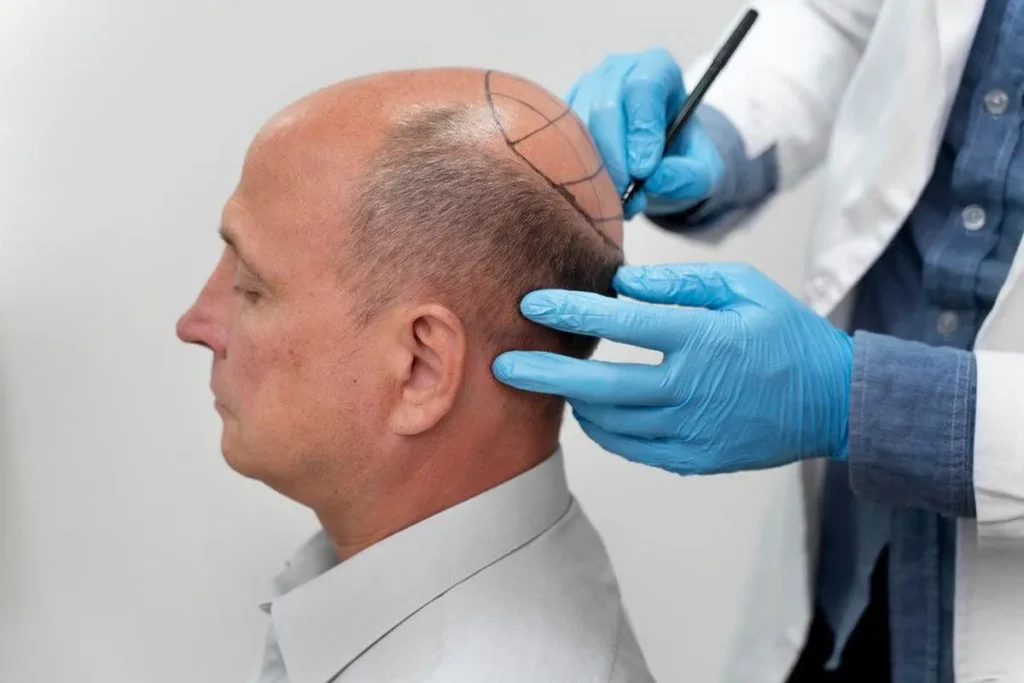
Millions suffer from uniform hair loss across the scalp, known as diffuse thinning. This condition causes hair to shed and shrink all over the scalp, not just in certain spots.
A hair transplant is a lasting fix for those who qualify. Done right by a skilled surgeon, it’s safe and can greatly cover up the scalp. Pairing it with medical treatments can lead to amazing changes.
Getting a full head of hair starts with a detailed check-up by a specialized team. They follow international standards and focus on you, guiding you every step of the way.
Key Takeaways
Diffuse thinning is a condition characterized by uniform hair loss across the scalp.
Hair transplants offer a permanent solution for qualified candidates.
Combining hair transplants with medical treatments can enhance results.
A thorough evaluation is key before getting a hair transplant.
Specialized medical teams provide patient-centered care and guidance.
Understanding Diffuse Thinning and Its Causes

Diffuse thinning makes hair look thinner and less vibrant. It’s different from hair loss in one spot. It affects the whole scalp, making hair look less dense.
What Is Diffuse Thinning?
Diffuse thinning means hair density drops evenly over the scalp. It can happen slowly or fast, due to stress, illness, or hormonal changes. Doctors call it diffuse patterned alopecia if it’s mostly genetic.
Common Causes of Diffuse Hair Loss
Many things can cause hair loss all over. Genetics, hormonal imbalances, stress, some medicines, and not eating right are common reasons. Knowing what causes it helps find the right treatment.
Genetics: Inherited traits can significantly influence hair loss patterns.
Hormonal Imbalances: Changes in hormone levels, like androgens, can affect hair density.
Stress: Physical or emotional stress can trigger hair loss.
Medications: Some drugs can cause hair to thin as a side effect.
Nutritional Deficiencies: Not getting enough iron, zinc, or biotin can harm hair health.
Diffuse Thinning vs. Male Pattern Baldness
Diffuse thinning is different from male pattern baldness. Male pattern baldness starts with a receding hairline and thinning crown. Diffuse thinning makes hair thinner all over. For more on treating diffuse thinning, check MCAN Health’s blog.
Types of Diffuse Thinning and Candidacy Assessment
Diffuse thinning is complex and needs a detailed check to find the right hair restoration plan. Modern studies split it into two main types: Diffuse Patterned Alopecia (DPA) and Diffuse Unpatterned Alopecia (DUPA). Each type has its own traits and treatment needs.
Diffuse Patterned Alopecia (DPA)
DPA shows thinning all over the scalp, often with a pattern. It’s hard to treat because it spreads widely. Understanding its causes and checking the donor area’s health is key.
Diffuse Unpatterned Alopecia (DUPA)
DUPA is harder to tackle, with hair loss without a pattern. It’s tricky for surgery because it’s unpredictable and can keep getting worse. Its emotional impact is big, so a full check is vital for the right treatment.
Learn more about hair transplants for diffuse thinning at our guide on diffuse thinning hair transplant.
Determining If You’re a Good Candidate
Checking if you’re a good candidate for a hair transplant needs a close look at several things. These include how much hair you’ve lost, the health of the donor area, and your overall health. It’s key to make sure the donor area stays strong for the transplant to work well.
Knowing the type of diffuse thinning and checking if you’re a good candidate helps make informed choices. It’s important to talk to a professional to find the best treatment for you.
Diffuse Thinning Hair Transplant Options and Techniques
Modern hair transplants can treat diffuse thinning well. Techniques like Follicular Unit Extraction (FUE) and Direct Hair Implantation (DHI) have changed hair restoration. They offer hope to those with diffuse hair loss.
Follicular Unit Extraction for Diffuse Thinning
FUE is a popular hair transplant method. It doesn’t leave scars and heals quickly. This technique uses a special tool to remove hair follicles from the donor area.
It’s great for those with diffuse thinning. The surgeon can pick healthy follicles and move them to thin areas. This makes hair look denser and more natural.
Direct Hair Implantation Technique
DHI is another advanced hair transplant method. It uses a Choi implanter pen to directly place hair follicles in the thinning area. This is done without making incisions first.
DHI has many benefits. It reduces graft damage and improves survival rates. It also allows for precise control over the hair’s direction and angle, making it look more natural.
Graft Requirements and Donor Area Considerations
When thinking about a hair transplant, knowing about grafts and donor areas is key. The number of grafts needed depends on hair loss extent, desired density, and donor hair availability.
A hair restoration specialist must assess these factors. They consider hair texture, color, and health to plan the best treatment. This ensures the best results.
Choosing the right technique and understanding graft needs can help those with diffuse thinning. They can get a fuller, more confident head of hair.
Conclusion: Making the Right Decision for Your Hair Restoration Journey
Starting a hair restoration journey can change your life, if you’re dealing with thinning hair. It’s not just about finding a good surgeon. You need someone who really gets your hair loss issues and knows how to fix them.
Choosing the right clinic for a hair transplant is key. Look for one that’s honest about what the procedure can and can’t do. A good clinic will tell you if surgery isn’t right for you. This way, you won’t have unrealistic hopes.
Getting a natural-looking hair transplant is the dream. This can happen with modern techniques like FUE or DHI. These methods, combined with knowing your hair loss pattern, can give you a fuller, brighter head of hair. You’ll feel more confident in how you look.
Your hair restoration journey is all about you. The right clinic will help you every step of the way. With a skilled surgeon and a caring clinic, you’ll have a journey that truly meets your needs and dreams.
FAQ
What is diffuse thinning, and how does it differ from male pattern baldness?
Diffuse thinning means hair thinning all over the scalp. Male pattern baldness follows a specific pattern. Knowing the difference helps find the best treatment.
Is diffuse thinning reversible?
Some diffuse thinning can be reversed with medical treatment. Others might need hair transplants. It depends on the cause and how much hair is lost.
Can finasteride help with diffuse thinning?
Finasteride can slow hair loss and grow new hair for some with diffuse thinning. But, it works differently for everyone. Always talk to a doctor about using finasteride.
What are the benefits of a hair transplant for diffuse thinning?
Hair transplants can give a permanent fix for diffuse thinning. They move healthy hair to thin spots. This makes hair look fuller and more natural.
How do I determine if I’m a good candidate for a hair transplant for diffuse thinning?
A doctor needs to check your hair loss, health, and hair availability. They can tell if a transplant is right for you.
What is the difference between FUE and DHI hair transplant techniques?
FUE and DHI are advanced hair transplant methods. FUE takes out single follicles. DHI implants them directly. Your needs and the surgeon’s advice decide which one is best.
How many grafts are required for a hair transplant for diffuse thinning?
The grafts needed vary based on hair loss, donor area density, and desired look. A skilled surgeon can give a precise estimate.
Can I achieve natural-looking results with a hair transplant for diffuse thinning?
Yes, with a skilled surgeon and the right method, natural results are possible. The goal is to blend the new hair with your existing hair.
What are the possible risks and complications with hair transplants for diffuse thinning?
Hair transplants can have risks like infection, scarring, and graft failure. But, these can be lowered by choosing a good surgeon and following care instructions.
How do I care for my transplanted hair after a hair transplant for diffuse thinning?
After a transplant, gentle hair care is key. Use mild shampoos, avoid harsh chemicals, and protect your scalp from too much sun.
References
https://nymag.com/strategist/article/how-to-treat-glp-1-related-hair-loss.html

