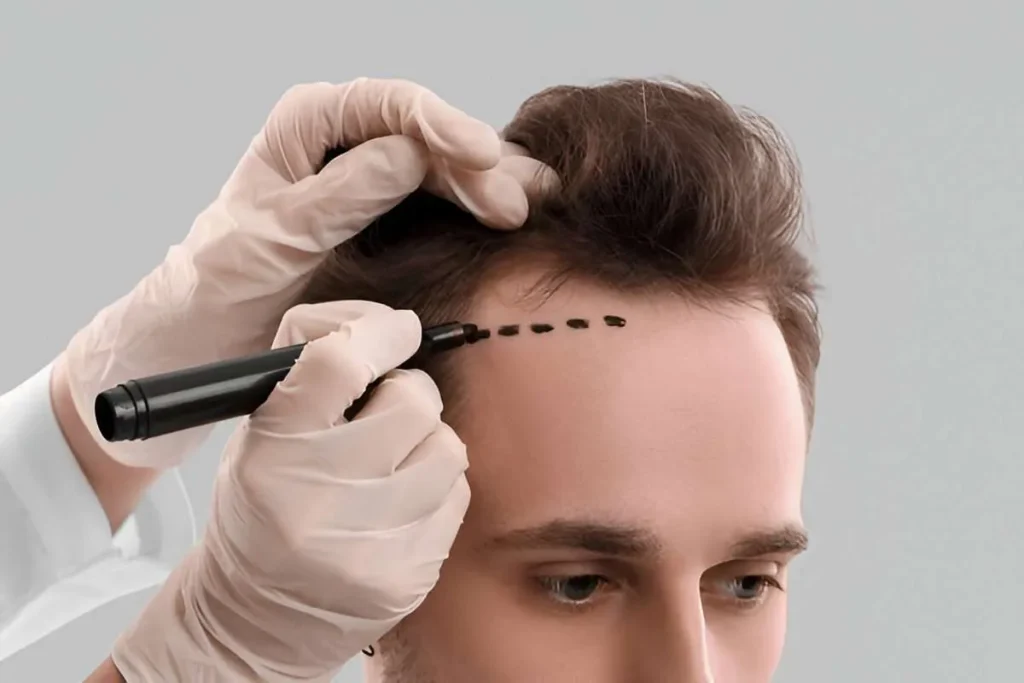
Getting a hair transplant surgery is a big step towards having more hair. But, the journey doesn’t stop after the surgery. Many wonder if they need medication after hair transplant for a smooth recovery. The answer is yes, but it depends on understanding the importance of post-operative care. Do You Have To Take Medication After Hair Transplant? Get the vital safety info on Finasteride and Minoxidil to protect your new grafts.
Most doctors suggest a specific set of medicines in the first 1-2 weeks after hair transplant surgery. These medicines help with healing, prevent problems, and keep the grafts alive. They include antibiotics, painkillers, and sometimes minoxidil or finasteride to help with recovery and hair growth.
For advice on what medicines to take after a hair transplant, talk to a doctor. Your health can affect what medicines are best for you. As KSL Clinic says, the right medicine can make a big difference in how well the transplant works.
Key Takeaways
Post-operative medication is typically recommended after hair transplant surgery.
Medications such as antibiotics and painkillers are commonly prescribed to prevent infection and manage pain.
Minoxidil and finasteride may be used to support recovery and promote hair growth.
Personalized advice from a healthcare professional is key for choosing the right medicines.
Alternative therapies may be considered for patients who cannot take certain medicines.
The First Two Weeks: Critical Medication Period
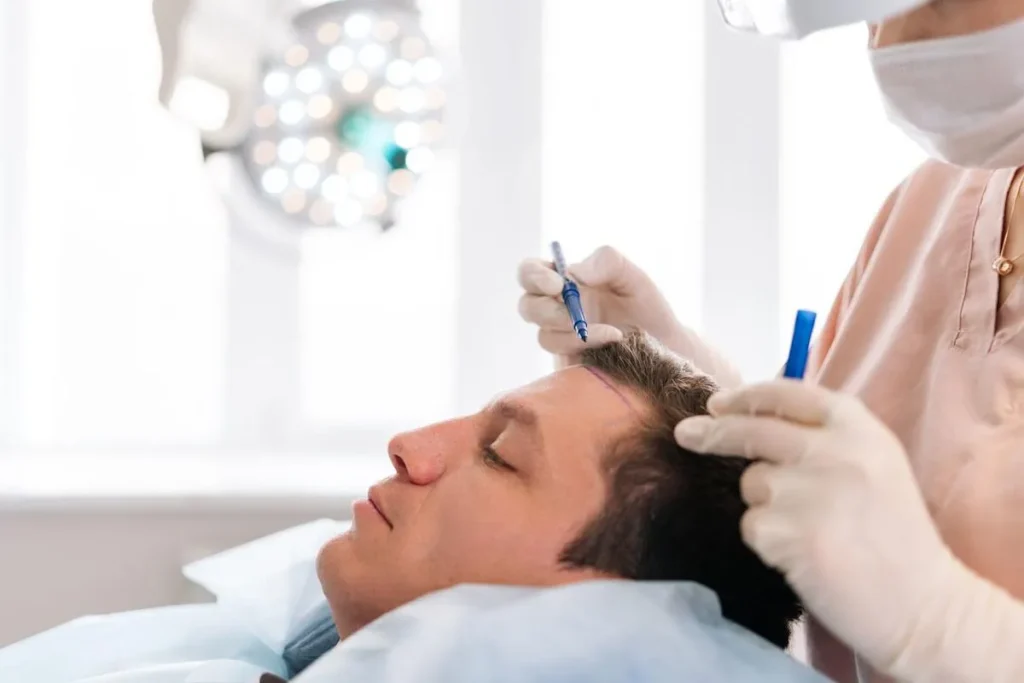
Recovery from hair transplant surgery is key in the first two weeks. Medication is vital for a smooth healing process.
Why Medications Are Recommended After Surgery
After a hair transplant, the body needs help to heal. Medications prevent infection, manage pain, and reduce swelling. These are key for a successful transplant.
Antibiotics are given for 3-7 days to stop bacterial infections. This is important to avoid complications and ensure the transplant’s success.
The Typical Post-Operative Medication Timeline
Knowing the post-operative medication timeline is important. It helps patients follow their treatment plan and recover well. Here’s a typical schedule:
Following the medication plan can greatly reduce complications. It’s important to work with your surgeon to meet your specific needs. This ensures the best results from your hair transplant.
Do You Have to Take Medication After Hair Transplant?
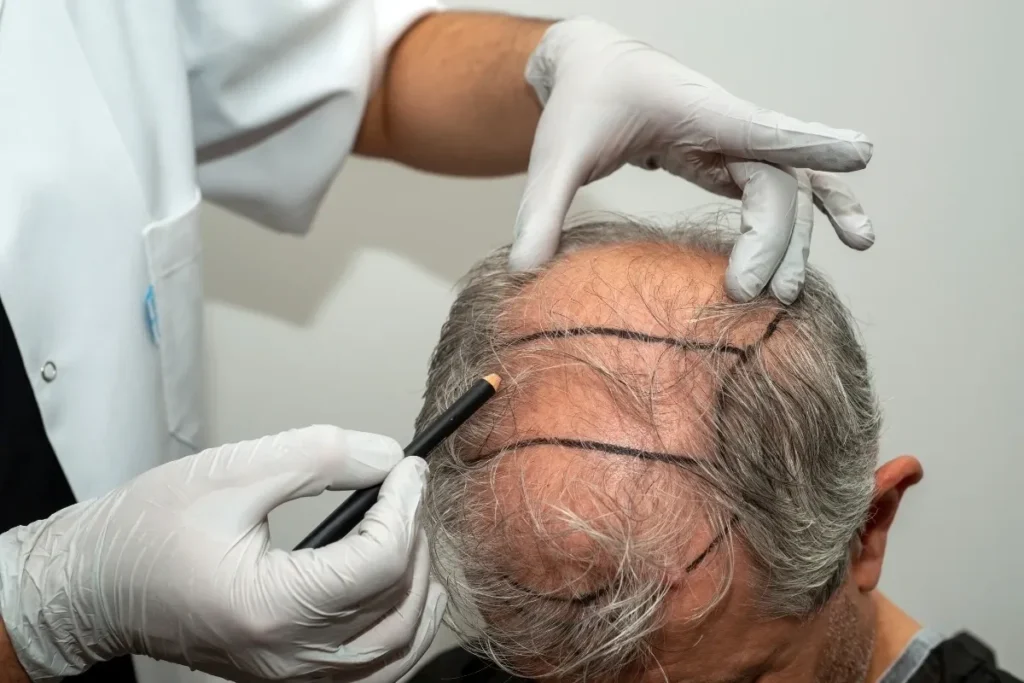
Do you really need to take medication after a hair transplant? After surgery, doctors often give patients a list of medicines to help them heal. Knowing why these medicines are important helps you make smart choices about your care.
Necessity vs. Recommendation: Understanding Your Options
While taking medicine after a hair transplant isn’t required, doctors usually suggest it. They want you to recover well and quickly. The medicines help prevent infections, manage pain, and reduce swelling.
It’s your choice whether to take the medicine. But, think about the good it can do and the risks of not taking it.
Potential Consequences of Skipping Prescribed Medications
Not taking your medicine can cause problems. Not taking antibiotics can lead to infections. Not controlling pain and swelling can make your recovery harder.
Understanding your medicines and their effects helps you choose wisely. Always listen to your surgeon for the best results.
Essential Medications Following Hair Transplantation
A good medication plan is key for patients after hair transplant surgery. It helps them heal well and avoid complications. This ensures a smooth recovery.
Antibiotics: Reducing Infection Risk
Antibiotics are vital for post-hair transplant care. They lower the risk of infection in both donor and recipient areas. This helps the transplanted hair follicles to grow and thrive. Antibiotics are usually taken for a short time after surgery.
Pain Management: What to Expect
Pain management is a big part of recovery. Patients get pain relief meds like paracetamol or acetaminophen. These help with discomfort in the first few days.
The pain is usually worst in the first 3 days. After that, it starts to lessen as the body heals.
Anti-Inflammatory Medications for Controlling Swelling
Swelling is common after a hair transplant, mainly in the forehead and eye areas. Anti-inflammatory meds help control this swelling. They make recovery more comfortable for the patient.
These meds reduce the body’s inflammatory response to the surgery.
Finasteride and Minoxidil: Long-Term Maintenance Solutions
For lasting success, patients may use finasteride and minoxidil. Finasteride slows down hair loss by blocking DHT, a hormone that causes it. Minoxidil stimulates hair growth and extends the hair growth phase.
Together, these meds keep the transplanted hair healthy and dense. This ensures the hair transplant results last over time.
Understanding these medications helps patients navigate their recovery. It leads to the best outcome from their hair transplant surgery.
Conclusion: Making Informed Decisions About Post-Transplant Medications
Your journey to a new look begins with a successful hair transplant. It’s key to understand the role of post-operative meds for the best results. By sticking to your medication plan, you can avoid problems and heal quickly.
Keeping your hair healthy after a transplant is vital. Knowing what to expect during recovery is important. It usually takes a few weeks for the new hair to settle and start growing.
It’s important to take all meds as directed, including antibiotics and pain relievers. Long-term treatments like finasteride and minoxidil can also help your hair grow strong. With the right meds, you can reveal your natural beauty.
Understanding post-transplant meds helps you make smart choices for your hair. By using the right meds and taking good care of your hair, you can achieve a glowing look that lasts.
FAQ
Do I have to take medication after hair transplant surgery?
Taking medication after hair transplant surgery is not required but highly recommended. Surgeons give a range of meds to help with pain, prevent infection, and aid in healing. This includes antibiotics, pain relievers, and anti-inflammatory drugs.
What types of medications are commonly prescribed after hair transplant surgery?
Patients usually get antibiotics to prevent infection and pain meds to manage discomfort. They also get anti-inflammatory drugs to reduce swelling. Plus, they might be given finasteride and minoxidil to help hair grow and prevent loss.
How long do I need to take medication after hair transplant surgery?
The time needed for medication varies. Antibiotics and pain meds are usually needed for a week or two. Anti-inflammatory meds might be shorter. Finasteride and minoxidil could be needed for months or years.
What are the possible consequences of skipping prescribed medications after hair transplant surgery?
Skipping meds can cause infections, more pain, and poor healing. This can harm the surgery’s results, leading to needing more treatment.
Can I stop taking medication after hair transplant surgery if I feel fine?
No, it’s important to finish all prescribed meds, even if you feel okay. Stopping early can cause problems and affect the surgery’s success.
How do I manage pain after hair transplant surgery?
Pain meds are given to manage discomfort. You might feel pain and discomfort at first, but the meds can help manage it.
What is the role of antibiotics in hair transplant surgery?
Antibiotics prevent infection, lowering the risk from 2.5% to 0.5%. They are key to a smooth recovery and good results.
How long does it take for the scalp to heal after hair transplant surgery?
The scalp heals in about 7-10 days, but full recovery takes weeks to months. Following the post-op care routine is important for healing and avoiding complications.
What is the importance of finasteride and minoxidil after hair transplant surgery?
Finasteride and minoxidil help hair grow and prevent loss after surgery. They keep the surgery’s results and promote a healthy scalp.
Can I resume my normal activities after hair transplant surgery?
You can usually go back to normal activities in a few days to a week. But, it’s important to follow the post-op care and avoid hard activities for weeks to heal well.
References
National Center for Biotechnology Information. Evidence-Based Medical Insight. Retrieved from https://www.ncbi.nlm.nih.gov/pmc/articles/PMC11401157/





