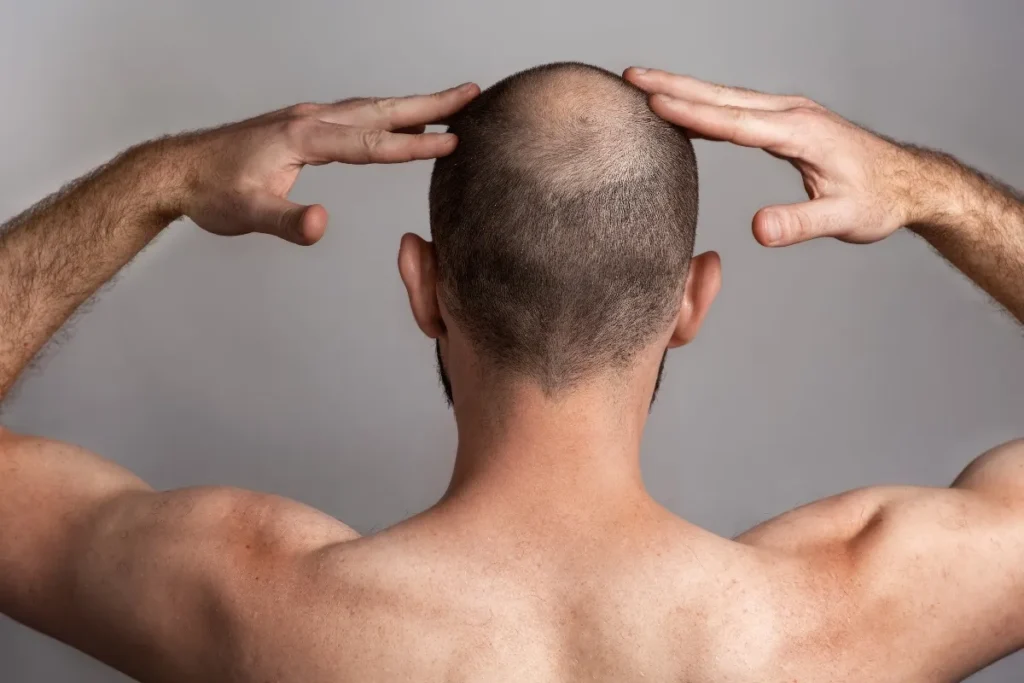
Alopecia areata is a chronic autoimmune condition that affects hair follicles, leading to unpredictable hair loss. It is marked by small, round patches of baldness. It can happen at any age and can affect not just the scalp, but also eyebrows and eyelashes. Does Alopecia Areata Go Away? Use our fast tips and medical advice to speed up recovery from patchy hair loss and see amazing growth now.
Understanding alopecia areata is key to managing it. While about 30 to 50 percent of patients see spontaneous remission in the first 6 to 12 months, many need treatment due to its unpredictable nature.
Thanks to new medical treatments, like JAK inhibitors, there’s hope for hair regrowth and managing the disease. GoldCity Center is dedicated to providing the latest in dermatology care, giving patients the best chance at recovery.
Key Takeaways
Alopecia areata is a chronic autoimmune condition causing unpredictable hair loss.
Spontaneous remission occurs in 30 to 50 percent of patients within the first 6 to 12 months.
Modern treatments, including JAK inhibitors, offer new hope for hair regrowth.
GoldCity Center provides world-class, evidence-based dermatological care.
Understanding the condition is key to managing its impact.
Understanding Alopecia Areata: Causes and Types

Alopecia areata is a condition that causes hair loss. It affects millions of people worldwide. People are searching for answers and treatments.
What Is Alopecia Areata?
Alopecia areata is an autoimmune condition. It happens when the immune system attacks hair follicles. This leads to hair loss.
The exact cause is not known. But, it’s thought to be linked to genetics, environment, and the immune system. Stress, nutritional deficiencies, and genetics can make it worse.
Types of Alopecia Areata
Alopecia areata comes in different forms. Here are a few:
Patchy Alopecia Areata: This is the most common. It shows as patches of hair loss.
Alopecia Totalis: This means all hair on the scalp is lost.
Alopecia Universalis: The worst form. It causes hair loss all over the body.
The Autoimmune Connection
The autoimmune part of alopecia areata is key. The immune system attacks hair follicles. This stops hair from growing normally.
Research is ongoing to find new treatments. The goal is to stop the immune system from attacking hair follicles.
Knowing about alopecia areata’s causes, types, and autoimmune link helps. It lets people understand their condition better. They can then look into treatment options and find ways to manage their alopecia areata.
Does Alopecia Areata Go Away? Remission Patterns Explained
[Add image here]
It’s important to know if alopecia areata can go away. This condition causes hair loss and its patterns can differ for everyone.
Spontaneous Remission Rates
About 30 to 50 percent of people with patchy alopecia areata see their hair grow back on its own. This happens within the first 6 to 12 months. But, the chance of this happening can change based on how severe the condition is.
Those with less hair loss tend to have a better chance of recovery. This is compared to those with more hair loss or other forms of alopecia.
Factors Affecting Recovery
Several things can affect how well someone recovers from alopecia areata. These include:
Age of onset: People who get alopecia areata when they’re younger might have a different outcome than those who get it later.
Extent of hair loss: The more hair you lose, the less likely you are to see it grow back on its own.
Presence of other autoimmune conditions: If you have other autoimmune diseases, your alopecia areata might not follow the same path.
Family history: If your family has a history of alopecia areata, it could affect your chances of recovery.
The Relapsing-Remitting Nature
Alopecia areata often goes through cycles of hair loss and regrowth. This pattern is important to understand for managing the condition and making treatment choices.
Knowing about remission patterns and what affects recovery can help people with alopecia areata. It lets them make better choices about how to handle their condition.
Treatment Options for Alopecia Areata
The treatment for alopecia areata is getting better, with new and old treatments giving hope. People with this condition have many choices, each one fitting their needs and how bad their alopecia areata is.
First-Line Treatments
Many start with corticosteroids, which can be applied on the skin or injected. These medicines cut down inflammation and help hair grow back. Learn more about alopecia areata treatment.
Minoxidil is another common first treatment. It’s a topical solution that makes hair grow. It’s often paired with corticosteroids to work better.
Advanced Treatment Approaches
For those who don’t get better with first treatments, there are more options. JAK inhibitors, like baricitinib and ritlecitinib, are showing great promise. They help hair grow by targeting the immune system’s part in alopecia areata.
These medicines block certain enzymes that play a part in the autoimmune response. This helps reduce the condition’s effect on hair follicles.
Emerging Therapies and Research
The field of alopecia areata treatment is always changing, with new research and therapies coming up. New treatments aim to help patients more and give more choices for those looking for different options.
Some exciting research is on new JAK inhibitors and other targeted therapies. These aim to tackle the root causes of alopecia areata.
By keeping up with the latest treatments and research, people with alopecia areata can make better choices. They can work with their doctors to find the best treatment plan.
Conclusion: Living with Alopecia Areata
Living with alopecia areata can be tough, but you can manage it. Knowing the causes, types, and treatments is key. This knowledge helps you handle your condition better.
There are support groups and resources for those with alopecia areata. They offer a sense of community and help. These resources can improve your life quality. Even though curing alopecia areata is complex, treatments can help grow hair and lessen symptoms.
Managing alopecia areata well can boost your confidence and beauty. The right mindset and support are essential. Looking into support options is a big step towards thriving with alopecia areata.
FAQ
Can alopecia areata be cured?
There’s no sure cure for alopecia areata. But, different treatments can help manage it and encourage hair to grow back. With the right treatment, people can see a lot of hair growth and better results.
Does alopecia areata go away on its own?
Sometimes, alopecia areata can clear up by itself. But, how often this happens varies a lot. It’s also possible for hair loss to come back.
What are the treatment options for alopecia areata?
Treatments for alopecia areata include first-line options like corticosteroids and minoxidil. There are also advanced treatments like immunotherapy and new therapies like JAK inhibitors. The best treatment plan is one that fits the person’s specific needs and how severe their condition is.
Can alopecia areata be treated?
Yes, alopecia areata can be treated. Knowing about the condition and its treatments helps people manage their hair loss and feel better overall.
Is there a cure for alopecia hair loss?
There’s no single cure for alopecia hair loss. But, there are treatments that can help manage it and encourage hair growth. Scientists are always working on new and better treatments.
How can you treat alopecia areata?
Treating alopecia areata usually involves a mix of medical treatments, lifestyle changes, and ways to handle stress. Working with a healthcare professional helps create a treatment plan that meets the person’s needs and aims for the best results.
Will alopecia areata go away?
The outcome of alopecia areata can vary. Some people might see their hair grow back on its own, while others need ongoing treatment. Understanding how the condition can change and the treatment options helps people manage their expectations and make informed choices about their care.
Is alopecia curable?
Alopecia areata is a chronic condition. It’s not curable in the usual sense. But, there are treatments that can help manage it and encourage hair growth. Scientists are constantly looking for new and better ways to treat it.
What to do for alopecia?
People with alopecia areata can take several steps to manage it. They can seek medical treatment, make lifestyle changes, and practice stress management. Taking a holistic approach to care can help promote hair growth and improve overall well-being.
References
National Center for Biotechnology Information. Evidence-Based Medical Insight. Retrieved from https://pubmed.ncbi.nlm.nih.gov/20629762/

