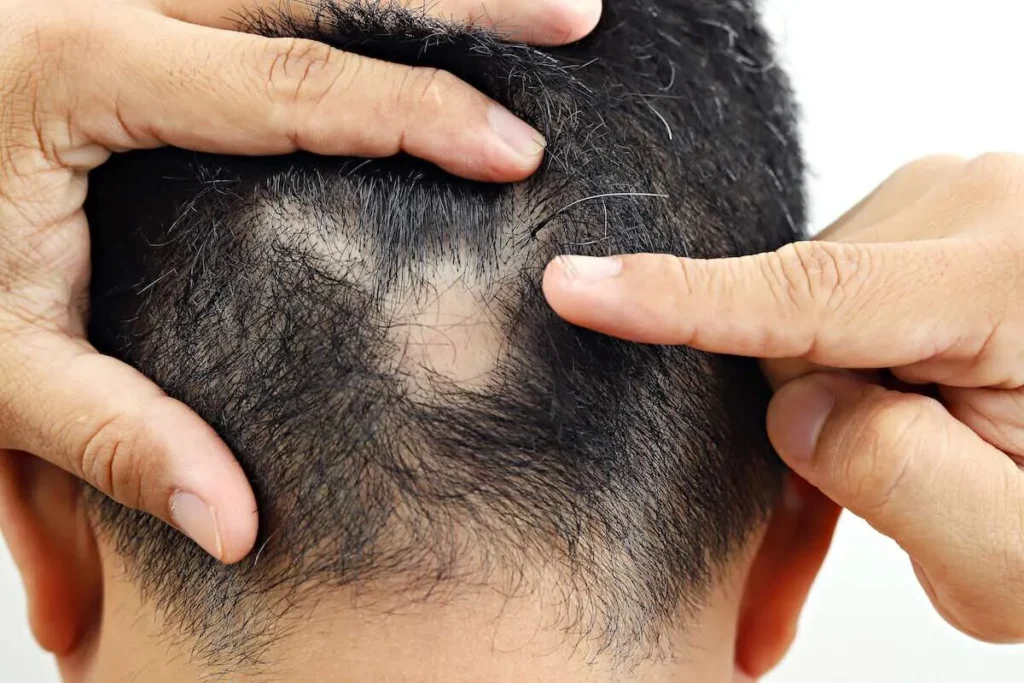
Does Alopecia Go Away? Discover the best proven facts about hair loss recovery and find the right treatment path for your specific condition.
Seeing a tiny bald patch on your head or sudden hair loss can be scary. Wondering if alopecia areata will go away on its own can offer hope. Alopecia areata is a chronic autoimmune disorder that causes non-scarring hair loss. It often shows up as sudden, patchy bald spots on the scalp.
GoldCity Center, a top healthcare organization, provides caring, evidence-based treatments for this condition. While many cases of patchy alopecia areata see hair grow back within a year, it can come back. This is because the condition is unpredictable.
Key Takeaways
Alopecia areata is a chronic condition that can cause sudden hair loss.
Spontaneous hair regrowth is possible within a year.
Relapses are common, making ongoing care essential.
Evidence-based treatments can help manage the condition.
Consulting a healthcare professional is key for personalized advice.
Understanding Alopecia: Types and Causes

Alopecia is not just one condition but several types with different causes. It’s important to know about these to understand and manage it better.
What is Alopecia Areata?
Alopecia areata is an autoimmune disease. It happens when the body’s immune system attacks hair follicles. This leads to hair loss. It can happen to anyone, and how bad it is can vary a lot.
Studies show that about thirty-four to fifty percent of people with patchy hair loss get better on their own within a year.
Different Forms of Alopecia
Alopecia comes in several forms, including:
Alopecia Areata: This is patchy hair loss, often in round shapes.
Telogen Effluvium: It causes a lot of hair to fall out, usually after stress or some medicines.
Androgenic Alopecia: Also known as male/female pattern baldness, it’s a genetic condition that makes hair thin over time.
For more information on the different types of alopecia, visit Types of Alopecia.
Underlying Causes and Triggers
The exact cause of alopecia areata is not fully known. It’s thought to be a mix of genetics and environmental factors. Stress and some medical conditions can start alopecia. Knowing what can cause alopecia is key to managing it well.
Some things that can lead to alopecia include:
Genetic predisposition
Autoimmune disorders
Stress
Certain medications
Alopecia can affect anyone, no matter their age or gender. It can have a big impact. By understanding the causes and types of alopecia, people can find better ways to deal with it and get the right treatment.
Does Alopecia Go Away? Recovery Patterns and Statistics
Alopecia areata is unpredictable, making it key to look into its recovery patterns and stats. It affects people differently, with some seeing hair grow back on its own. Others might face hair loss again and again.
Spontaneous Recovery Rates
Research shows many people with alopecia areata see their hair grow back. Up to 80% of those with small hair loss patches can recover in a year. But, how long it takes to recover can vary a lot.
Knowing how often people recover is important. Most recoveries happen within six to twelve months after symptoms start.
Factors Affecting Recovery
Several things can change how likely someone is to recover from alopecia areata. These include how much hair is lost, if they have other autoimmune diseases, and their overall health.
Key Factors Affecting Recovery:
Extent of hair loss
Presence of other autoimmune diseases
Family history of alopecia areata
Age of onset
Knowing these factors can help people understand their recovery better. It can also guide their treatment choices.
Recurrence and Relapse Patterns
Alopecia areata can come back, with many people having multiple episodes. The time it takes to relapse again is about seven months on average.
The table below shows important stats on recovery and recurrence in alopecia areata:
Understanding alopecia areata’s recovery patterns and stats helps people manage their condition better. It aids in making informed decisions about their care.
Conclusion: Managing Alopecia and Improving Outcomes
Understanding alopecia areata is key to managing it well. Seeing a sudden bald patch or a small spot can be scary. But, there are many ways to help hair grow back.
There are treatments like corticosteroid injections, immunotherapy, and topical minoxidil. These can help manage alopecia areata. Even though there’s no cure, these treatments can make a big difference for those losing hair.
Exploring these options and staying positive is important. Whether alopecia can go away depends on treatment success and how well you respond. It’s all about finding what works best for you.
Building confidence through knowledge and self-care is essential. Knowing about alopecia and its treatments helps you feel empowered. You can shine and embrace your beauty, even with alopecia areata.
FAQ
Does alopecia areata go away on its own?
Sometimes, alopecia areata can clear up without treatment. But, how likely it is to happen varies from person to person.
What are the causes of alopecia?
Alopecia is caused by the body’s immune system attacking hair follicles. It can be triggered by genetics, hormones, and the environment. Stress, poor nutrition, and certain health issues can also play a role.
Can alopecia be temporary?
Yes, some types of alopecia, like telogen effluvium, can be temporary. They might get better once the cause is fixed.
How long does alopecia last?
The length of time alopecia lasts varies. It depends on the type and individual factors. In some cases, it’s a long-term condition that needs ongoing care.
What is the likelihood of hair regrowth after experiencing a bald patch on the head?
Hair regrowth chances after a bald patch vary. It depends on the cause. Some might grow back on their own, while others need treatment to help.
Can stress cause alopecia?
Yes, stress can trigger alopecia areata. Managing stress through relaxation and self-care can help reduce symptoms.
Is hair loss on the legs a common symptom of alopecia?
While alopecia areata usually affects the scalp, it can also cause hair loss on other areas, like the legs. This is less common, though.
Can female hair loss at the back of the head be a sign of alopecia?
Yes, hair loss at the back of the head in women can be a sign of alopecia areata or other hair loss conditions. It’s important to see a healthcare professional for a proper diagnosis.
How can I manage alopecia and promote hair regrowth?
Managing alopecia involves medical treatments, lifestyle changes, and self-care. This includes reducing stress, eating well, and using gentle hair products.
Can tiny bald patches on the head be a sign of alopecia areata?
Yes, tiny bald patches on the head can be an early sign of alopecia areata. It’s important to get medical help if you notice unusual hair loss or scalp changes.
Is hair thinning at the back of the head a common symptom of alopecia in females?
Yes, hair thinning at the back of the head is a common symptom of alopecia in women. It often comes with other signs like excessive shedding or brittle hair.
References
New England Journal of Medicine. Evidence-Based Medical Insight. Retrieved from https://www.nejm.org/doi/full/10.1056/NEJMra1103442

