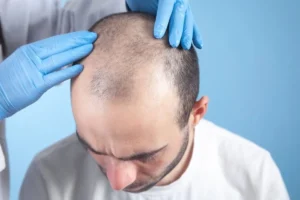
Does Autoimmune Disease Cause Hair Loss? Find the best fix to manage your immune system and restore healthy hair growth with expert tips.
Hair loss is more than a cosmetic concern when it’s caused by an autoimmune disease. Autoimmune diseases happen when the body’s immune system attacks its own tissues. This can lead to different types of alopecia, affecting hair loss.
Conditions like alopecia areata, lupus, and thyroid disorders harm hair follicles. This disrupts the hair growth cycle. At GoldCity Center, experts offer detailed, patient-focused care for autoimmune hair loss. They help people regain their confidence and wellbeing.
Key Takeaways
Autoimmune diseases can cause hair loss by attacking hair follicles.
Alopecia areata is a well-known autoimmune condition leading to hair loss.
Other autoimmune diseases like lupus and thyroid disorders also contribute to hair loss.
Understanding the link between autoimmune diseases and hair loss is key for effective treatment.
GoldCity Center offers specialized care for individuals experiencing autoimmune hair loss.
Understanding How Does Autoimmune Disease Cause Hair Loss

Autoimmune diseases can lead to hair loss, affecting millions globally. These diseases happen when the body’s immune system attacks its own healthy tissues, including hair follicles. This complex interaction between the immune system and hair health is key to understanding hair loss caused by autoimmune diseases.
The Immune System’s Role in Hair Health
The immune system is vital for keeping hair follicles healthy. Normally, it protects us from harmful pathogens. But in autoimmune diseases, it mistakenly attacks hair follicles, causing inflammation and damage. Cutting-edge research reveals the immune system’s role in hair health is more complex than we thought, involving detailed pathways disrupted by autoimmune responses.
Mechanisms of Autoimmune Hair Loss
Autoimmune hair loss happens through inflammation and direct damage to hair follicles. In diseases like alopecia areata, the immune system attacks hair follicles, slowing or stopping hair growth. Knowing these mechanisms is key to finding effective treatments that address the condition’s root cause.
Understanding how autoimmune diseases affect hair health and the mechanisms behind hair loss helps us find better treatments. Next-gen beauty tech and new therapies are leading the way in managing autoimmune hair loss. They offer hope to those dealing with this issue.
Major Autoimmune Diseases Associated with Hair Loss
Hair loss can be a distressing symptom of various autoimmune diseases. These conditions happen when the body’s immune system attacks its own cells. This can lead to significant hair loss, affecting a person’s self-esteem and well-being.
Alopecia Areata: The Primary Culprit
Alopecia areata is a well-known autoimmune condition that causes hair loss. It leads to patchy hair loss on the scalp, face, and body. The condition occurs when the immune system attacks the hair follicles, causing them to fall out. Treatment options for alopecia areata include medications that suppress the immune system and stimulate hair growth.
Lupus and Its Dual Impact on Hair
Lupus is an autoimmune disease that can affect multiple organs, including the skin. It can cause both scarring and non-scarring alopecia. The scarring type results in permanent hair loss, while the non-scarring type may allow for hair regrowth. Managing lupus-related hair loss involves treating the underlying condition and addressing the specific hair loss symptoms.
Thyroid Disorders: Hashimoto’s and Graves Disease
Thyroid disorders, such as Hashimoto’s thyroiditis and Graves’ disease, are autoimmune conditions that affect the thyroid gland. These conditions can lead to diffuse hair thinning due to hormonal imbalances. Treating the thyroid disorder is key to managing the associated hair loss.
Less Common Triggers: Rheumatoid Arthritis, Psoriasis, and Sjogren’s Syndrome
Other autoimmune diseases like rheumatoid arthritis, psoriasis, and Sjogren’s syndrome can also contribute to hair loss. While these conditions have different primary symptoms, they can all potentially affect hair health. Understanding the specific condition and its impact on hair is essential for effective management.
Diagnosis and Recognizing Symptoms of Autoimmune Hair Loss
It’s important to know the signs of autoimmune hair loss to get the right treatment. This type of hair loss, or alopecia, can show up in many ways. So, it’s key to understand its different patterns and symptoms.
Scarring vs. Non-Scarring Alopecia Patterns
Autoimmune hair loss falls into two types: scarring and non-scarring alopecia. Scarring alopecia causes permanent damage to hair follicles, leading to permanent hair loss. On the other hand, non-scarring alopecia might allow hair to grow back because the follicles are not damaged.
Common Manifestations: Diffuse, Patchy, and Localized Hair Loss
Autoimmune hair loss can show up in different ways, including:
Diffuse thinning: Hair becomes thinner all over the scalp.
Patchy hair loss: Hair loss happens in round patches.
Localized bald spots: Hair loss is limited to certain spots.
These types of hair loss can be linked to diseases like alopecia areata, lupus, and thyroid issues.
Medical Tests and Evaluation Process
To diagnose autoimmune hair loss, doctors do a thorough check. This includes looking at your medical history, doing a physical exam, and running tests. Tests often include:
Blood tests to find out if you have autoimmune antibodies and check your thyroid.
Skin biopsies to look at your scalp and hair follicles.
Pull tests to see how easy it is for hair to fall out.
Understanding why you’re losing hair helps doctors create a good treatment plan for you.
Treatment Options and Management Strategies
Managing autoimmune hair loss requires a mix of medical treatments, lifestyle changes, and supportive therapies. It’s important to understand the specific disease causing hair loss. Then, tailor the treatment plan to fit the individual’s needs.
Condition-Specific Medical Treatments
For alopecia areata, treatments aim to reduce inflammation and encourage hair growth. Common treatments include:
Corticosteroids: Given through injection, topical application, or pills to fight inflammation.
Immunotherapy: Agents that change how the immune system reacts to reduce hair loss.
Minoxidil: A topical treatment that helps hair grow back.
For diseases like lupus, thyroid issues, or rheumatoid arthritis, treatments focus on managing the disease. This helps lessen its impact on hair health.
Supportive Therapies and Lifestyle Approaches
Supportive therapies and lifestyle changes are key in managing autoimmune hair loss. These include:
Stress Management: Techniques like meditation, yoga, or therapy to reduce stress, a known exacerbator of autoimmune conditions.
Gentle Hair Care: Using mild shampoos, avoiding excessive heat styling, and being gentle when combing or brushing to minimize hair breakage.
Nutritional Support: Ensuring a diet rich in vitamins and minerals that support hair health, such as iron, zinc, and biotin.
By combining medical treatments with supportive therapies and lifestyle changes, individuals can better manage autoimmune hair loss. This approach promotes hair health and overall well-being.
Adopting a natural luxury approach to hair care can also support hair health. This strategy addresses the physical aspects of hair loss. It empowers individuals to take control of their condition, fostering confidence and well-being.
Conclusion
Understanding the link between autoimmune diseases and hair loss is key. Autoimmune diseases can lead to significant hair loss. But, there are many treatment options available to manage these conditions.
By recognizing the underlying causes and symptoms of autoimmune hair loss, people can find the right treatments. This journey to hair health involves a complete approach. It includes specific medical treatments and supportive therapies.
Does autoimmune disease cause hair loss? Yes, it can. But, with the right approach, managing autoimmune hair loss is possible. A tailored treatment plan is needed for each condition to promote overall well-being.
As individuals work towards better hair health, they can achieve a radiant glow and timeless beauty. By embracing beauty that evolves with us, we empower people to take charge of their hair health. This way, they can find effective solutions.
FAQ
What autoimmune diseases cause hair loss?
Several autoimmune diseases can lead to hair loss. These include alopecia areata, lupus, and thyroid disorders like Hashimoto’s and Graves’ disease. Less common causes are rheumatoid arthritis, psoriasis, and Sjogren’s syndrome.
How does an autoimmune disease cause hair loss?
Autoimmune diseases attack healthy tissues, including hair follicles. This leads to inflammation and damage. It can cause patchy hair loss, thinning, and bald spots.
Can autoimmune disease cause permanent hair loss?
Yes, some autoimmune diseases can lead to permanent hair loss. This is more likely with scarring alopecia. But, many cases are non-scarring, and hair can grow back with treatment.
What are the symptoms of autoimmune hair loss?
Symptoms include patchy hair loss, thinning, and bald spots. You might also see inflammation, redness, and itching on your scalp.
How is autoimmune hair loss diagnosed?
Diagnosing it involves a detailed evaluation. This includes looking at your medical history, doing a physical exam, and running lab tests. A scalp biopsy might be needed to find the cause.
What treatment options are available for autoimmune hair loss?
Treatment depends on the disease. It might include corticosteroids or immunotherapy. Gentle hair care and stress management are also important.
Can lifestyle changes help manage autoimmune hair loss?
Yes, making lifestyle changes can help. Stress management, gentle hair care, and a balanced diet support hair health. They can also reduce hair loss risk.
Are there any natural remedies for autoimmune hair loss?
There are no surefire natural remedies. But, using gentle shampoos and avoiding heat styling might help. Always talk to a healthcare professional before trying new treatments.
References
National Center for Biotechnology Information. Evidence-Based Medical Insight. Retrieved from https://www.ncbi.nlm.nih.gov/pmc/articles/PMC10015649/