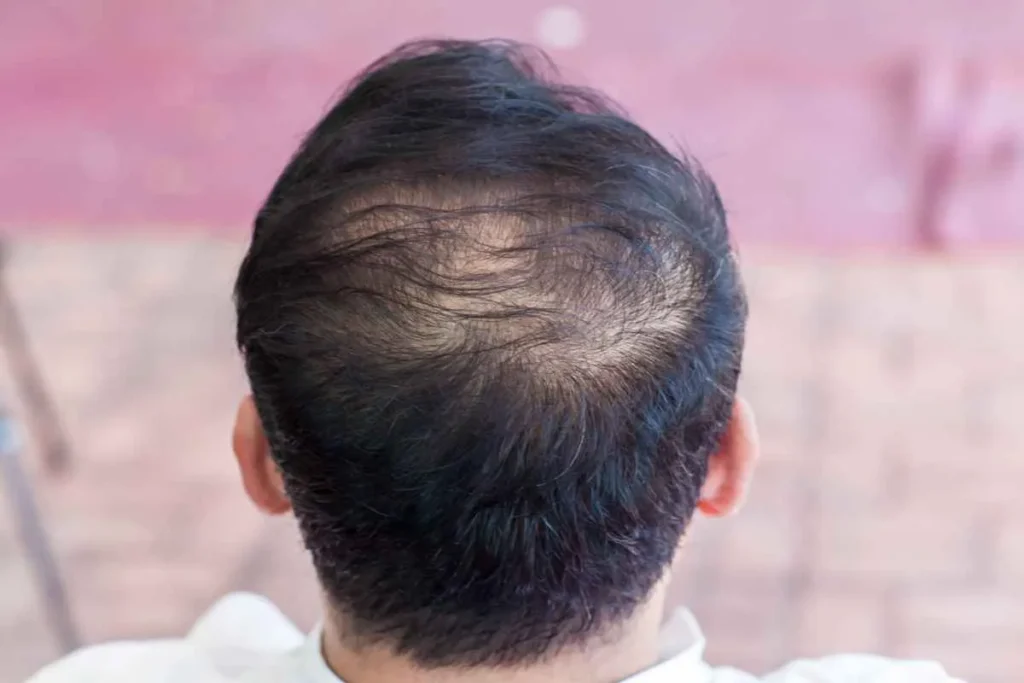
Does Diet Affect Hair Loss? See the best results by changing your nutrition and feeding your hair the vitamins it needs for massive growth.
Is your hair thinning despite your best grooming efforts? The answer might be on your plate. Recent research shows that nutrition greatly affects hair health. It finds that certain nutritional gaps can lead to hair shedding.
At GoldCity Center, we focus on the nutrition-hair connection. We guide you on how dietary changes can stop baldness and make your hair thicker and healthier. Hair follicles are very active, making them sensitive to what we eat.
Key Takeaways
Nutritional deficiencies can trigger hair shedding.
Certain foods promote thicker, healthier hair.
A well-balanced diet is key for healthy hair.
GoldCity Center’s approach focuses on the nutrition-hair connection.
Strategic dietary changes can help prevent baldness.
The Science Behind Diet and Hair Health

Understanding how diet affects hair health is key to nourishing your hair from the inside out. The link between nutrition and hair growth is complex. It involves many physiological processes that can be influenced by what we eat.
Hair Follicles: Metabolically Active Tissues
Hair follicles are not just passive structures; they are metabolically active tissues that need nutrients to work right. The hair growth cycle, with its growth, transition, and rest phases, is sensitive to diet. A diet lacking essential nutrients can cause hair loss or thinning.
The hair follicle’s metabolic activity relies on a rich network of blood vessels. These vessels supply oxygen and nutrients. This is key for producing new hair cells. Adequate nutrition is essential for keeping these cells healthy.
Research Evidence on Nutrition and Hair Growth
Research shows certain nutrients are vital for hair health. For example, vitamin D and iron are key for hair growth. A study of 17 studies with over 61,000 participants found vitamin D and iron levels were linked to less hair loss and more hair growth.
Vitamin D: Important for creating new hair follicles, vitamin D deficiency has been linked to alopecia.
Iron: Essential for the production of hemoglobin, which carries oxygen to cells, including hair follicles. Iron deficiency is a known cause of hair loss.
Protein: Critical for hair structure, inadequate protein intake can lead to hair loss.
Other nutrients like omega-3 fatty acids, zinc, and biotin also help hair health. They nourish the scalp and create a healthy environment for hair growth.
Knowing how diet affects hair health helps people make better nutrition choices. This can help prevent hair loss and promote healthier, more resilient hair.
Does Diet Affect Hair Loss? Research Findings
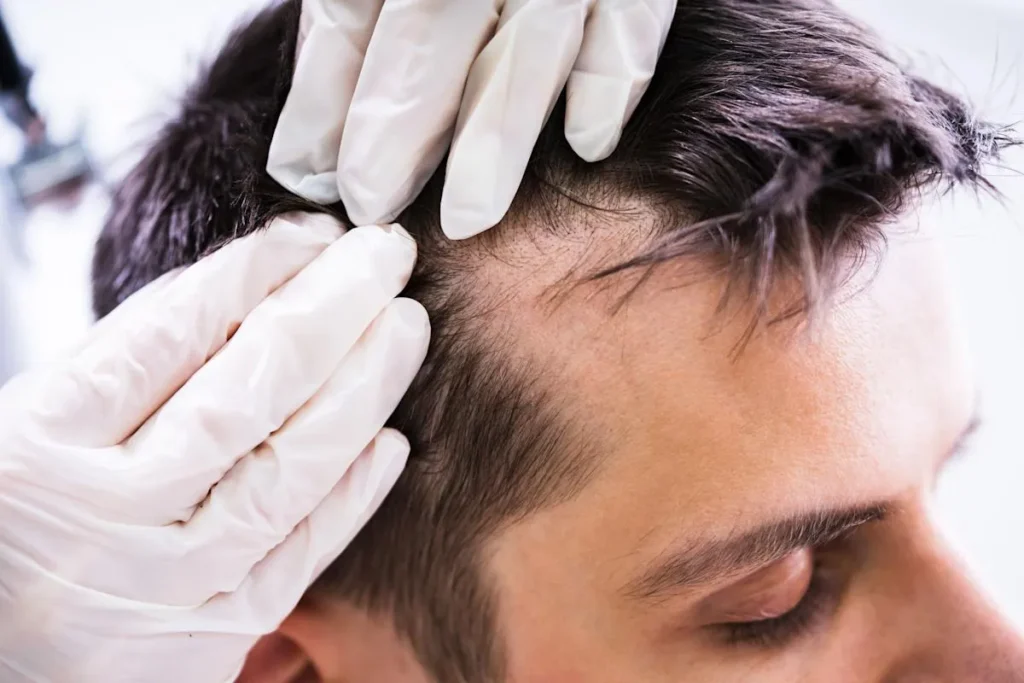
Research shows a strong link between diet and hair loss. Certain nutritional deficiencies play a big role. A balanced diet is key for healthy hair growth. Lack of important vitamins and minerals can cause hair loss.
Vitamin and Mineral Deficiencies
Vitamin and mineral deficiencies lead to hair loss. Vitamin D deficiency is linked to alopecia areata, an autoimmune disease causing hair loss. A study on Healthline found vitamin D is vital for hair follicle health.
Iron, zinc, and biotin are also key for hair health. Not having enough of these can cause hair loss, brittle hair, or slow growth.
Protein Malnutrition and Telogen Effluvium
Protein malnutrition can also lead to hair loss. Telogen effluvium is a condition with excessive hair shedding. It’s often caused by rapid weight loss or restrictive diets.
A diet lacking enough protein can cause hair loss. It’s important to get enough protein for healthy hair growth.
In conclusion, a balanced diet with essential vitamins and minerals is vital for healthy hair. Lack of vitamin D, iron, zinc, and biotin can lead to hair loss. Protein malnutrition and conditions like telogen effluvium also affect hair health.
Dietary Patterns That Impact Hair Loss
Diet is key to hair health. Some diets can make hair loss worse. The food we eat can either help or harm our hair, based on its nutritional value.
Harmful Dietary Habits
Diets full of processed foods and sugars harm hair. These foods often lack important nutrients. They also have AGE products that cause inflammation and stress, leading to hair loss.
Common Harmful Dietary Habits:
Drinking too much sugary drinks and eating sugary foods
Eating processed meats and foods with lots of saturated fats
Not getting enough essential fatty acids and vitamins
A study in the Journal of Clinical and Aesthetic Dermatology found that diets with lots of sugar and refined carbs cause inflammation. This inflammation is linked to hair loss.
Nutrition and Hair Health Expert
Beneficial Dietary Patterns
On the other hand, some diets are good for hair. The Mediterranean diet is one example. It’s full of antioxidants, omega-3 fatty acids, and vitamins. It includes whole grains, fruits, vegetables, and healthy fats, which help reduce inflammation and promote hair growth.
Eating a balanced diet rich in essential nutrients can help prevent hair loss. It promotes healthier hair. By choosing the right foods, we can keep our hair healthy.
Conclusion: Optimizing Your Diet for Healthier Hair
A well-balanced diet is key for healthy hair growth and preventing loss. Understanding how nutrition affects hair health is the first step. This leads to a radiant glow and timeless beauty.
Eating foods rich in protein, iron, biotin, and vitamins A, C, D, and E helps. It prevents hair loss due to malnourishment. A healthy diet can make your hair vibrant and healthy.
To shine from within and own your beauty, focus on hair growth nutrition. Making smart food choices can elevate your beauty routine. A healthy diet is more than preventing hair loss; it’s about overall wellness and beauty.
Adopting a balanced diet and avoiding bad eating habits promotes hair growth. It also lowers hair loss risk. Start your journey to healthier hair today and see the power of a well-nourished body.
FAQ
Can a poor diet really cause hair loss?
Yes, a diet lacking essential nutrients can cause hair loss. Not getting enough iron, zinc, or biotin can slow down hair growth and lead to more shedding.
What are the most important nutrients for healthy hair?
Eating a balanced diet is key for healthy hair. It should include vitamins and minerals like iron, zinc, biotin, and vitamin D. Protein is also important because it helps hair grow.
How does malnutrition affect hair health?
Malnutrition can cause hair loss because it lacks important nutrients. This can lead to conditions like telogen effluvium, where you shed a lot of hair.
Are there specific dietary patterns that can help promote hair growth?
Yes, eating foods like fruits, vegetables, whole grains, and lean proteins can help your hair. Foods rich in omega-3s, like salmon, and antioxidants, like berries, also support hair growth.
Can a diet high in processed foods and sugar contribute to hair loss?
Yes, eating too much processed food and sugar can harm your hair. It can cause inflammation and stress, leading to hair loss.
How long does it take to see the effects of dietary changes on hair health?
Seeing the effects of diet changes on hair can take months. Hair grows slowly, so be patient and consistent with your diet changes.
Are there any specific foods that can help prevent hair loss?
Foods like berries and leafy greens, which are rich in antioxidants, can help your hair. Omega-3s in foods like salmon, zinc in oysters, and biotin in eggs also support hair growth.
Can dietary changes alone stop hair loss?
Dietary changes can help your hair, but they might not stop hair loss alone. Genetics and hormonal imbalances can also play a role, so you might need more than just diet changes.
References
National Center for Biotechnology Information. Evidence-Based Medical Insight. Retrieved from https://pubmed.ncbi.nlm.nih.gov/12190640/