Men thinking about treating male pattern baldness often worry about finasteride causing more hair loss. It’s normal to feel worried when you start shedding hair, even if it’s just at the beginning of treatment.
But, it’s key to know that initial shedding is just a temporary thing. This usually means the medicine is working well. It’s making hair follicles grow hair better. Finasteride is proven to stop and even reverse hair loss in some men.
Learning how finasteride treatment and hair shedding are connected helps people make better choices. This knowledge lets them keep up with their treatment. And they can see the results they want.
Key Takeaways
Finasteride is a clinically proven treatment for male pattern baldness.
Initial shedding is a temporary side effect that may occur in the first few months.
This shedding is a sign that the medication is working to promote healthier hair growth.
Finasteride can help stop and even reverse hair loss in some individuals.
Understanding the treatment’s effects can help individuals stay committed to their treatment plan.
Understanding Finasteride and Its Purpose
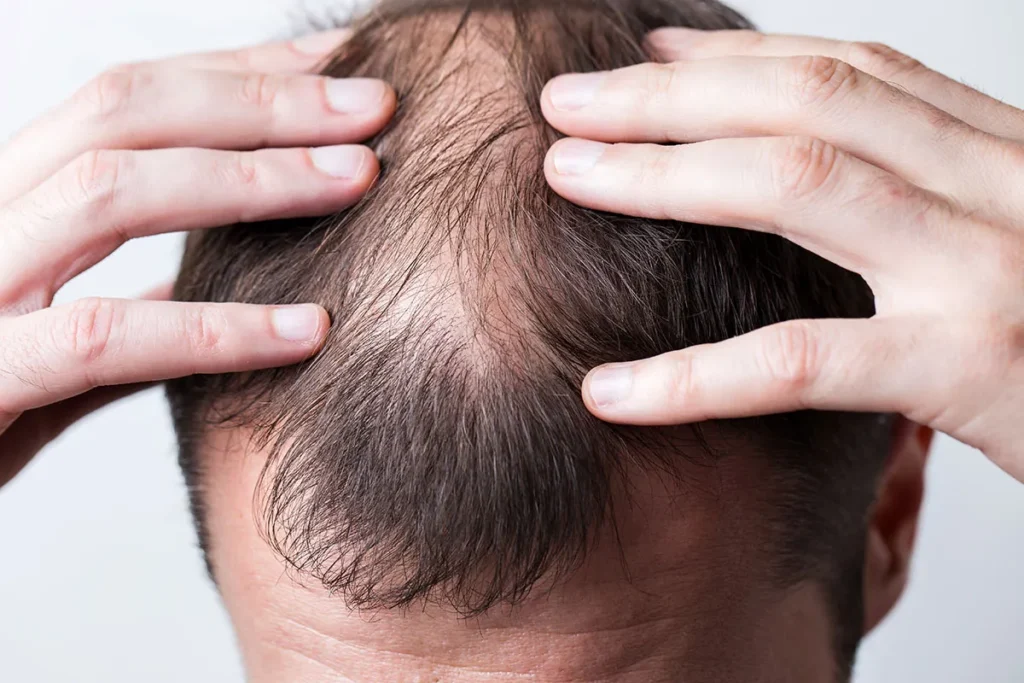
Learning how finasteride works is key for those thinking about it for hair loss. Finasteride is a drug studied and used for male pattern baldness, also known as androgenetic alopecia.
What Is Finasteride?
Finasteride is a pill used for benign prostatic hyperplasia (BPH) and male pattern hair loss. It’s sold under Propecia for hair loss and Proscar for BPH. The Medical organization says it stops testosterone from turning into dihydrotestosterone (DHT), a hormone that causes hair loss.
How Finasteride Works Against DHT
DHT is a strong form of testosterone that shrinks hair follicles, causing hair to thin and fall out. Finasteride cuts DHT levels by over 70 percent. This lets hair follicles move from a resting phase to an active growth phase.
Finasteride’s effect on DHT is big. It blocks the enzyme 5-alpha-reductase, stopping DHT production. This slows hair loss and can even cause hair to grow back.
It’s important to know that finasteride might cause initial shedding in some users. This is talked about more in the next sections.
Does Finasteride Cause Hair Loss?
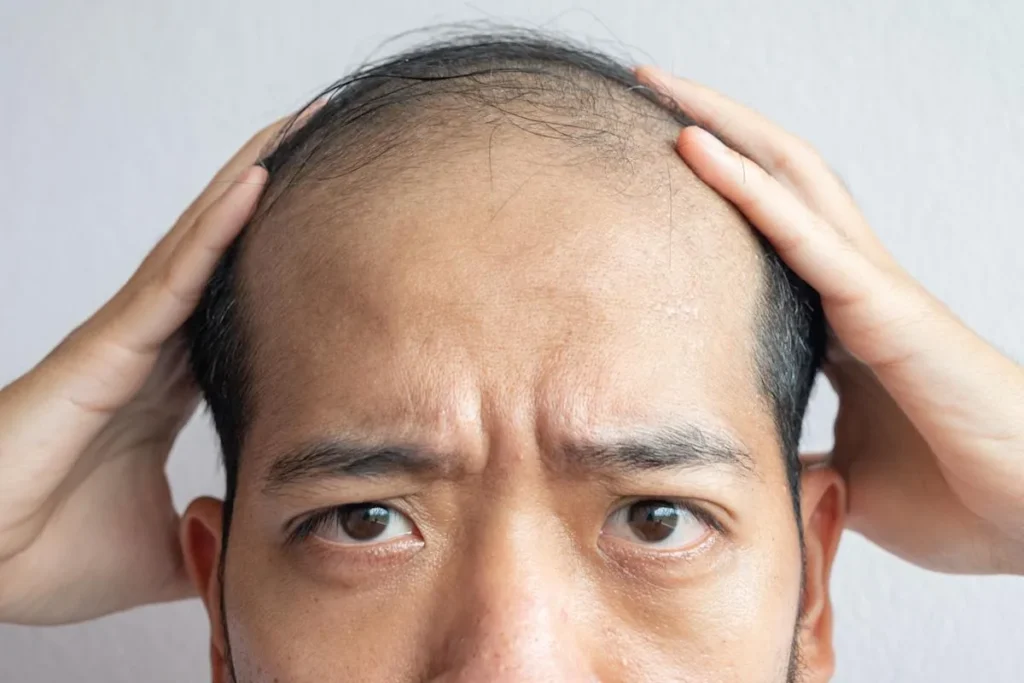
The link between finasteride and hair loss is complex. Some people see an initial shedding phase. This can be scary, but it’s usually just a short-term issue.
The Initial Shedding Phenomenon
Starting finasteride can lead to more hair shedding. This is called the “shedding phase.” It shows the drug is working, pushing out weak hairs for new, stronger ones.
“The shedding phase is a normal part of the hair growth cycle when taking finasteride,” says a leading dermatologist. “It’s a temporary adjustment period that many users experience.”
Why Temporary Shedding Occurs
Temporary shedding happens because finasteride blocks DHT, a hormone that causes hair loss. With less DHT, the hair growth cycle changes, leading to more shedding. This shows the body is reacting to the treatment.
This shedding isn’t a sign of failure. It’s like a ‘reset’ of the hair follicles, getting them ready for better growth.
Timeline: When Shedding Starts and How Long It Lasts
The shedding phase usually starts within the first 1-3 months of using finasteride. It peaks between the second and third months. Then, it slowly goes away as the hair growth cycle adjusts.
Shedding starts: 1-3 months after beginning finasteride
Peaks: Second to third month
Subsides: As the body adjusts to the medication
Knowing this timeline helps manage expectations and eases worries about shedding. It’s a short step towards thicker, healthier hair.
As one expert notes, “The initial shedding phase is a transformative period. It’s a sign that the body is responding to finasteride, and with patience, users can look forward to a ‘luxury transformation’ in their hair growth.”
Clinical Evidence and Long-Term Results
Finasteride’s role in treating hair loss is backed by strong clinical evidence. Studies show it improves scalp hair at 1 and 2 years.
Research on Finasteride’s Effectiveness
Many studies have looked into finasteride’s effectiveness against male pattern baldness. After a year, most users see their hair loss slow down and start to regrow. It not only slows hair loss but also helps hair grow thicker.
Finasteride works by blocking DHT, a hormone that causes hair loss. This makes the scalp a better place for hair to grow.
How to Tell If Finasteride Is Working
To see if finasteride is working, look for signs like less shedding and thicker hair. Be patient, as it may take months to see the full effects. Most people start to notice improvements in 3-6 months.
Tracking your progress with photos and counting your hair loss can help. If you’re unsure, talking to a doctor can offer personalized advice.
What to Expect After the Shedding Phase
After the initial shedding, most people see their hair loss stabilize and then start to grow back. By 6 months, many notice their hair is thicker and they shed less. Keep taking finasteride as directed to keep these benefits.
Long-term use of finasteride keeps hair growing and reduces loss. Stick to your treatment plan to get the most out of it.
Conclusion
Finasteride is a proven solution for hair loss. It’s important to understand its effects for those wanting to restore their hair’s natural density. At first, you might see hair shedding, but this is just a temporary phase.
This shedding is a sign that the treatment is working. It means the medication is helping hair follicles grow again. Over time, you’ll see thicker, healthier hair.
The length of time you’ll see shedding varies. But usually, it goes away within a few months. Knowing how long shedding lasts helps you understand your treatment better.
Finasteride aims to not just stop hair loss but to make your hair fuller and more vibrant. By using this treatment, you can unlock your hair’s full beauty. This leads to a more confident and vibrant life.
FAQ
Does finasteride cause hair loss?
Finasteride does not lead to permanent hair loss. Some people might see hair falling out at first. But this is just a short phase before their hair starts growing back healthier.
What is finasteride shedding?
Finasteride shedding is when some people lose hair when they start taking the drug. It’s a short-term issue as the body gets used to the treatment.
How long does finasteride shedding last?
The shedding phase usually lasts a few months. It often stops within 6 months of starting the treatment.
When does finasteride shedding start?
Finasteride shedding can start a few weeks to a few months after starting treatment.
How do I know if finasteride is working?
To see if finasteride is working, watch your hair loss and look for new hair growth. Studies show it’s good for treating male pattern baldness.
Can I stil lose hair while taking finasteride?
Yes, even though finasteride helps reduce hair loss, some people might lose hair, mainly at the start.
Is finasteride effective for hair thinning?
Yes, finasteride is proven to work for hair thinning in men with male pattern baldness.
Does topical finasteride cause shedding?
Like oral finasteride, topical finasteride might cause hair loss at first. But this is usually just a short-term issue.
How long does it take to see results from finasteride?
Seeing results from finasteride can take several months to a year or more. It depends on how your hair responds to the treatment.
References
National Center for Biotechnology Information. Evidence-Based Medical Insight. Retrieved from https://pubmed.ncbi.nlm.nih.gov/9777765/