
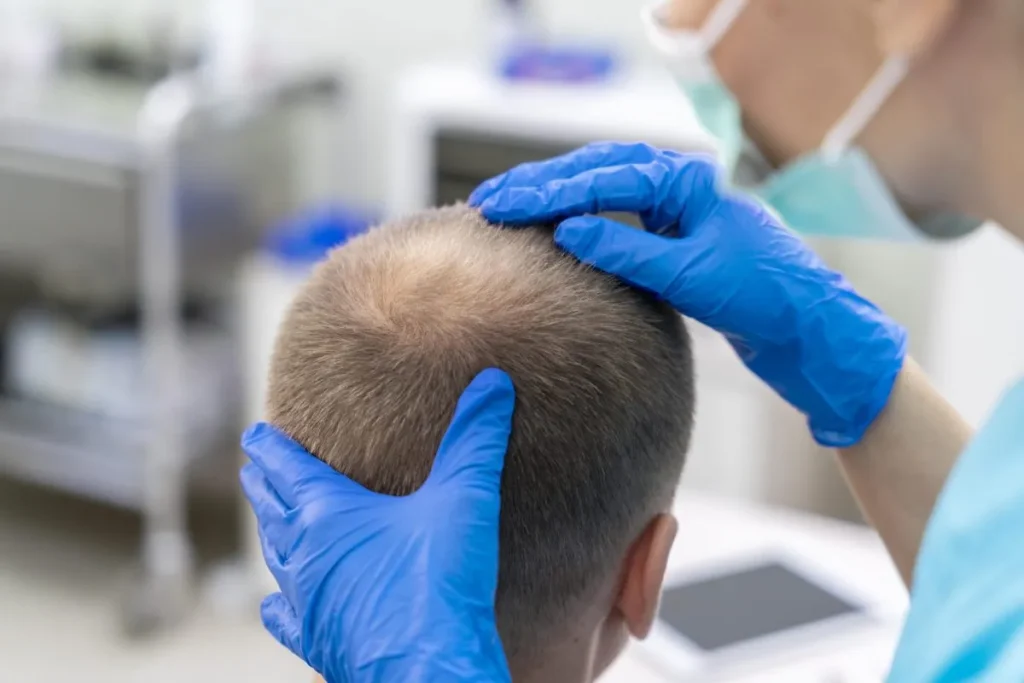
For those thinking about hair restoration surgery, scarring worries are big. But, thanks to new surgical methods, the chance of seeing scars is much lower.
Older ways of doing hair transplants left big scars. Now, with Follicular Unit Extraction (FUE) procedures, scars in the donor area are almost invisible. This change makes hair transplants more attractive for those wanting to fix their hairline without scars.
At places like GoldCity Center, skilled surgeons use the latest methods. They aim for natural-looking results with little scarring. Knowing about hair transplant techniques and how they affect scarring is key for a good choice.
Key Takeaways
Modern FUE procedures minimize the risk of noticeable scarring.
The technique used and the surgeon’s expertise play a significant role in determining the visibility of scars.
Experienced surgeons can deliver natural-looking results with minimal scarring.
Hair transplants can produce life-changing results with proper care and technique.
Understanding the techniques used is critical for making an informed decision.
Understanding Hair Transplant Techniques
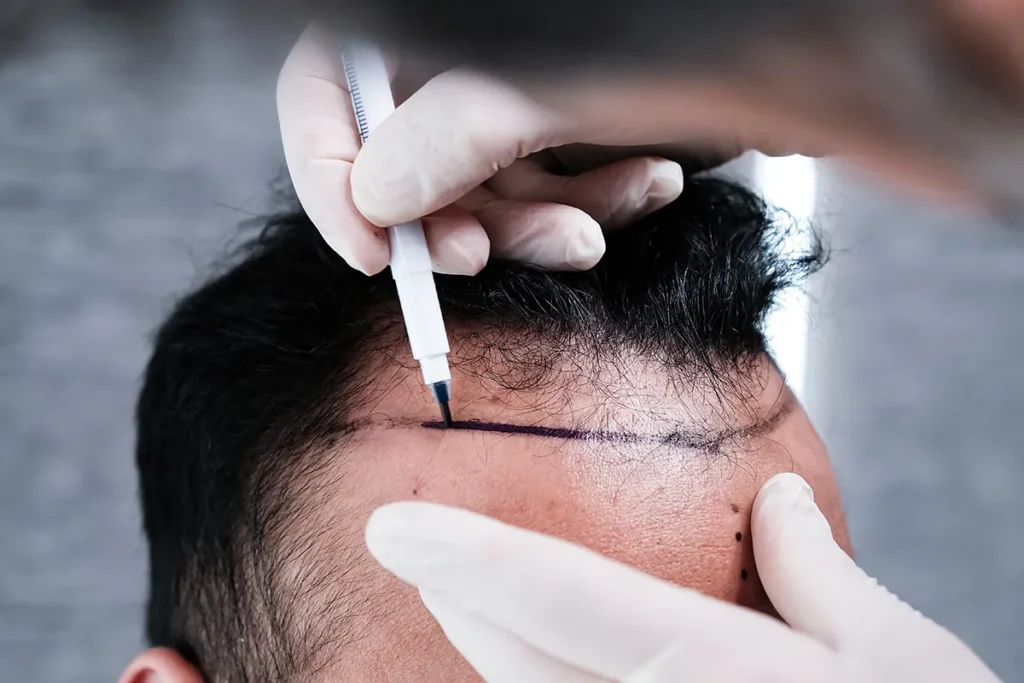
It’s important to know about hair transplant methods to get the best results. There are two main techniques: Follicular Unit Extraction (FUE) and Follicular Unit Transplantation (FUT).
Follicular Unit Extraction (FUE) Method
The FUE method uses a small tool to take out individual hair follicles. This leaves small, round scars. It’s known for being less invasive and can use hair from different scalp areas for a natural look. The FUE transplant scarring is usually small and not very noticeable, making it a favorite among patients.
Follicular Unit Transplantation (FUT) Method
The FUT method takes a strip of scalp from the back and sides, causing a long scar. Though it worries some, it lets for more grafts in one go. The fut method is picked for its speed and ability to cover hair densely.
For more info on FUE hair transplant and scarring, check out this link.
Both methods have their good and bad sides. The right choice depends on personal preferences, hair loss, and the doctor’s advice. Important things to think about include:
The amount of hair loss and grafts needed
The look of the hairline and density wanted
Personal lifestyle and views on scarring
Understanding these points and the traits of each method helps patients make smart choices for their hair restoration.
Does Hair Transplant Leave Scars? Comparing Techniques
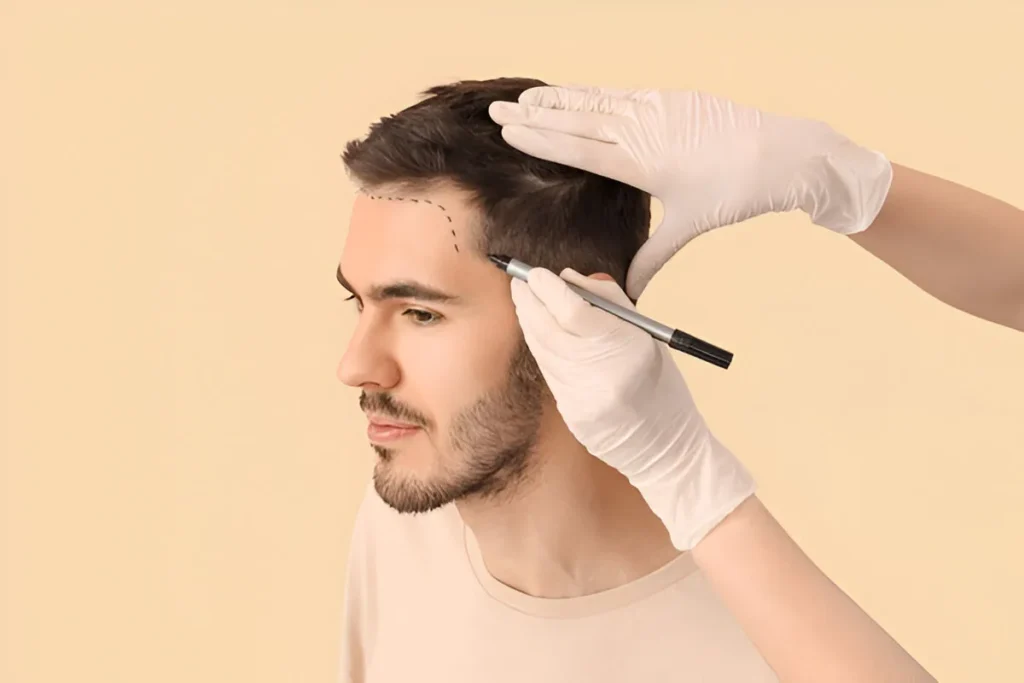
When you think about hair transplants, knowing about scarring is key. The field of hair restoration has grown, with new methods to reduce scarring.
Minimal Scarring with FUE
The Follicular Unit Extraction (FUE) method is famous for its small scars. It takes out individual hair follicles from the donor area, leaving tiny scars that are hard to see.
FUE scarring is less noticeable because of the precise way it’s done. Studies show that FUE causes minimal and discrete scarring. This makes it a top choice for many.
FUT Scarring: The Linear Scar Consideration
Follicular Unit Transplantation (FUT) removes a strip of skin from the donor area. This can lead to a linear scar. The scar’s visibility depends on the surgeon’s skill and how well you heal.
FUT scars are often more visible than FUE scars. But, good wound closure can make them less obvious. It’s important to talk to your surgeon about FUT scarring to understand its impact on your hair restoration.
Visibility With Different Hairstyles
Scars from hair transplants can be hidden by your hairstyle. For example, FUE scars are less seen with short hair. But, FUT scars are more noticeable.
On the other hand, longer hair can cover scars from both methods. Knowing how your hairstyle affects scar visibility is key to making a good choice.
Latest Research on Transplant Scarring (2024-2025)
Research from 2024-2025 has given us new insights on hair transplant scarring. It shows that FUE technology has made scars even less noticeable. Scar revision techniques for FUT also show promise.
The choice between FUE and FUT depends on what you want and need. Knowing about the scarring each method causes helps you make a choice that fits your goals.
Conclusion: Making an Informed Decision
Choosing the right hair transplant technique is key for natural results and less scarring. Knowing the differences between FUE and FUT helps make the right choice. FUE causes small dot-like scars, while FUT can lead to a straight line scar. Trichophytic closure can make FUT scars less noticeable.
It’s vital to pick a qualified surgeon for the best results. They should have experience in hair transplant scar treatment. Good aftercare can also help avoid big scars. For those worried about scars, scalp micropigmentation is a non-surgical fix.
With modern techniques and expert care, scarring risks drop. Making a smart choice and picking a skilled surgeon leads to a natural look. This way, you can confidently address hair transplant scar issues.
FAQ
Does hair transplant leave scars?
Yes, hair transplants can leave scars. The extent and visibility of these scars depend on the technique used. FUE usually results in small and scattered scars. FUT can leave a more noticeable linear scar.
What is the difference between FUE and FUT scarring?
FUE scarring is often small and spread out, making it less noticeable, even with short hair. FUT scarring, on the other hand, results in a linear scar. This can be more visible, mainly if you have short hair.
Can I see scars from hair transplant with different hairstyles?
Scars from hair transplants can change with hairstyles. FUE scars are usually not seen, even with short hair. FUT scars may be visible with very short hair. But, they can be hidden with longer hair or styled to reduce their appearance.
How can I minimize scarring from hair transplants?
To reduce scarring, choose a skilled and experienced surgeon. They should use the latest techniques and follow proper care after surgery. Also, picking the right technique for your hair type and needs can help hide scars better.
Does hair grow over scars from hair transplants?
Hair can grow over scars from hair transplants, often with FUE. The scars are small and scattered. But, how well hair covers scars depends on your healing and the transplant method.
What are the latest findings on hair transplant scarring?
New research (2024-2025) shows ways to lessen scarring from hair transplants. There are better FUE and FUT techniques and new tech to help healing and hide scars better.
Can hair transplant scars be treated or removed?
Yes, hair transplant scars can be treated or made less noticeable. Treatments like laser therapy, microneedling, and scar revision surgery can help. Talking to a skilled surgeon or dermatologist can help find the best option for you.
Are there any new techniques to reduce hair transplant scarring?
Yes, new techniques and tech are being developed to lessen scarring. This includes improved FUE methods and better ways to close wounds in FUT.





